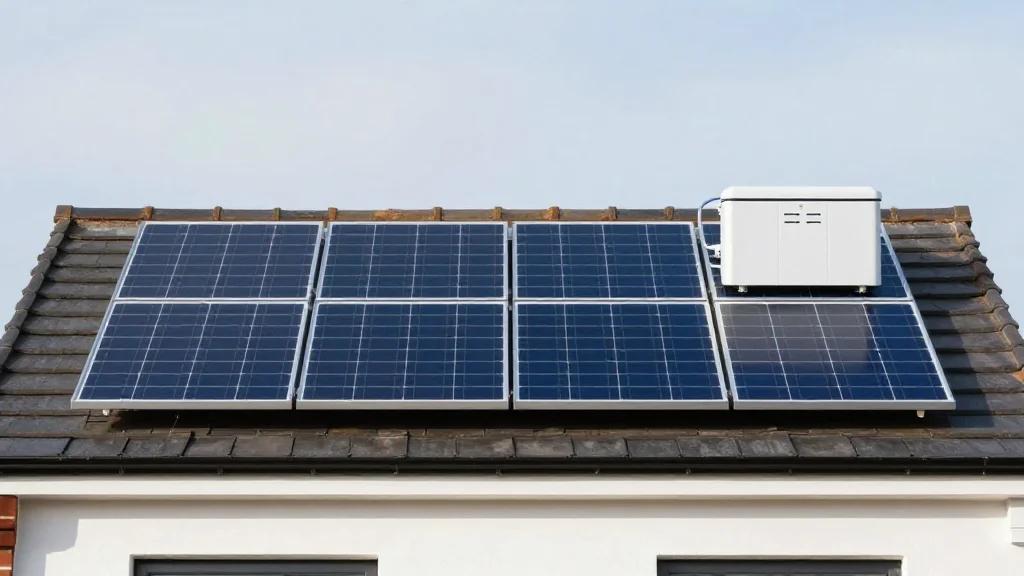
Why Rising Energy Fears Are Turning UK Homes Into Mini Power Stations
Companies Mentioned
Why It Matters
The trend reshapes the residential energy market, forcing utilities to adapt to decentralized generation and altering grid economics across the UK.
Key Takeaways
- •Solar installations up >50% YoY amid price volatility.
- •Households view panels as hedge against unpredictable bills.
- •Government grants accelerate low‑cost solar and battery adoption.
- •Grid operators face new pricing and export challenges.
- •Mis‑timed installations risk higher costs and performance gaps.
Pulse Analysis
Global geopolitical tensions and supply chain disruptions have turned energy bills into a volatile commodity for UK consumers. As oil and gas prices surge, households are no longer content to wait for price‑cap adjustments; they are proactively installing solar arrays and batteries to insulate themselves from unpredictable costs. This risk‑aversion mindset mirrors corporate hedging strategies, positioning residential energy consumption as a managed asset rather than a passive expense.
The market response is evident. Octopus Energy, a leading retailer, disclosed a more than 50% year‑on‑year increase in residential solar installations, while demand for heat pumps and EV chargers is also climbing. Government policy under the Warm Homes strategy amplifies this momentum, offering fully funded installations for low‑income families and zero‑interest loans for others. These incentives reduce capital barriers and signal a long‑term commitment to decentralized power, encouraging a broader swath of the population to view self‑generation as a default choice.
Utilities and grid operators must now grapple with a fundamentally altered supply landscape. Increased rooftop generation reduces peak demand but introduces variability that challenges traditional dispatch models, prompting revisions to export tariffs and ancillary service markets. Households that mistime their investments—either by paying premium installer rates during demand spikes or by overestimating winter generation—risk eroding expected returns. Consequently, savvy consumers will balance timing, performance expectations, and emerging regulatory frameworks to maximize both cost savings and energy security.
Why Rising Energy Fears Are Turning UK Homes Into Mini Power Stations
Comments
Want to join the conversation?
Loading comments...