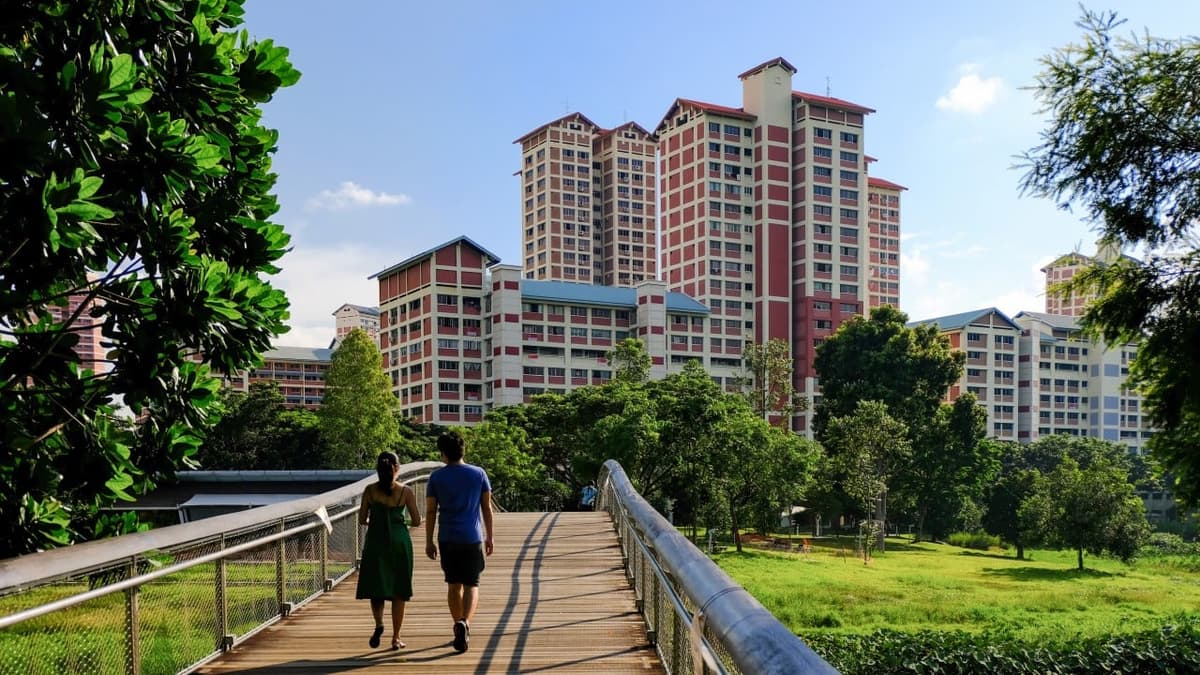
Why Singapore’s Property Slowdown Is the Envy of the Rest of Asia
Companies Mentioned
Why It Matters
Singapore’s public‑housing model shows how abundant, affordable supply can temper price volatility even amid regional energy and economic headwinds, offering a blueprint for other Asian cities grappling with housing shortages.
Key Takeaways
- •HDB resale price index fell 0.1% Q/Q, first decline in 7 years
- •High‑end resale flats (≥S$800k ≈ $627k) rose 30% quarter‑on‑quarter
- •13,400 resale flats expected 2024, nearly double last year’s supply
- •Government announced S$1 bn ($784 m) aid for cost‑of‑living, fuel relief
Pulse Analysis
Singapore’s property market has become a rare outlier in a region where housing affordability is eroding. While the nation grapples with an energy crisis—95% of its electricity relies on imported natural gas—the government’s swift S$1 billion ($784 million) stimulus package aims to cushion consumers from soaring fuel costs. This macro‑economic support has helped preserve consumer confidence, allowing the broader real‑estate sector to maintain price momentum despite broader headwinds.
The core of Singapore’s resilience lies in its Housing and Development Board (HDB) ecosystem. With roughly 80% of residents living in public housing, the HDB can directly influence supply‑demand balances. In Q1 2024, the resale price index dipped marginally, but 16 of 26 towns still recorded price gains, and premium flats priced above S$800,000 ($627,000) surged 30% quarter‑on‑quarter. The influx of 13,400 resale units—almost twice last year’s volume—combined with new build‑to‑order projects in prime districts, ensures that supply keeps pace with the steady demand from upgrading households.
Looking ahead, Singapore’s housing outlook hinges on policy and demographic shifts. The government plans to admit 25,000‑30,000 new citizens and 40,000 permanent residents annually, injecting fresh demand that could reignite price growth. However, the HDB’s affordability criteria—median prices no more than five times median household income—remain a safeguard. For other Asian markets facing severe supply constraints, Singapore’s model illustrates how proactive public‑housing strategies and targeted fiscal relief can sustain affordability while supporting economic stability.
Why Singapore’s property slowdown is the envy of the rest of Asia
Comments
Want to join the conversation?
Loading comments...