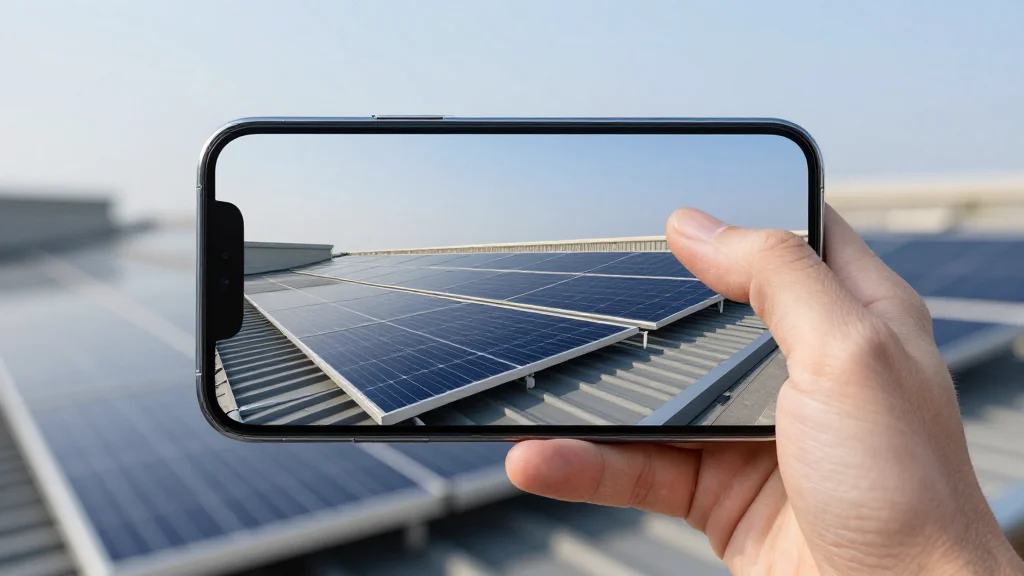
Why Smartphone Cameras Could Unlock Cheaper, Faster Rooftop Solar
Why It Matters
By eliminating on‑site bottlenecks, virtual inspections lower installation costs, improve safety, and speed the transition to distributed solar and electrification technologies.
Key Takeaways
- •Maryland counties cut solar inspection time with video evidence
- •Placer County saves ~3,900 driving miles annually via remote inspections
- •California bills aim to expand virtual checks to heat pumps and water heaters
- •Virtual inspections improve quality by allowing detailed photo and video review
- •Contractors gain faster approvals and lower compliance costs
Pulse Analysis
Permitting delays have long been a silent obstacle to solar deployment, inflating soft costs and discouraging installers. Recent pilots in Maryland and Arizona demonstrate how smartphone cameras paired with upgraded permit‑management platforms can digitize the inspection workflow. By allowing installers to submit high‑resolution photos and live video streams, regulators can verify compliance without dispatching field crews, turning a multi‑day bottleneck into a same‑day decision point.
The operational benefits are tangible. Placer County’s Community Development Resource Agency estimates a yearly reduction of roughly 3,900 vehicle miles, translating into fuel savings and lower emissions. Inspectors can overlay digital plans with live footage, spotting errors that a brief on‑site glance might miss. This dual‑view approach not only raises quality assurance but also mitigates safety risks associated with climbing rooftops. For contractors, the ability to schedule inspections at convenient times reduces labor downtime and accelerates cash flow, making solar projects more financially attractive.
Policy momentum is building as legislators recognize the climate upside. California’s AB 1738 and related measures seek to codify remote inspections for solar, heat pumps, and water heaters, leveraging best practices already proven in 19 jurisdictions statewide. While concerns about local control and data security persist, the evidence suggests that well‑designed digital permitting frameworks can preserve oversight while delivering efficiency gains. As more municipalities adopt these tools, the industry can expect a cascade of cost reductions, faster project timelines, and a smoother path toward nationwide electrification goals.
Why smartphone cameras could unlock cheaper, faster rooftop solar
Comments
Want to join the conversation?
Loading comments...