Why Wales Could Be the Next Energy Powerhouse
Why It Matters
Wales’s renewable surge and grid upgrades could secure energy independence, offering a replicable model for small economies and strengthening the UK’s net‑zero strategy.
Key Takeaways
- •Wales generated 54% of electricity from renewables in 2024
- •Target: 70% renewable electricity by 2030, 100% by 2035
- •Grid infrastructure bottleneck threatens Wales’s 2035 clean energy goal
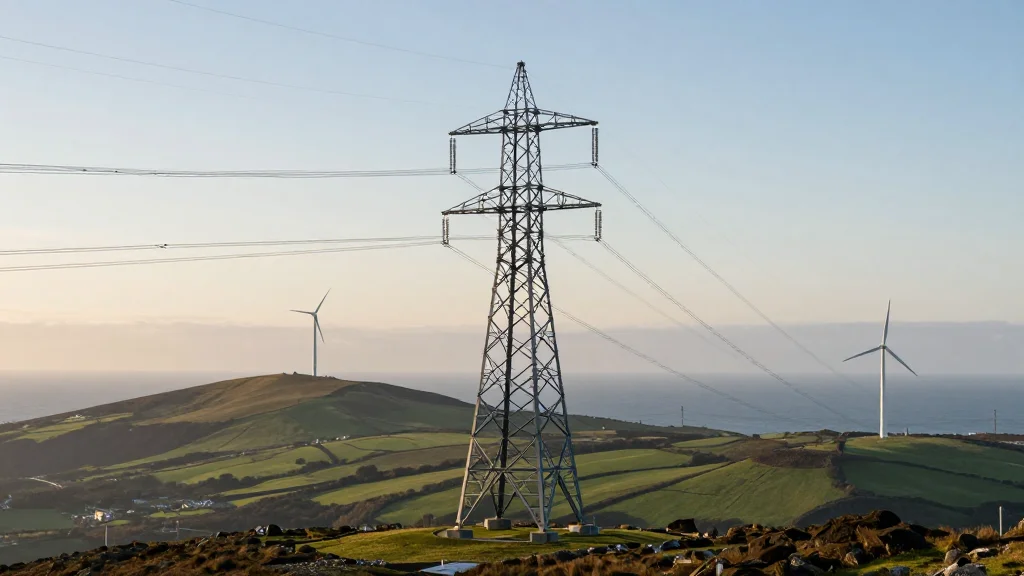
- •Green GEN Cymru builds resilient transmission lines for rural wind power
- •Investment needed in storage, CCS, hydrogen to secure independence
Pulse Analysis
The latest surge in oil and gas prices, sparked by geopolitical tension between the United States and Iran, has reminded markets how vulnerable economies remain to external energy shocks. While many governments scramble for short‑term fixes, Wales has already moved beyond rhetoric, achieving 54 % of its electricity from renewable sources in 2024. The Welsh government’s renewed commitment to deliver 70 % renewable electricity by 2030 and a fully clean grid by 2035 positions the nation as a potential European energy hub, leveraging its wind‑rich coasts, mountainous terrain, and tidal resources.
Achieving those targets, however, hinges on a robust transmission network. Existing grids are strained, and without new high‑capacity lines, excess wind generation in rural uplands cannot reach urban consumers or industrial parks. Green GEN Cymru is addressing this gap by constructing resilient, low‑loss transmission corridors that link offshore and on‑shore wind farms to demand centres, while also preparing the system for future green heating and electric‑vehicle loads. Analysts warn that under‑investment in grid upgrades, as well as in complementary technologies such as carbon capture, storage and hydrogen, could stall Wales’s clean‑energy timeline.
The Welsh model offers a blueprint for other small, democratic economies seeking energy sovereignty. By coupling ambitious generation goals with coordinated private‑sector investment in infrastructure, Wales can reduce its reliance on imported fossil fuels, which currently supply about 90 % of its total energy demand. This approach creates new opportunities for construction firms, technology providers, and financiers, while reinforcing the UK’s broader net‑zero agenda. If policymakers deliver the necessary capital and regulatory certainty, Wales could emerge as a showcase of how strategic grid development transforms renewable potential into reliable, domestically controlled power.
Why Wales could be the next energy powerhouse
Comments
Want to join the conversation?
Loading comments...