Why We Should Treat Households as Energy Infrastructure
Companies Mentioned
Why It Matters
Treating homes as infrastructure can slash consumer costs, ease grid strain, and align political incentives with climate goals, accelerating the clean‑energy transition.
Key Takeaways
- •Home electrification could save $26,000 per household
- •96% of homes could afford full‑home solar and storage
- •Minnesota levies data‑center fees for grid upgrades
- •Google‑Xcel partnership funds $50 million in batteries
- •Policy shifts could unlock $1.5 trillion national savings
Pulse Analysis
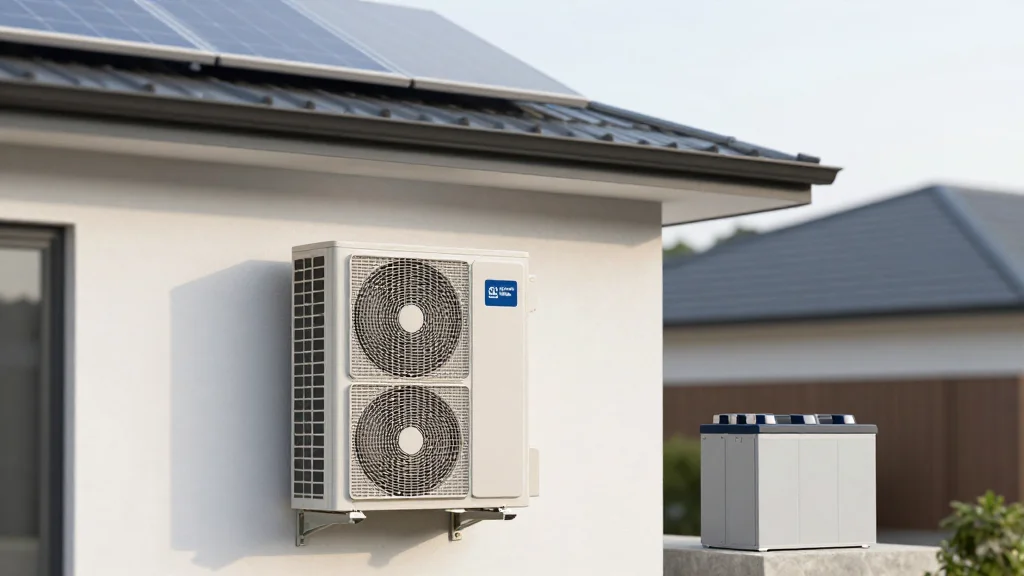
Rising electricity rates and massive utility capital plans have left many households feeling like passive ratepayers. At the same time, data centers and other large energy users are expanding, consuming water, land, and power without delivering clear local benefits. This tension is driving a policy conversation that reframes single‑family homes as a piece of the energy grid rather than a cost center, leveraging existing technologies—heat pumps, rooftop solar, home batteries, and smart appliances—to lower bills and improve reliability.
The "Homegrown Energy" proposal outlines a coordinated set of policies designed to make whole‑home electrification affordable for roughly 96% of U.S. households, a dramatic jump from the current 9% adoption rate. By cutting permitting hurdles, allowing utilities to finance upgrades and recover costs through energy savings, and scaling virtual power plants, the model forecasts $26,000 in lifetime savings per home and a collective $1.5 trillion benefit nationwide. Beyond the financial upside, these measures promise cleaner indoor air, greater resilience during outages, and a direct stake for families in the nation’s energy future.
Early state experiments signal that the concept is gaining traction. Minnesota’s new fees on large data centers fund energy‑affordability programs, while a $50 million agreement between Google and Xcel Energy channels distributed batteries to defer costly grid upgrades. Similar initiatives are emerging in Illinois, Washington, and Wisconsin. As policymakers head into the next election cycle, demonstrating tangible household benefits will be crucial for maintaining public support for large‑scale clean‑energy investments, making the treatment of homes as core infrastructure both an economic and political imperative.
Why We Should Treat Households as Energy Infrastructure
Comments
Want to join the conversation?
Loading comments...