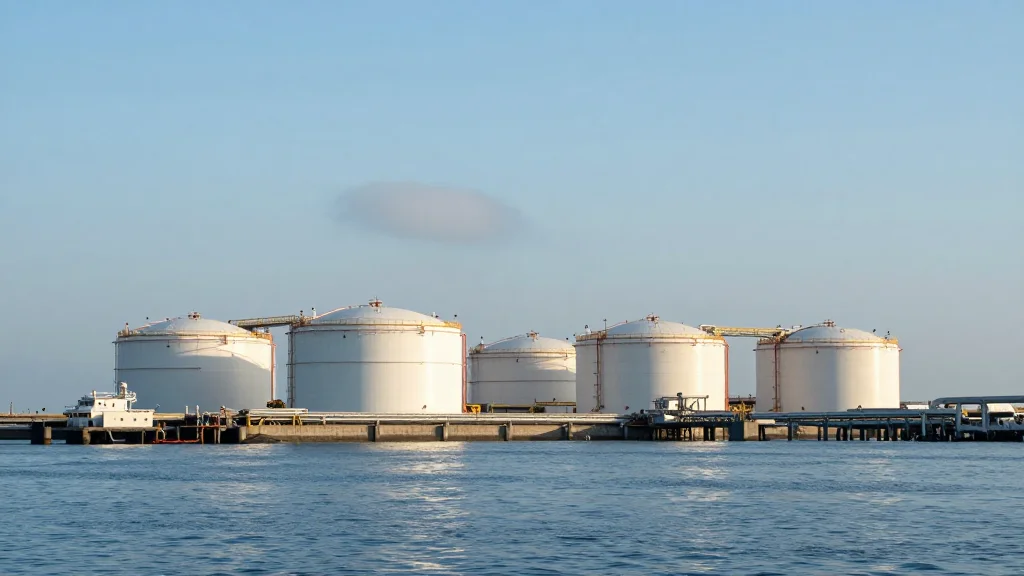
Will LNG Exporters Dodge Hurricane Season Again This Year?
Why It Matters
A milder hurricane season lowers the risk of costly shutdowns for Gulf Coast LNG projects, supporting continued export growth and market stability. Any deviation could quickly reverse those gains, underscoring the sector’s weather sensitivity.
Key Takeaways
- •NWS predicts 8‑14 named storms, below average
- •Gulf Coast LNG facilities face lower disruption risk this season
- •Late-season storms could still threaten offshore platforms
- •Export growth amplifies economic impact of any hurricane
- •Operators are reviewing contingency plans for unexpected storms
Pulse Analysis
The 2026 Atlantic hurricane outlook reflects a broader trend of slightly subdued tropical activity, driven by a combination of cooler sea‑surface temperatures and marginally stronger wind shear. While the forecast still anticipates up to six hurricanes, the reduced frequency and intensity lessen the probability of landfall in the Gulf of Mexico, a region that houses a growing cluster of liquefied natural gas (LNG) export terminals. Energy analysts view this as a favorable backdrop for the sector, which has been grappling with supply‑chain bottlenecks and weather‑related outages in recent years.
For LNG exporters, the forecast translates into a more predictable operating environment. Fewer storms mean lower chances of forced plant shutdowns, which can trigger price spikes and contractual penalties. The Gulf Coast’s expanding export capacity—now exceeding 30 million metric tons per year—means that any disruption would reverberate through global gas markets. Companies are therefore leveraging the optimistic outlook to lock in long‑term sales, accelerate construction schedules, and negotiate financing with reduced weather risk premiums. Simultaneously, they are investing in resilient infrastructure, such as elevated critical equipment and advanced forecasting tools, to mitigate the impact of any late‑season anomalies.
Looking ahead, industry leaders remain cautious. While the seasonal forecast is encouraging, climate variability and the potential for rapid intensification of storms keep risk management at the forefront. Operators are revisiting emergency response protocols, enhancing coordination with local authorities, and diversifying supply routes to hedge against unexpected weather events. Investors and policymakers alike are watching how the sector balances growth ambitions with resilience, a dynamic that will shape the competitive landscape of U.S. LNG exports for years to come.
Will LNG Exporters Dodge Hurricane Season Again This Year?
Comments
Want to join the conversation?
Loading comments...