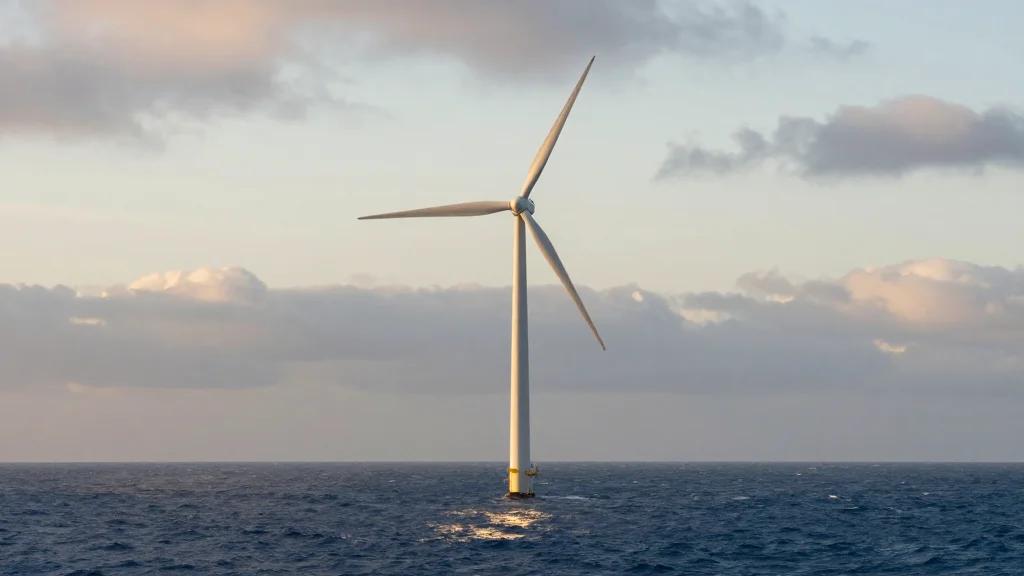
Wind Giants Vestas and Ørsted Beat Forecasts as Iran War Fuels Clean‑Tech Surge

Companies Mentioned
Why It Matters
The earnings surprise by Vestas and Ørsted signals that geopolitical crises can accelerate the clean‑energy transition far faster than policy cycles alone. By linking offshore wind profitability directly to a war‑driven security narrative, the companies have created a new market catalyst that could reshape capital allocation across the entire energy sector. If the trend continues, Europe may achieve a larger share of its electricity from wind earlier than projected, reducing dependence on volatile fossil‑fuel imports and potentially lowering consumer energy bills. The shift also puts pressure on traditional oil‑and‑gas majors to diversify more aggressively, as seen with Equinor’s clean‑tech earnings boost, thereby reshaping competitive dynamics for the next decade.
Key Takeaways
- •Vestas reported an "unexpectedly large" first‑quarter profit rise, beating analyst forecasts.
- •Ørsted posted stronger‑than‑expected Q1 profit, citing offshore wind demand surge.
- •Equinor CFO Torgrim Reitan highlighted a shift from decarbonisation to energy‑security focus amid the Iran war.
- •European offshore wind capacity forecasts have been revised upward by 5‑7% for 2026‑2028.
- •Shares of Vestas and Ørsted rose 4‑6% in after‑hours trading following the earnings releases.
Pulse Analysis
The Iran war has acted as a catalyst that compresses the timeline for Europe’s renewable‑energy ambitions. Historically, large‑scale policy shifts—such as the EU’s Green Deal—have taken years to translate into tangible order books. This time, a security shock has forced governments and utilities to prioritize domestic, dispatchable clean power, with offshore wind emerging as the most viable solution. Vestas and Ørsted’s profit beats are less about a one‑off accounting win and more about a structural re‑allocation of capital toward assets that can deliver both energy security and climate benefits.
From a competitive standpoint, the surge benefits firms that have already invested in large‑scale offshore platforms. Vestas’s V236‑15.0 turbine, for example, offers higher capacity factors that align with the need for reliable baseload renewable power. Meanwhile, traditional oil majors like Equinor are scrambling to reposition their balance sheets, leveraging existing offshore expertise to enter the wind market. This convergence of expertise could accelerate technology transfer, driving down costs and improving turbine reliability.
Looking ahead, the key question is whether the geopolitical impetus will translate into lasting policy support. If European governments institutionalize the current wave of subsidies and streamline permitting processes, the wind sector could see a compound annual growth rate (CAGR) exceeding 10% through 2030. Conversely, if the conflict de‑escalates and fossil‑fuel prices normalize, the urgency may wane, leaving wind firms to rely on pure market economics. Investors should monitor policy announcements, supply‑chain constraints, and the pace of new offshore project approvals to gauge the durability of this profit‑boosting trend.
Wind Giants Vestas and Ørsted Beat Forecasts as Iran War Fuels Clean‑Tech Surge
Comments
Want to join the conversation?
Loading comments...