Wind Industry Warns of Capital Flight if Liberals Press “Pause” On Transmission Projects
Why It Matters
Pausing key transmission lines could derail Victoria’s 2030 renewable‑energy goal and divert billions of dollars in clean‑energy investment to rival states, weakening both the state’s economy and climate leadership.
Key Takeaways
- •Liberal pause could divert billions in renewable investment
- •Transmission delays threaten Victoria’s 2030 65% renewable target
- •Past Liberal terms saw zero new renewable approvals (2010‑14)
- •Queensland’s anti‑wind policies serve as cautionary example
- •Industry warns “capital flight” will cripple regional project pipelines
Pulse Analysis
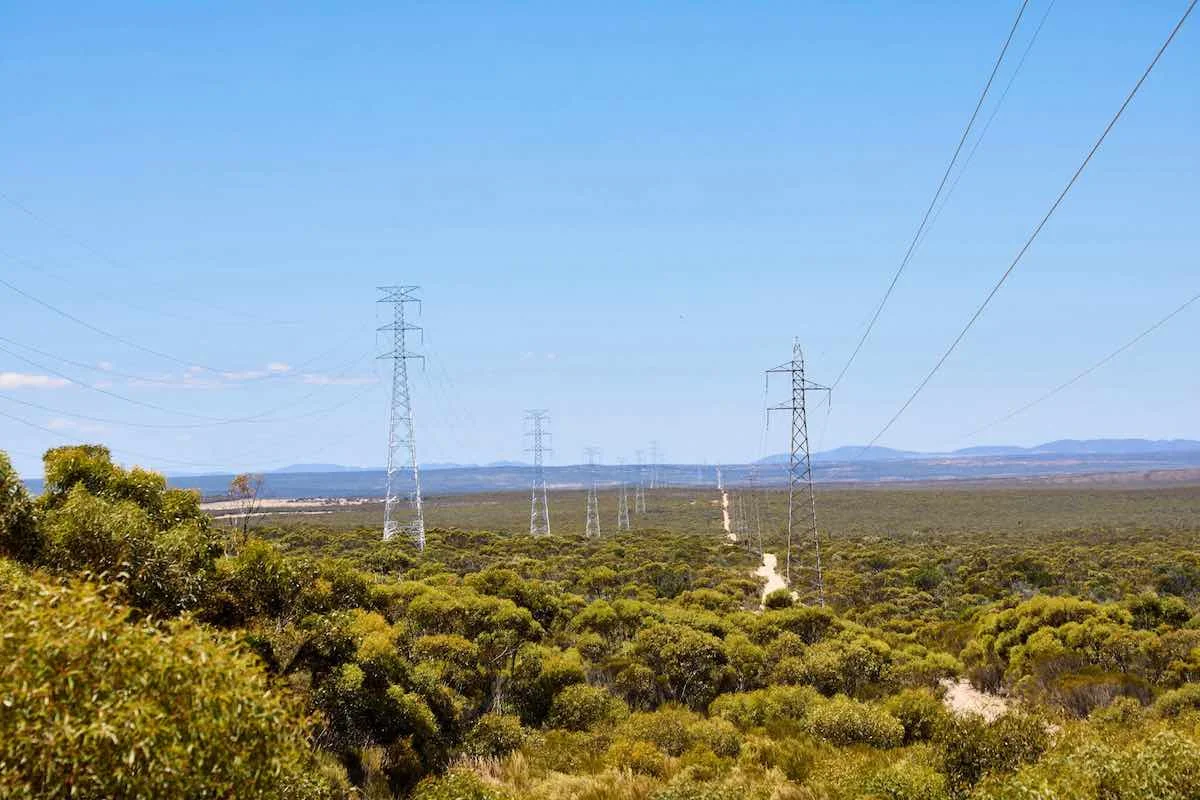
Victoria’s VNI West and Western Renewable Link projects are central to the state’s plan to integrate large‑scale wind and offshore generation into the grid. The transmission corridors, often called the "transmission inventory," enable developers to move power from remote wind farms to urban demand centers, unlocking billions in private investment. By proposing a pause, the Liberal Party is effectively putting a hold on infrastructure that has already cleared legislative hurdles and is years into detailed planning, raising questions about policy certainty for developers and financiers alike.
Capital flight is not a theoretical risk; during the 2010‑14 Liberal administrations, Victoria recorded zero new renewable project approvals, and all renewable‑energy capital migrated to neighboring states such as New South Wales and South Australia. Analysts estimate that the stalled projects could represent up to AU$5 billion (≈US$3.3 billion) in private spend, a figure comparable to the annual investment in Victoria’s broader energy transition. The recent Queensland experience—where aggressive legislative changes and community‑benefit fees have driven major developers away—serves as a cautionary benchmark, illustrating how policy reversals can quickly erode investor confidence and job creation.
For investors and developers, the key takeaway is the need for a stable, long‑term policy framework. A swift, transparent review that balances community concerns with economic imperatives could preserve the pipeline and keep Victoria on track for its 65% renewable target. Conversely, a prolonged pause risks not only lost capital but also a reputational hit that may push future projects to more policy‑friendly jurisdictions. Stakeholders are watching closely, as the outcome will shape the competitive landscape of Australia’s renewable energy sector for the next decade.
Wind industry warns of capital flight if Liberals press “pause” on transmission projects
Comments
Want to join the conversation?
Loading comments...