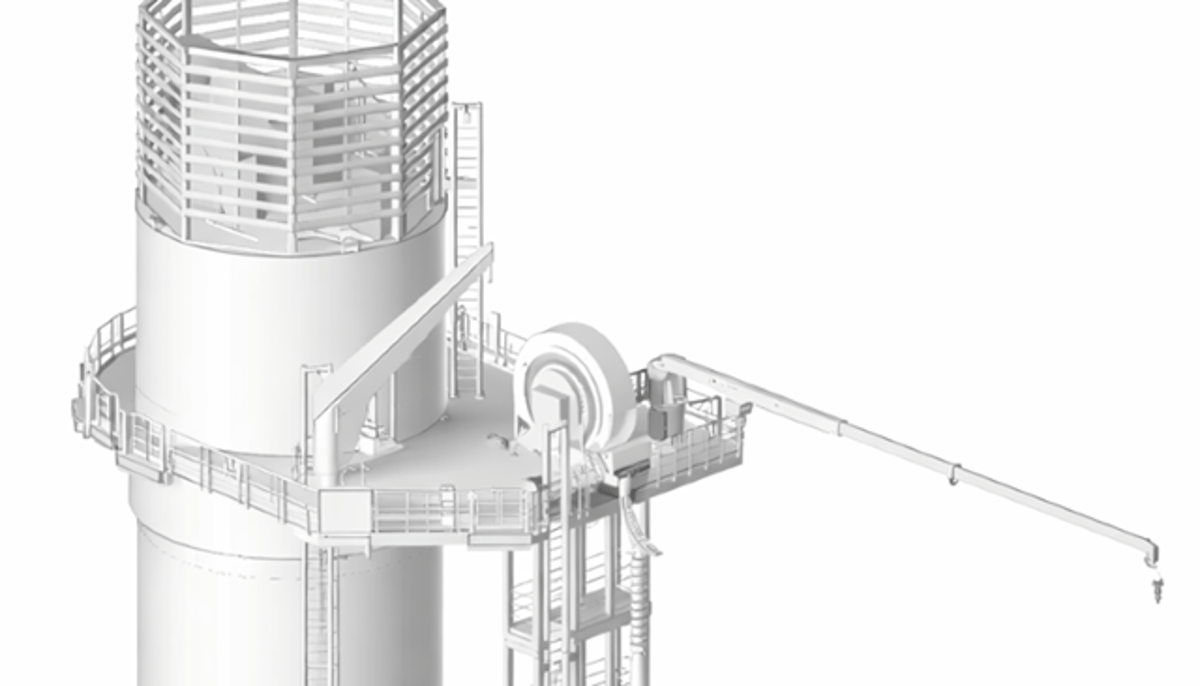
WindEurope 2026: Stillstrom Launches Offshore Charging Systems
Why It Matters
Enabling vessel electrification removes a major source of emissions in offshore wind, accelerating the sector’s decarbonisation and reducing operating costs for developers. The technology also resolves the “chicken‑and‑egg” barrier between charging infrastructure and electric vessels, unlocking broader adoption.
Key Takeaways
- •Stillstrom introduced Power Hub and Power Tower offshore charging solutions.
- •Systems can operate independently of turbine infrastructure for flexible deployment.
- •Aim to reduce maritime fuel use and CO₂ emissions in offshore wind.
- •Power Hub mounts on existing monopiles; Power Tower suits new‑build projects.
- •Enables scalable vessel electrification, addressing the sector’s “chicken‑egg” dilemma.
Pulse Analysis
The offshore wind industry is scaling rapidly, with global capacity projected to exceed 300 GW by 2030. As turbine sizes grow and sites move farther offshore, service vessels must travel longer distances, increasing fuel consumption and emissions. Traditional diesel‑powered ships contribute the largest share of CO₂ within wind farm operations, creating a sustainability gap that regulators and investors are keen to close. Electrifying these vessels requires reliable, high‑capacity power sources at sea—a challenge that has stalled broader adoption of zero‑emission ships.
Stillstrom’s Power Hub and Power Tower address this gap by delivering grid‑scale electricity directly to vessels via dedicated offshore charging stations. The Power Hub’s compact monopile design can be bolted onto existing turbine foundations, turning operational farms into charging hubs without major retrofits. Conversely, the Power Tower leverages conventional offshore construction methods, allowing developers to integrate charging capability into new wind farms from the outset. Both systems incorporate Stillstrom’s patented power conversion and safety technologies, ensuring stable output even in harsh marine environments and simplifying connection to vessel battery systems.
The rollout of these charging solutions could reshape the economics of offshore wind maintenance. Operators stand to lower fuel costs, reduce maintenance downtime associated with fuel logistics, and meet tightening emissions standards across Europe and North America. Moreover, the availability of offshore power may spur a new wave of electric service vessels, catalyzing ancillary markets in battery manufacturing and marine electrification. As policymakers push for net‑zero targets, technologies like Stillstrom’s charging infrastructure will be pivotal in aligning offshore wind’s growth with broader climate objectives.
WindEurope 2026: Stillstrom launches offshore charging systems
Comments
Want to join the conversation?
Loading comments...