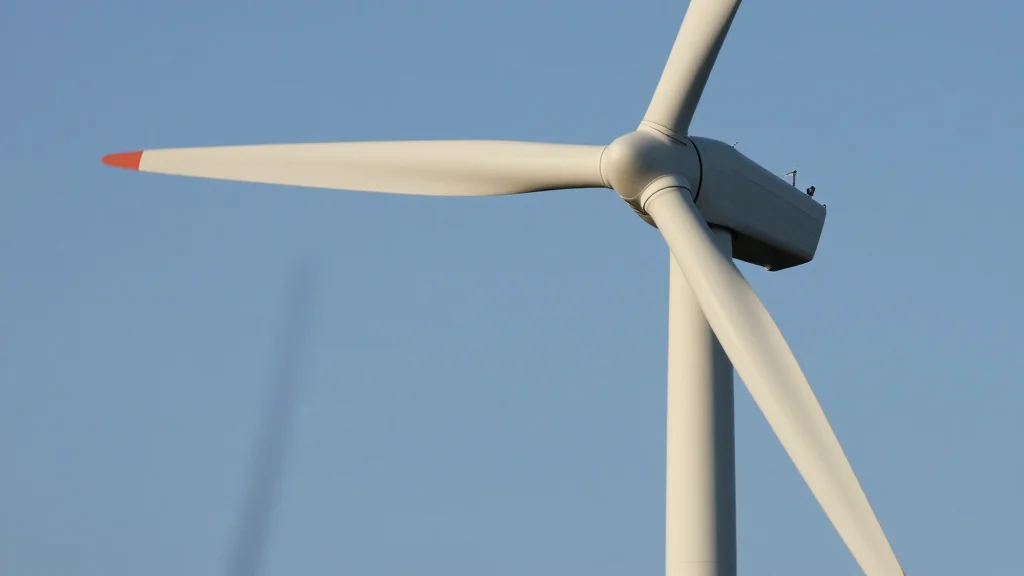
WindEurope's 10-Point Plan to Boost Wind Power in Face of Iran Energy Crisis
Why It Matters
Accelerating wind development directly addresses Europe’s vulnerability to external gas supply shocks and supports its net‑zero commitments. The plan offers a clear policy framework that could reshape investment flows in the renewable sector.
Key Takeaways
- •WindEurope proposes 10 policy actions to double EU onshore capacity by 2030
- •Plan emphasizes streamlined permitting, grid upgrades, and financing incentives
- •Measures aim to replace up to 30% of gas imports with wind
- •Collaboration with member states to align standards and supply chains
- •Urgent rollout expected to curb price spikes from Iran conflict
Pulse Analysis
The latest escalation in Iran has sent shockwaves through global energy markets, sharply lifting European gas prices and exposing the continent’s reliance on volatile imports. Policymakers are now under pressure to diversify supply sources, and wind power emerges as the most mature, domestically produced alternative. By expanding onshore and offshore wind farms, Europe can create a buffer against geopolitical disruptions while meeting the EU’s 2030 renewable targets.
WindEurope’s 10‑point plan tackles the bottlenecks that have slowed wind adoption for years. It calls for a unified permitting regime that cuts approval times by up to 50%, massive investment in high‑capacity transmission corridors, and a suite of financing mechanisms—including green bonds and risk‑sharing facilities—to lower capital costs for developers. The plan also stresses harmonized technical standards across member states, which would streamline turbine procurement and reduce supply‑chain friction.
If implemented, the roadmap could reshape the European energy landscape. Faster project delivery would attract both domestic and foreign capital, driving down the levelized cost of electricity from wind and making it competitive with fossil fuels even without subsidies. Moreover, a larger wind fleet would cut gas import volumes, easing price volatility and enhancing energy sovereignty. Investors, utilities, and grid operators stand to benefit from clearer policy signals, while the broader economy moves closer to its climate and security goals.
WindEurope's 10-point plan to boost wind power in face of Iran energy crisis
Comments
Want to join the conversation?
Loading comments...