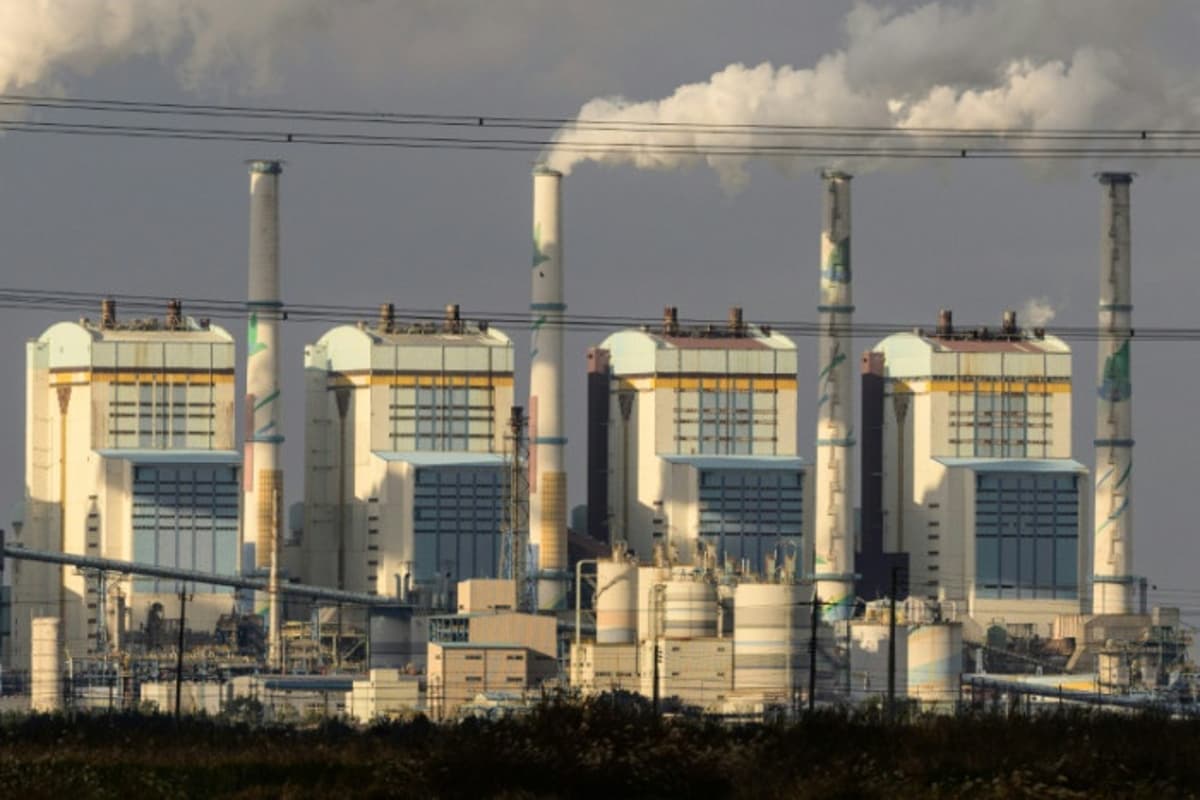
World Built More Coal Power in 2025 but Used Less
Why It Matters
The divergence between capacity growth and usage highlights policy‑driven coal persistence that threatens climate targets, while the U.S. surge signals a reversal of global decarbonisation momentum. Understanding these dynamics is critical for investors and regulators shaping the energy transition.
Key Takeaways
- •Global coal capacity rose 3.5% in 2025, mainly China, India
- •Coal generation fell 0.6% worldwide despite capacity growth
- •US coal output jumped >80 TWh, the only major rise
- •70% of slated retirements stayed online, slowing phase‑out
- •Renewables added 10% generation, outpacing coal growth
Pulse Analysis
The 2025 Global Energy Monitor report paints a paradoxical picture: while the world continues to commission new coal plants, actual coal‑fired electricity is on a modest decline. Renewable technologies have become cheap enough to meet rising demand, especially in regions where solar and wind now dominate new capacity additions. China and India, together accounting for 95% of the new coal capacity, illustrate a structural mismatch—industrial incentives and regional energy security concerns drive plant construction even as generation falls due to soaring renewable output.
In contrast, the United States bucked the global trend, increasing coal generation by more than 80 TWh, a surge driven by a policy environment that encourages domestic coal use and delays retirements. The lingering effects of the 2022‑23 energy crisis, compounded by geopolitical tensions, have prompted utilities to keep older, higher‑emitting units online. This policy‑driven reversal not only raises domestic emissions but also undermines international climate commitments, signaling that energy security narratives can still outweigh decarbonisation goals in certain markets.
The broader implication is clear: without coordinated policy action, excess coal capacity and preferential grid treatment risk entrenching fossil‑fuel dependence. While wind and solar grew 10% in 2025, their gains are insufficient to offset the inertia of newly built coal assets. Stakeholders—from investors to regulators—must prioritize accelerated retirements, stricter emissions standards, and incentives for clean‑energy integration to ensure that capacity expansions translate into genuine emissions reductions, aligning the sector with the Paris Agreement trajectory.
World built more coal power in 2025 but used less
Comments
Want to join the conversation?
Loading comments...