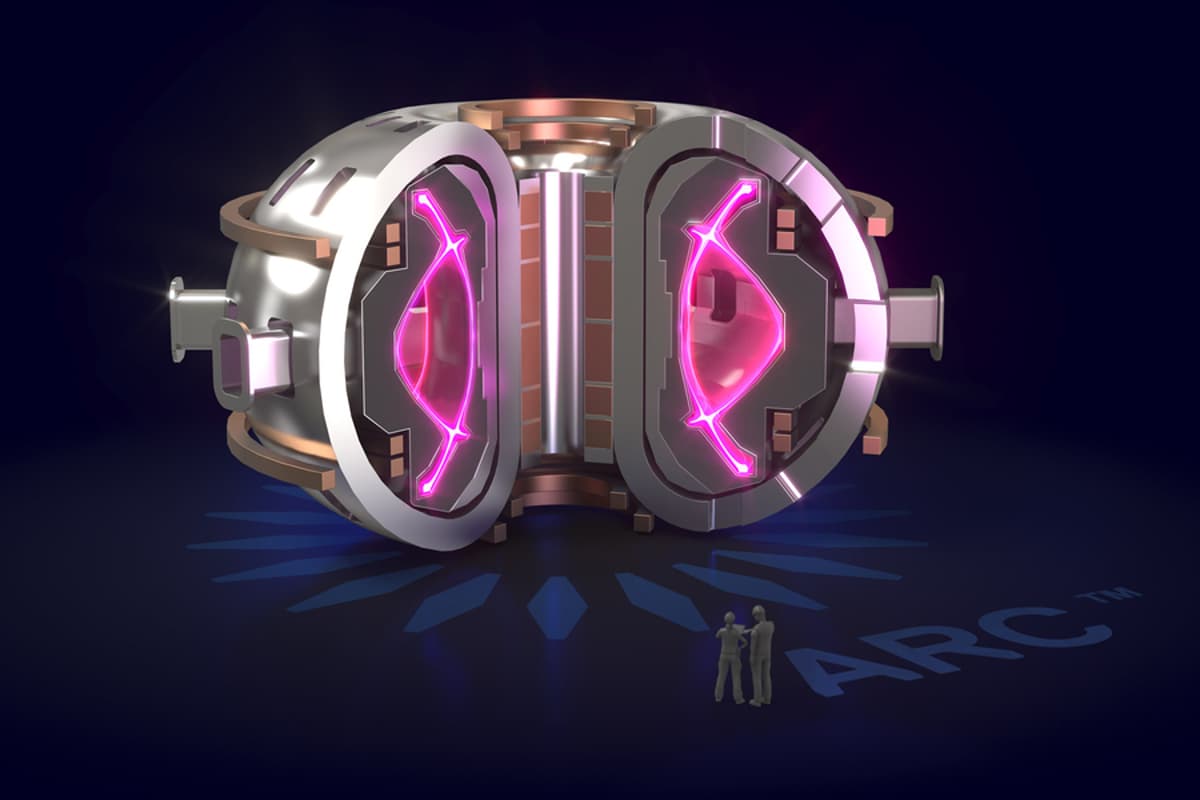
World’s First Commercial Fusion Plant Planned for Virginia by Developer Commonwealth
Companies Mentioned
Why It Matters
A commercially viable fusion plant would dramatically reshape the U.S. energy mix, offering abundant clean power with minimal radioactive waste and reducing dependence on gas and uranium imports. Success could accelerate global investment in fusion, reshaping the competitive landscape for next‑generation energy technologies.
Key Takeaways
- •CFS raised over $3 billion, the most for any fusion startup
- •Demonstration reactor in Massachusetts is 75% complete, slated for 2027
- •Virginia plant will deliver ~400 MW, less than half a typical fission reactor
- •Construction could start as early as 2026, power generation targeted early 2030s
- •Fusion’s low‑waste output could cut U.S. reliance on gas and uranium
Pulse Analysis
Fusion energy has long been touted as the ultimate clean power source, but commercial viability remained elusive until recent private capital inflows. Commonwealth Fusion Systems, backed by more than $3 billion, leverages a compact tokamak design that promises to achieve net energy gain faster and at lower cost than traditional large‑scale projects like ITER. The company’s near‑term milestone—a 75% complete demonstration reactor in Massachusetts—serves as a proof‑point for investors and regulators, signaling that the technology is transitioning from laboratory experiments to grid‑ready systems.
The planned Virginia plant, sized at roughly 400 megawatts, is deliberately smaller than conventional nuclear fission reactors, allowing for faster permitting, reduced upfront capital, and easier integration into existing transmission networks. If construction begins in 2026 as CFS hopes, the plant could start delivering electricity by the early 2030s, offering a low‑waste, carbon‑free alternative that sidesteps the long‑lived radioactive by‑products of fission. This scale also aligns with the U.S. Energy Information Administration’s forecasts for distributed clean‑energy resources, making fusion a plausible complement to wind, solar, and battery storage.
CFS’s progress is reshaping the broader energy investment landscape. While Europe pursues the massive ITER project, private‑sector players in the United States are now demonstrating that smaller, modular fusion plants can attract substantial funding and regulatory support. Successful commercialization could trigger a wave of follow‑on projects across the Rust Belt and the West, prompting utilities to reconsider long‑term generation portfolios. Moreover, the technology’s ability to reduce reliance on imported liquefied natural gas and uranium could have strategic geopolitical implications, reinforcing energy security while meeting aggressive decarbonization targets.
World’s First Commercial Fusion Plant Planned for Virginia by Developer Commonwealth
Comments
Want to join the conversation?
Loading comments...