Xcel Minnesota Is Building a First-of-Its Kind Virtual Power Plant
Companies Mentioned
Why It Matters
The program could prove that utility‑owned distributed energy resources can replace traditional grid investments, reshaping cost structures for ratepayers and setting a replicable model for the industry.
Key Takeaways
- •Xcel to spend $430M on 200 MW battery VPP.
- •First utility‑owned virtual power plant in U.S.
- •Program bypasses third‑party aggregators, sparking industry criticism.
- •Aims to defer costly distribution grid upgrades.
- •Success could set template for utility VPP adoption.
Pulse Analysis
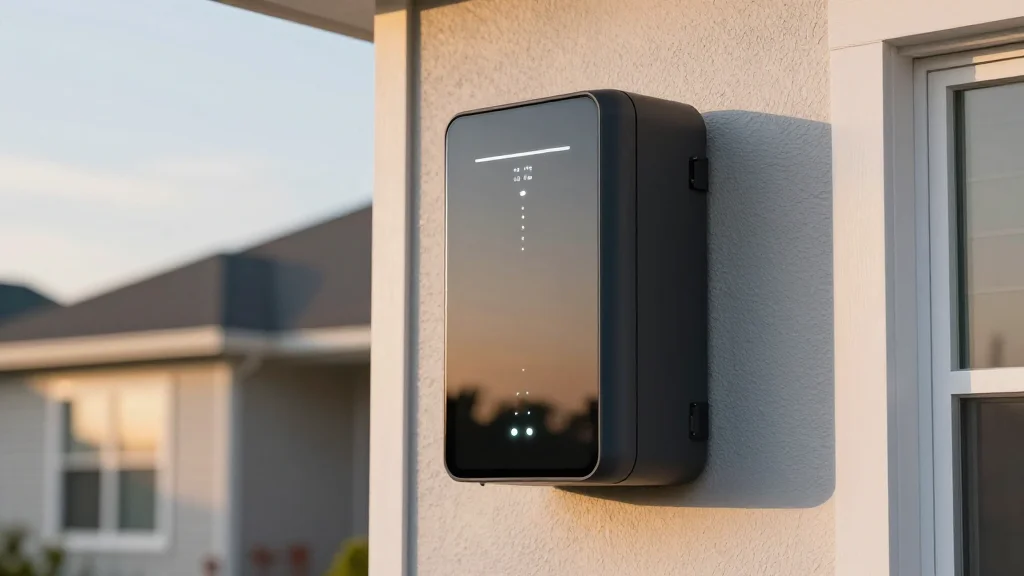
Virtual power plants (VPPs) have long been championed by aggregators as a way to harness distributed energy resources, but Xcel Energy’s Capacity*Connect flips the script by placing the utility at the helm. By committing $430 million to install up to 200 MW of modular batteries at commercial, industrial and nonprofit sites, Xcel aims to create a controllable, grid‑integrated resource that can be dispatched on demand. This ownership model sidesteps the traditional third‑party aggregator structure, giving Xcel direct economic incentives while raising questions about market competition and rate‑payer benefits.
The technical challenge lies in using these batteries to address pinpoint distribution constraints rather than merely shaving peak demand. Utilities must monitor sub‑station loads in real time and trust that dispersed assets will respond reliably during localized stress events. Xcel’s pilot will gather granular performance data, potentially establishing the metrics needed to value distributed resources—a hurdle that has stalled broader VPP adoption. Industry groups have voiced concern that excluding independent vendors could limit innovation and drive up costs, highlighting a tension between utility control and competitive market dynamics.
If Capacity*Connect demonstrates measurable deferment of costly grid upgrades, it could become a blueprint for other investor‑owned utilities facing rising infrastructure expenses. Successful integration would validate the economic case for utility‑owned VPPs, encouraging regulators to endorse similar programs nationwide. Conversely, failure to deliver promised savings or to accommodate third‑party participation could reinforce skepticism and slow the transition toward a more decentralized, resilient grid architecture.
Xcel Minnesota is building a first-of-its kind virtual power plant
Comments
Want to join the conversation?
Loading comments...