‘Yes, We Can’: A Blueprint for a Clean Economy and Healthy Society
Why It Matters
Stern provides a compelling economic case that encourages policymakers and investors to accelerate climate action without sacrificing growth, shaping future climate finance and development strategies worldwide.
Key Takeaways
- •Stern argues decarbonisation fuels economic growth
- •Clean‑energy costs falling, spurring rapid adoption
- •AI and innovation accelerate climate solutions
- •LMICs positioned to lead global transition
- •Just transition safeguards communities during restructuring
Pulse Analysis
Amid wars in Ukraine, Gaza and rising tensions in Iran, global attention has drifted away from climate mitigation, echoing the post‑2008 slowdown. Nicholas Stern, whose 2006 Stern Review reshaped climate economics, re‑emerges with “The Growth Story of the 21st Century,” a synthesis of his LSE lectures that reasserts the urgency of decarbonisation. By framing climate action as a growth engine rather than a fiscal burden, Stern seeks to re‑ignite political will and private capital at a moment when many governments are pre‑occupied with security and inflation concerns. The book’s core argument is that a clean economy can deliver higher productivity, lower health costs, and new market opportunities.
Declining costs of solar, wind and battery storage, combined with artificial‑intelligence‑driven optimisation of energy systems, make rapid emissions cuts financially attractive. Investment in green technologies now yields returns that outpace traditional fossil‑fuel projects, while cleaner air and reduced heat stress improve workforce health and reduce healthcare expenditures. Stern contends that these synergies dismantle the myth of a trade‑off between environmental stewardship and economic prosperity.
To translate this vision into reality, Stern outlines a four‑pronged policy agenda: mobilise climate‑aligned finance, accelerate technology transfer, protect natural capital, and develop carbon‑removal solutions. He places low‑ and middle‑income nations—excluding China—at the centre of the transition, arguing their growth trajectories will dictate global emissions outcomes. Crucially, the blueprint stresses a ‘just transition,’ directing public funds to support workers and communities displaced by the shift away from fossil fuels. If adopted, these measures could align climate goals with inclusive growth, reshaping investment flows and regulatory frameworks worldwide.
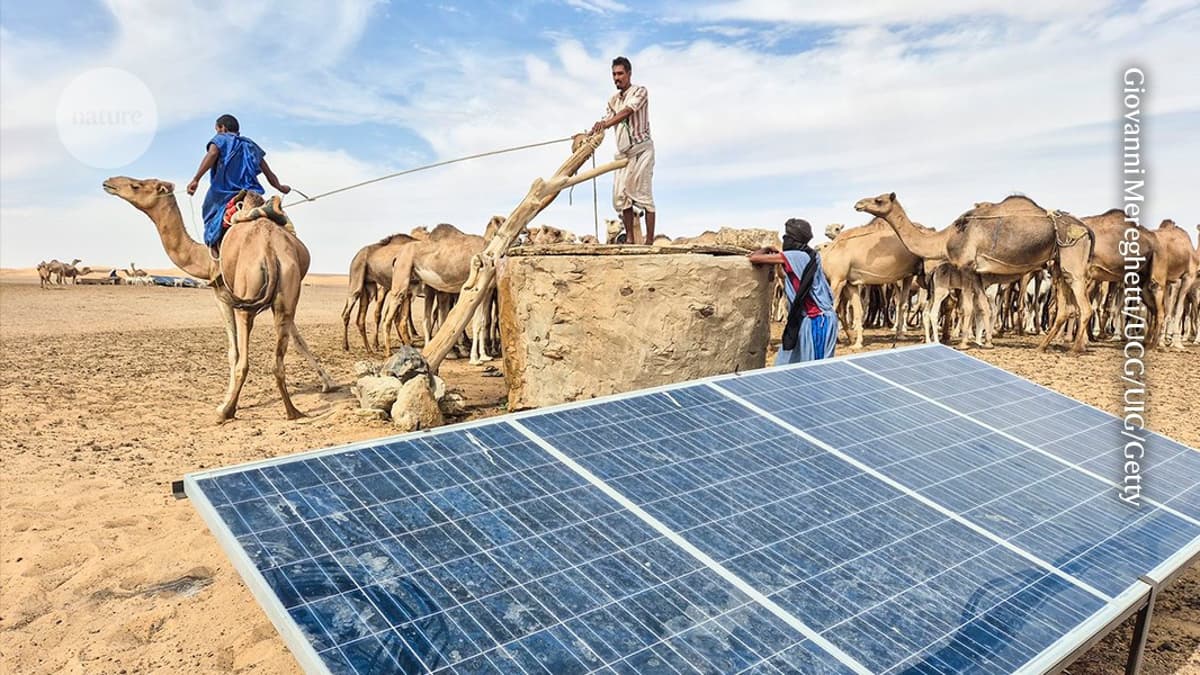
‘Yes, we can’: a blueprint for a clean economy and healthy society
Comments
Want to join the conversation?
Loading comments...