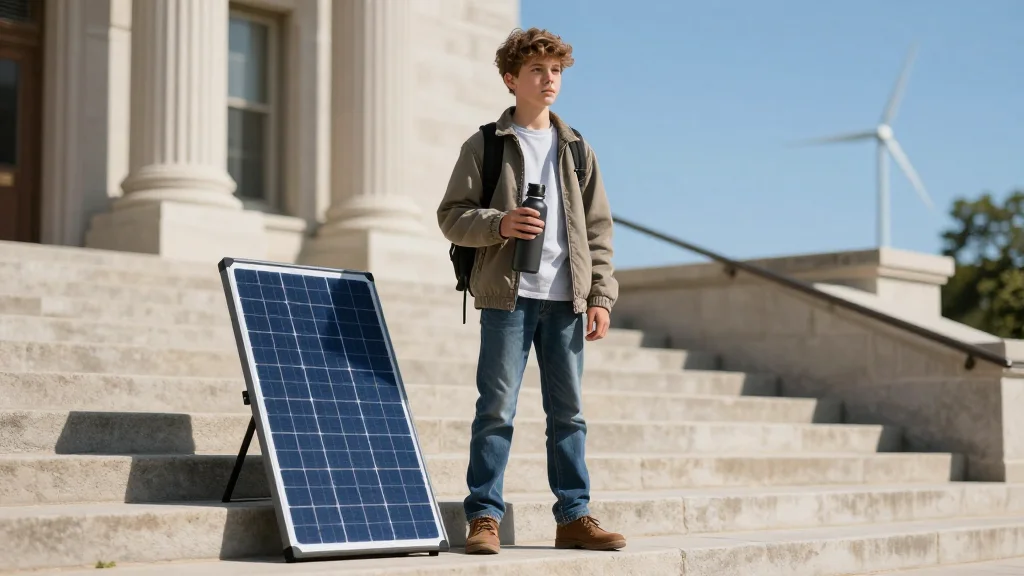
Youths Who Sued Trump Over Orders to ‘Unleash’ Energy Try to Revive Case
Why It Matters
The outcome will determine whether executive climate actions can be reviewed by courts, shaping the legal landscape for future climate‑change litigation and policy accountability.
Key Takeaways
- •22 youths seek to revive *Lighthiser v. Trump* on Ninth Circuit
- •Case alleges Trump exceeded authority by promoting fossil‑fuel executive orders
- •Lower court dismissed, citing overly broad injuries beyond judicial reach
- •Outcome could shape future climate‑change lawsuits by minors
Pulse Analysis
The lawsuit filed by 22 teenagers, *Lighthiser v. Trump*, is the latest chapter in a growing wave of climate‑change litigation driven by young plaintiffs. Building on the high‑profile *Juliana v. United States* case, the youths, represented by Our Children’s Trust, argue that President Trump’s 2025 executive orders to accelerate domestic fossil‑fuel production violate their constitutional rights to life, liberty, and a safe environment. Although a Montana district judge dismissed the claim for being too broad, the appeal underscores a strategic shift: using federal courts to challenge executive climate policy directly.
The legal crux centers on whether an executive order can be deemed unconstitutional for exceeding statutory authority and endangering public health. Plaintiffs contend that the president’s unilateral rollback of emissions standards and subsidies for coal and oil projects usurps Congress’s power to regulate energy, thereby infringing the youths’ substantive due‑process rights. The Justice Department counters that the injuries cited are diffuse and political, invoking the doctrine of non‑justiciability. The Ninth Circuit’s decision will test the courts’ willingness to adjudicate broad, forward‑looking climate harms.
If the appeals court revives the case, it could open the door for a new generation of climate lawsuits targeting specific policy actions rather than abstract emissions targets. A favorable ruling would signal that executive climate decisions are subject to judicial review, pressuring future administrations to ground energy policies in statutory authority and climate science. Conversely, a reaffirmation of dismissal would reinforce the barrier of standing and justiciability, limiting the legal toolkit available to youth activists and potentially slowing corporate climate‑risk disclosures.
Youths Who Sued Trump Over Orders to ‘Unleash’ Energy Try to Revive Case
Comments
Want to join the conversation?
Loading comments...