Zambia Secures $1.5bn Energy Investment to Expand Power Generation Capacity
Why It Matters
The infusion of capital and diversified generation capacity will alleviate chronic power shortages, spur industrial growth, and elevate Zambia’s status as a regional energy hub, attracting further foreign investment.
Key Takeaways
- •$1.5 bn investment from China Machinery Engineering Corp.
- •900 MW portfolio split equally among coal, solar, wind.
- •Aims to lift Zambia’s capacity to 10 GW by 2031.
- •Project could turn Zambia into net electricity exporter.
- •Feasibility studies start June 2026, concurrent plant development.
Pulse Analysis
Zambia’s power sector has long grappled with chronic shortages, with hydro‑dependent generation frequently curtailed by droughts. To insulate the economy from such volatility, Lusaka has pursued a diversification strategy that blends conventional and renewable sources. The recent agreement with China Machinery Engineering Corporation marks the most sizable foreign direct investment in Zambian energy to date, reflecting a broader trend of Chinese infrastructure financing across Africa. By courting external capital, the Zambia Development Agency hopes to accelerate the rollout of critical assets and signal a more stable investment climate to global partners.
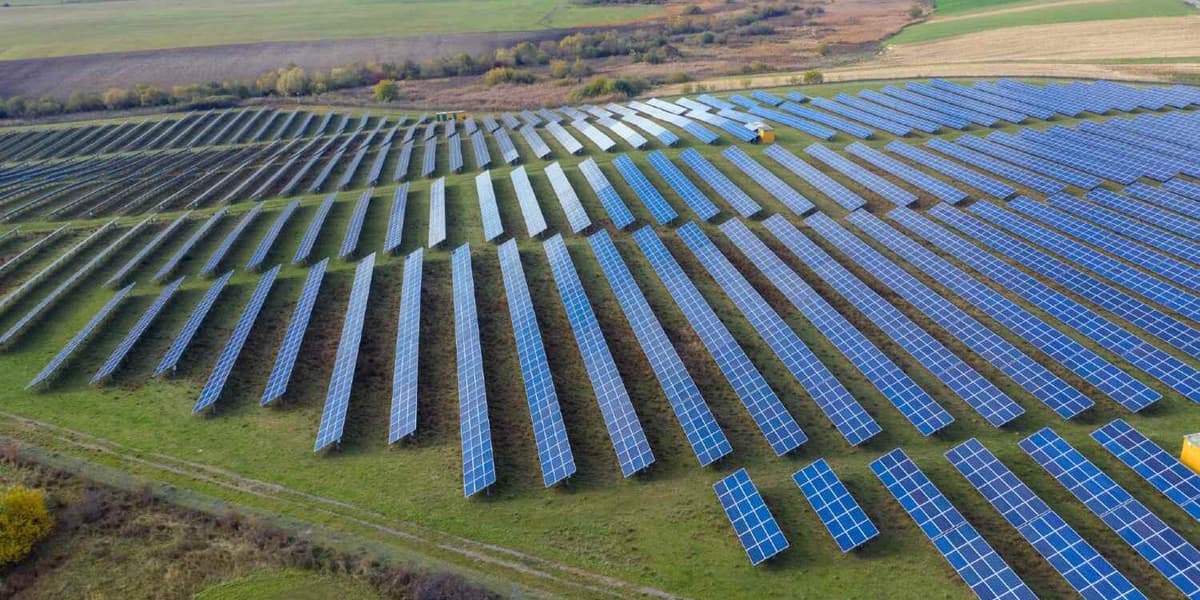
The $1.5 billion package will fund a 900‑megawatt portfolio split evenly among coal‑fired, solar and wind plants, each slated for 300 MW. If built on schedule, the addition would lift Zambia’s installed capacity toward its 10 GW target for 2031, a threshold deemed essential for meeting rising domestic demand and positioning the country as a net exporter to neighboring markets. Feasibility studies slated for June 2026 will assess site suitability and grid integration, while the Chinese partner asserts it can deliver all three projects concurrently, leveraging its engineering and financing expertise.
Beyond the immediate capacity boost, the project underscores Zambia’s ambition to become a regional energy hub, a role that could attract manufacturing and mining investments reliant on reliable power. However, the inclusion of a coal component raises environmental concerns and may clash with global decarbonisation pressures, prompting calls for carbon‑capture measures or a future shift toward cleaner baseload options. Policymakers will need to balance short‑term supply security with long‑term sustainability, while monitoring how the China‑Zambia partnership influences broader FDI flows into Southern Africa’s infrastructure landscape.
Zambia Secures $1.5bn Energy Investment to Expand Power Generation Capacity
Comments
Want to join the conversation?
Loading comments...