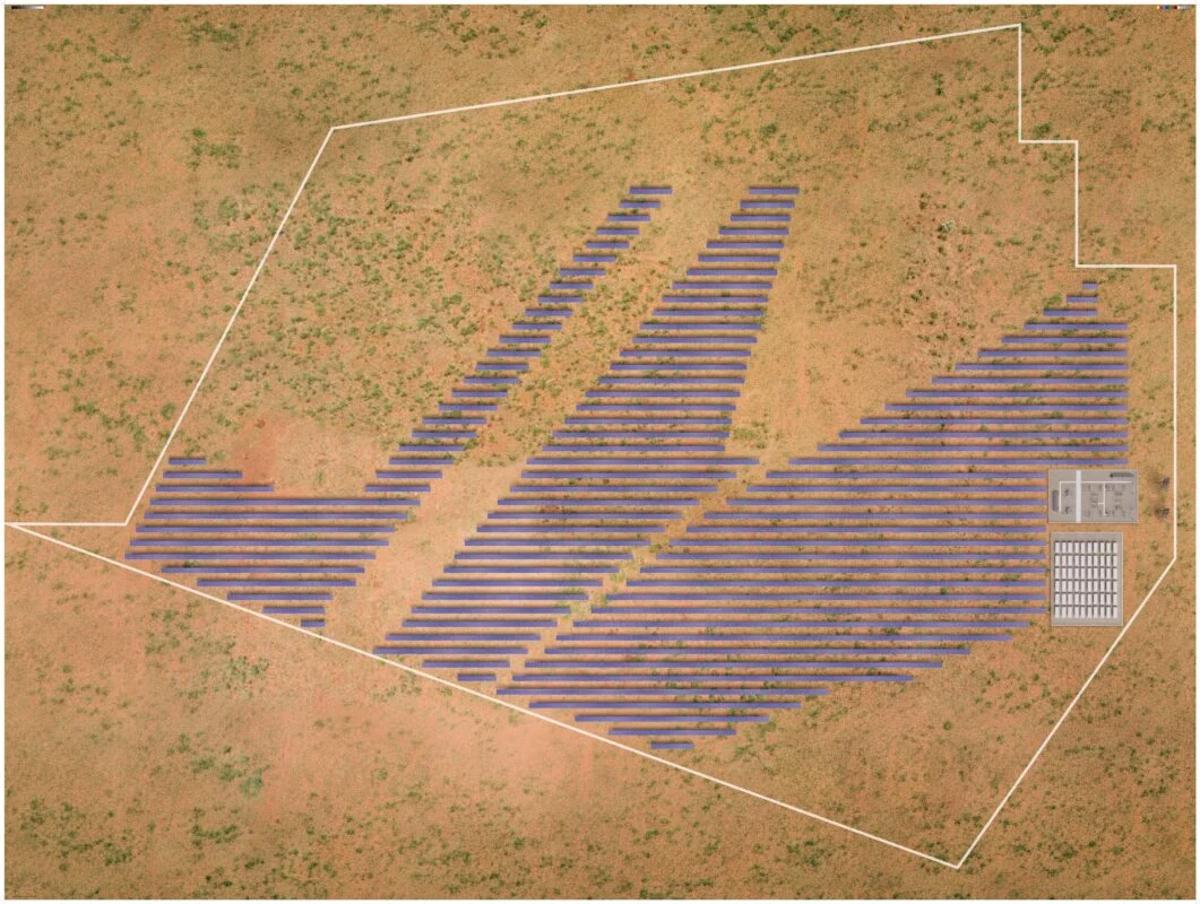
Zambia’s President Launches Country’s Largest Hybrid Solar-Plus-Storage Project
Companies Mentioned
Why It Matters
The hybrid plant diversifies Zambia’s generation mix, cuts reliance on diesel, and provides ancillary services that improve grid reliability for industrial growth. It also signals that large‑scale storage is becoming financially viable across Africa as electricity prices rise.
Key Takeaways
- •$315 M hybrid project combines 250 MW solar and 150 MW battery
- •Financial close targeted by end‑2024; construction slated for 2026‑27
- •Will create ~200 construction jobs and 20 permanent O&M roles
- •Enhances grid stability, frequency regulation, and peak‑demand relief
- •Demonstrates growing bankability of African storage amid rising electricity costs
Pulse Analysis
Zambia’s energy landscape has long been dominated by hydro and diesel, leaving the grid vulnerable to seasonal fluctuations and high operating costs. Recent legislative reforms—streamlining permitting and offering clearer power purchase terms—have unlocked financing for projects that were previously shelved. Leopards Hill taps into the country’s abundant solar irradiance, estimated at over 2,200 kWh/m² annually, and pairs it with a sizable battery system to smooth intermittent output. By integrating 150 MW of storage, the plant can deliver frequency regulation, voltage support, and peak‑shaving, directly addressing the reliability challenges that have hampered industrial investors, especially in the mining sector.
The hybrid configuration delivers both energy and flexibility. The 250 MWp solar array will generate roughly 500 GWh per year, while the 600 MWh battery can discharge for up to four hours, providing a rapid response to grid disturbances. This capability reduces the need for costly standby generators and lowers overall system costs for ZESCO, the national utility. Moreover, the project promises around 200 construction jobs and 20 long‑term O&M positions, injecting skilled labor into the local economy and fostering a nascent renewable‑services ecosystem.
Leopards Hill reflects a broader African shift where falling battery prices are making solar‑plus‑storage commercially competitive. Across the continent, electricity tariffs have risen, prompting utilities and private off‑takers to seek alternatives that guarantee 24/7 power. Investors are increasingly viewing storage as a de‑risking asset, improving the bankability of renewable projects. As Zambia moves toward a gigawatt of solar capacity, the success of this hybrid venture could catalyze further private‑sector participation, accelerating the continent’s transition to a low‑carbon, resilient energy future.
Zambia’s president launches country’s largest hybrid solar-plus-storage project
Comments
Want to join the conversation?
Loading comments...