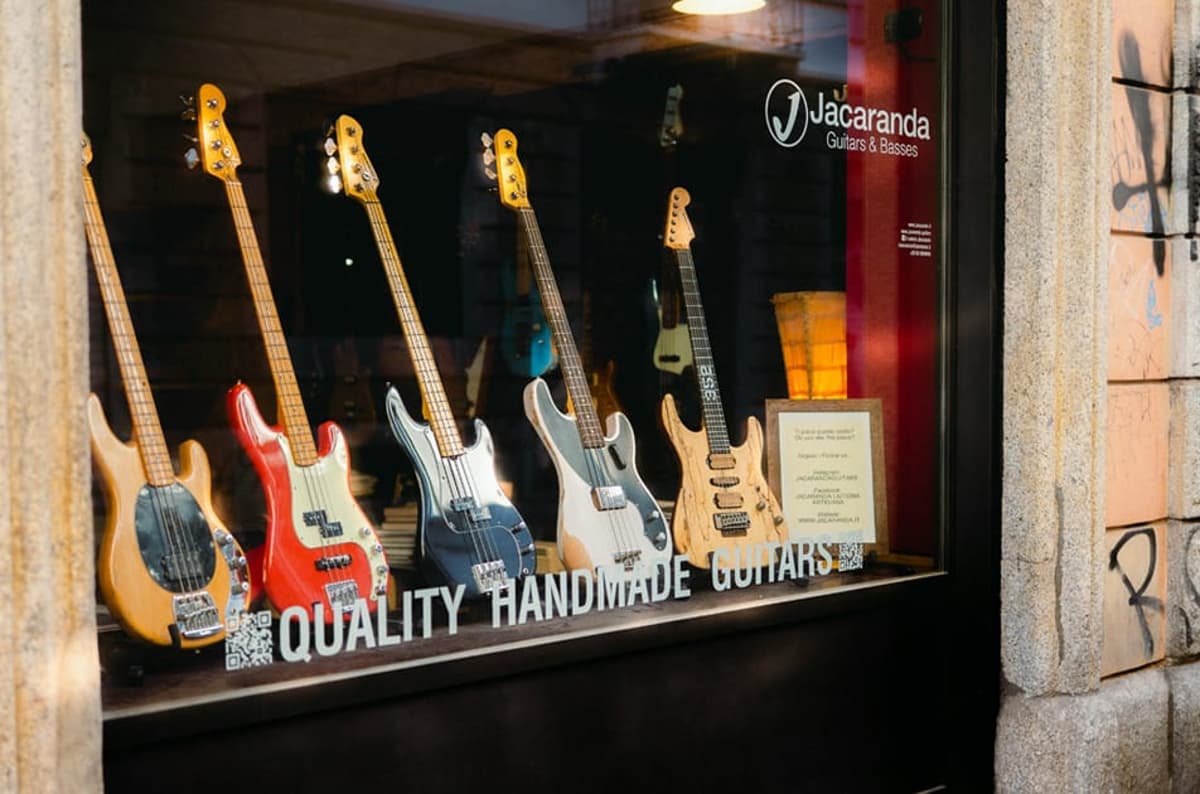
How Music Retailers Can Deal With Tariffs and Save Their Customers
•March 3, 2026
0
Key Takeaways
- •15% tariff imposed for 150 days despite court ruling
- •Online marketplaces boost visibility for small music retailers
- •In‑store expertise converts transactions into lasting customer relationships
- •Unified inventory across channels ensures pricing consistency
- •Diversified sales channels improve resilience against economic headwinds
Summary
Independent music retailers are grappling with a new 15% tariff imposed for 150 days after the Supreme Court struck earlier duties, while consumer confidence stays weak and industry consolidation accelerates. Vendors have raised prices and tightened MAP policies, squeezing margins for small and mid‑size shops. To survive, retailers are urged to broaden sales channels through robust e‑commerce sites and marketplaces, and to double down on the in‑store experience that only knowledgeable staff can provide. Integrating digital and physical touchpoints creates a seamless customer journey that mitigates tariff pressure.
Pulse Analysis
The recent executive order reinstating a 15% tariff on imported musical goods has reignited cost pressures that many independent retailers struggled to absorb after the Supreme Court’s earlier decision. While the tariff is temporary, its timing coincides with fragile consumer confidence and a wave of consolidation that favors larger chains. Retailers that rely solely on traditional pricing models risk eroding margins, prompting a strategic pivot toward value‑added services and diversified revenue streams.
Expanding beyond the brick‑and‑mortar footprint is no longer optional. A well‑optimized website paired with presence on niche marketplaces such as Reverb and broader platforms like Google Shopping can dramatically increase product discoverability. These channels not only capture customers who never set foot in the store but also provide data insights for inventory planning and targeted promotions. By leveraging online tools, small shops can compete on visibility rather than price, turning digital traffic into foot traffic and vice‑versa.
Nevertheless, the tactile nature of music gear means the in‑store experience remains a critical differentiator. Staff who can demonstrate instruments, offer personalized advice, and provide post‑sale services create relationships that online competitors cannot replicate. When retailers synchronize inventory, pricing, and branding across both digital and physical realms, they deliver a cohesive journey that builds trust and loyalty. This integrated approach equips independent music retailers to weather tariff volatility and emerging market challenges, positioning them for sustainable growth.
Comments
Want to join the conversation?