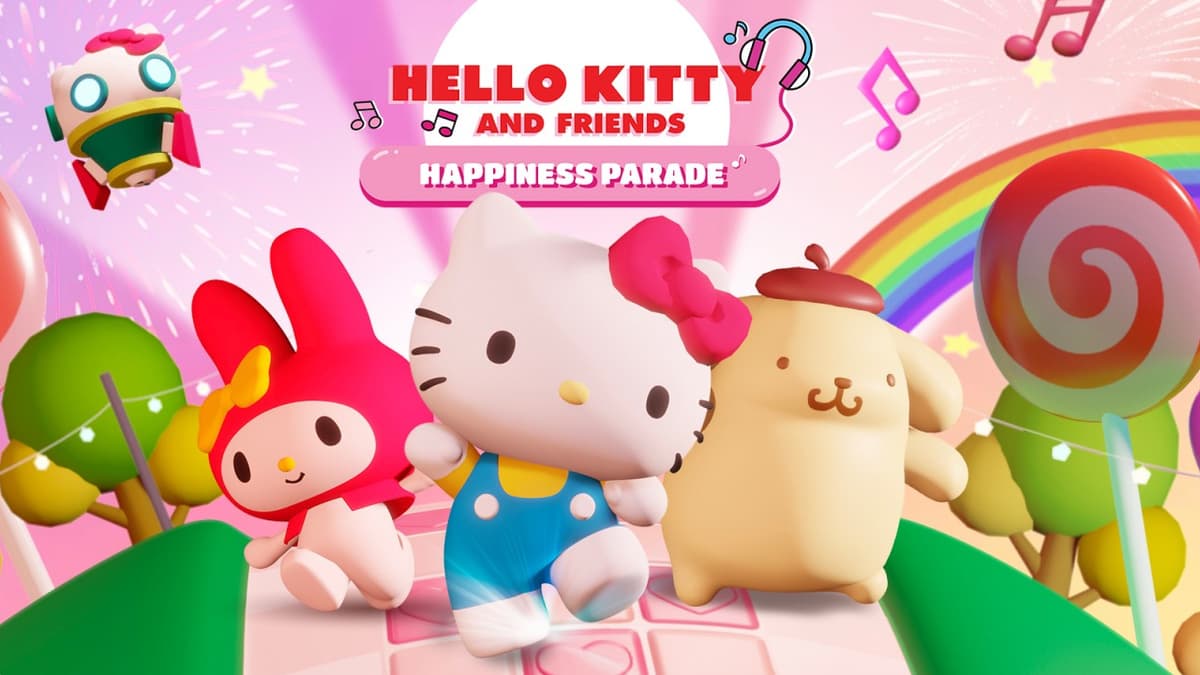
Netflix Shutting Down and Removing Its Hello Kitty Mobile Game
•February 19, 2026

0
Key Takeaways
- •Hello Kitty game leaves Netflix March 17, 2026
- •Licensing agreements dictate Netflix Games removal schedule
- •Over 50 titles removed from Netflix library to date
- •Game remains on Switch; mobile re‑release uncertain
- •Saves won’t transfer if game relaunches outside Netflix
Summary
Netflix will remove the mobile rhythm game Hello Kitty and Friends: Happiness Parade on March 17, 2026, with the last playable day on March 16. The title, launched on the platform in November 2022, amassed over one million Android installs. Its departure underscores Netflix’s reliance on time‑bound licensing for third‑party games, a pattern seen with recent removals like Tomb Raider: Reloaded. While the game stays available on Nintendo Switch, a standalone mobile release remains unconfirmed.
Pulse Analysis
Netflix’s gaming arm has long leaned on licensing deals to quickly expand its catalog, but each contract comes with an expiration date. When a title’s window closes, the platform must either renegotiate terms or pull the game, mirroring the lifecycle of its movies and series. Hello Kitty and Friends: Happiness Parade’s exit is a textbook example, illustrating how third‑party titles are vulnerable to these time‑bound agreements, regardless of their popularity or install base.
The broader strategic shift at Netflix suggests a pivot toward original, in‑house games that can be retained indefinitely. By investing in exclusive IPs like Grand Theft Auto and Squid Game: Unleashed, the streamer aims to reduce reliance on external publishers and protect its gaming ecosystem from abrupt removals. This approach could improve subscriber retention, as gamers are less likely to lose access to beloved titles, but it also requires substantial development budgets and risk management.
For developers, the Netflix model offers a massive audience but comes with the trade‑off of limited exposure duration. Rogue Games, the publisher behind Hello Kitty, may leverage the Switch version and a potential standalone mobile launch to recapture players, yet any new release will likely forfeit saved progress from the Netflix version. Consumers, meanwhile, must stay vigilant about licensing expirations, especially for games that serve as entry points to broader franchises. Understanding these dynamics helps both creators and users navigate the evolving landscape of streaming‑based gaming.
Comments
Want to join the conversation?