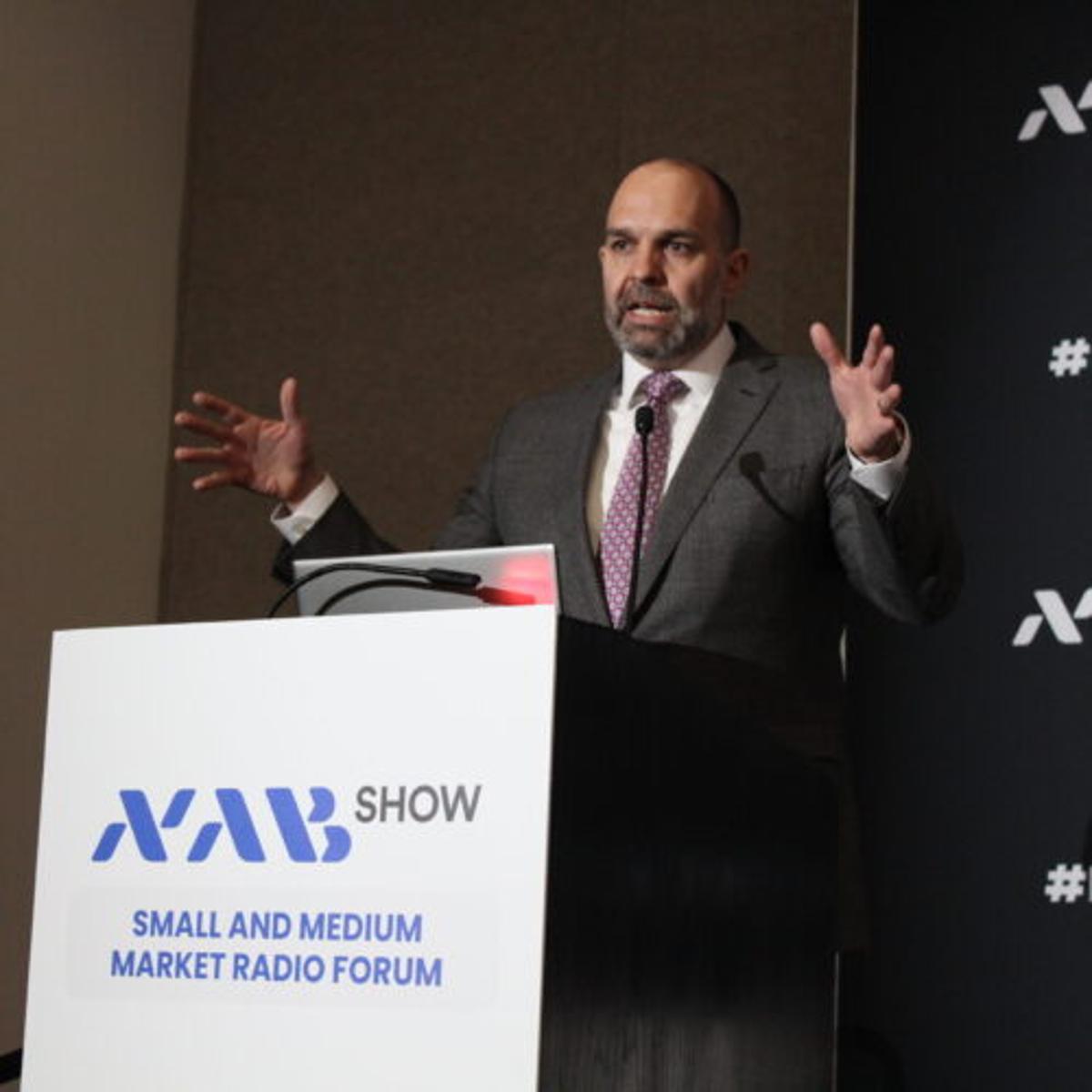
A LeGeyt View Of The ABCs Of FCC Regulatory Policy
Companies Mentioned
Why It Matters
The deadline forces Disney to address licensing issues quickly, affecting its broadcast operations and revenue streams. It also signals how the FCC may accelerate enforcement, influencing all broadcasters’ compliance strategies.
Key Takeaways
- •FCC set May 28 deadline for Disney's ABC station license renewal
- •NAB CEO urges swift compliance to avoid regulatory penalties
- •Order issued by Video Division Chief, two levels below full Commission
- •Early renewal proceeding could set precedent for future broadcaster disputes
- •Disney faces potential fines if deadline missed, affecting ad revenue
Pulse Analysis
The FCC’s license‑renewal framework requires broadcasters to periodically prove that they serve the public interest, convenience, and necessity. While most renewals are routine, the commission can initiate an early proceeding when it believes a station’s compliance is in question. By directing Disney’s ABC‑owned stations to respond by May 28, the agency is leveraging its delegated authority to accelerate the review, a move that bypasses the usual multi‑year cycle and places heightened scrutiny on one of the nation’s largest media owners.
Disney’s position is delicate. The company’s broadcast portfolio underpins a significant share of its advertising revenue and cross‑platform synergies. Missing the FCC deadline could trigger monetary penalties, conditional operating restrictions, or even a temporary suspension of broadcast authority. Such outcomes would not only dent Disney’s bottom line but also disrupt affiliate relationships and audience reach. The NAB’s leadership, by publicly commenting, is signaling solidarity with broadcasters while urging the commission to balance enforcement with industry stability.
The broader implication for the broadcast sector is a potential shift toward more proactive FCC oversight. If the early‑renewal precedent sticks, other large owners may face similar expedited reviews, prompting them to bolster compliance teams and pre‑emptively address content, ownership, and technical standards. For investors and advertisers, heightened regulatory activity introduces a new risk factor that could influence valuation models and media buying strategies. Stakeholders should monitor the FCC’s next steps closely, as the outcome will shape the regulatory landscape for television broadcasting in the coming years.
A LeGeyt View Of The ABCs Of FCC Regulatory Policy
Comments
Want to join the conversation?
Loading comments...