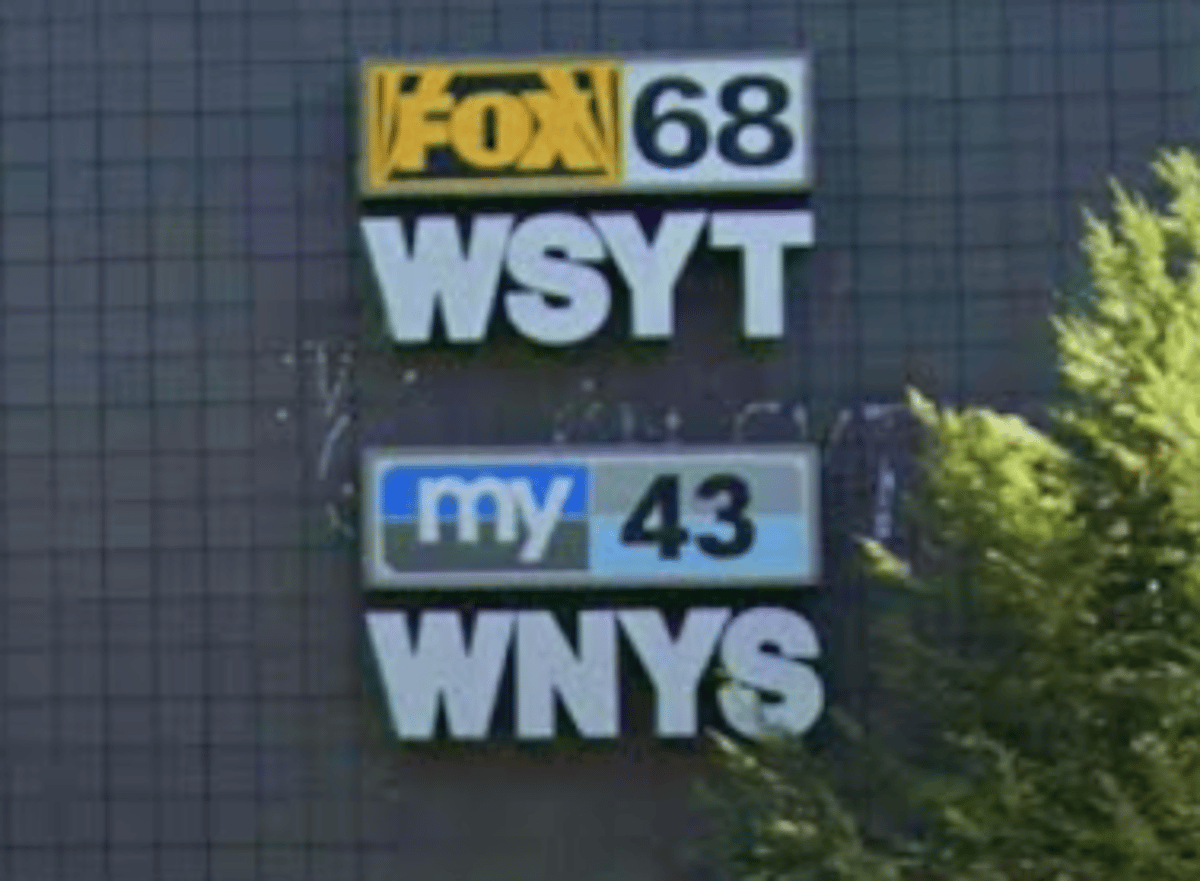
A Possible Retrans Tussle Irks The ATVA
Companies Mentioned
Why It Matters
A blackout would deprive thousands of viewers of essential local content and could pressure both broadcasters and distributors to renegotiate fee structures industry‑wide.
Key Takeaways
- •ATVA warns of potential blackout of FOX, MyNetwork in Central NY
- •Verizon FiOS may be forced to drop affiliates without new consent deal
- •Retransmission talks have stalled, raising risk of legal action
- •Viewers could lose access to local news and sports on FiOS
- •Dispute underscores industry tension over rising broadcast carriage fees
Pulse Analysis
Retransmission consent is a regulatory framework that allows broadcasters to negotiate fees with cable and satellite providers for the right to carry their over‑the‑air signals. Since the 1992 Cable Act, these negotiations have become a major revenue source for broadcasters while adding cost pressure on distributors. The American Television Alliance (ATVA), a lobbying coalition representing cable operators, frequently steps in when negotiations stall, arguing that fees should reflect market realities rather than inflated demands. As streaming alternatives grow, the balance of power in these talks is increasingly contested.
The latest flashpoint involves the FOX and MyNetwork TV affiliates that serve Central New York. ATVA warns that without a renewed retransmission consent agreement, Verizon FiOS could be compelled to pull these stations from its lineup, effectively blacking out local news, sports and syndicated programming for thousands of subscribers. Verizon has signaled willingness to negotiate but insists on fee structures that align with its broadband pricing strategy. If talks collapse, the dispute could trigger a formal complaint to the Federal Communications Commission, adding legal risk and potential penalties for both parties.
Beyond the regional impact, the standoff reflects a national trend of broadcasters seeking higher carriage fees as advertising revenues shift to digital platforms. Cable operators, meanwhile, argue that rising fees erode consumer affordability and could accelerate cord‑cutting. Analysts predict that prolonged deadlocks may push providers toward alternative content bundles or even over‑the‑air antenna promotions to retain viewers. Stakeholders are watching closely, as the outcome could set a precedent for future negotiations across the United States.
A Possible Retrans Tussle Irks The ATVA
Comments
Want to join the conversation?
Loading comments...