After Raising $5M, Adobe-Backed Tamber Officially Launches Its AI Music-Making Platform
Why It Matters
Tamber’s assistive approach offers artists a legally safe, ethically sourced AI tool, potentially reshaping how the music industry adopts AI while sidestepping copyright disputes. Its launch could accelerate investment in non‑generative AI solutions that enhance, rather than replace, human creativity.
Key Takeaways
- •Tamber secured $5 M from Adobe Ventures, M13, Rackhouse, others.
- •Platform adds “sonic intelligence” layer, translating abstract prompts into sound.
- •Tamby learns user habits, automates DAW parameters in real time.
- •Sound library built from original field recordings, no copyrighted samples.
- •Launch counters generative AI tools, emphasizing ethical, artist‑first approach.
Pulse Analysis
The AI‑music market has been dominated by generative platforms that produce complete tracks, often using copyrighted material for training. Tamber’s $5 million infusion—led by Adobe Ventures and joined by M13, Rackhouse, Gaingels, and IAG Capital—signals investor confidence in a different model: assistive tools that integrate directly into artists’ existing workflows. By positioning itself as a "sonic intelligence" layer, Tamber sidesteps the legal gray zones that have plagued rivals, offering a solution that respects intellectual property while still leveraging machine learning.
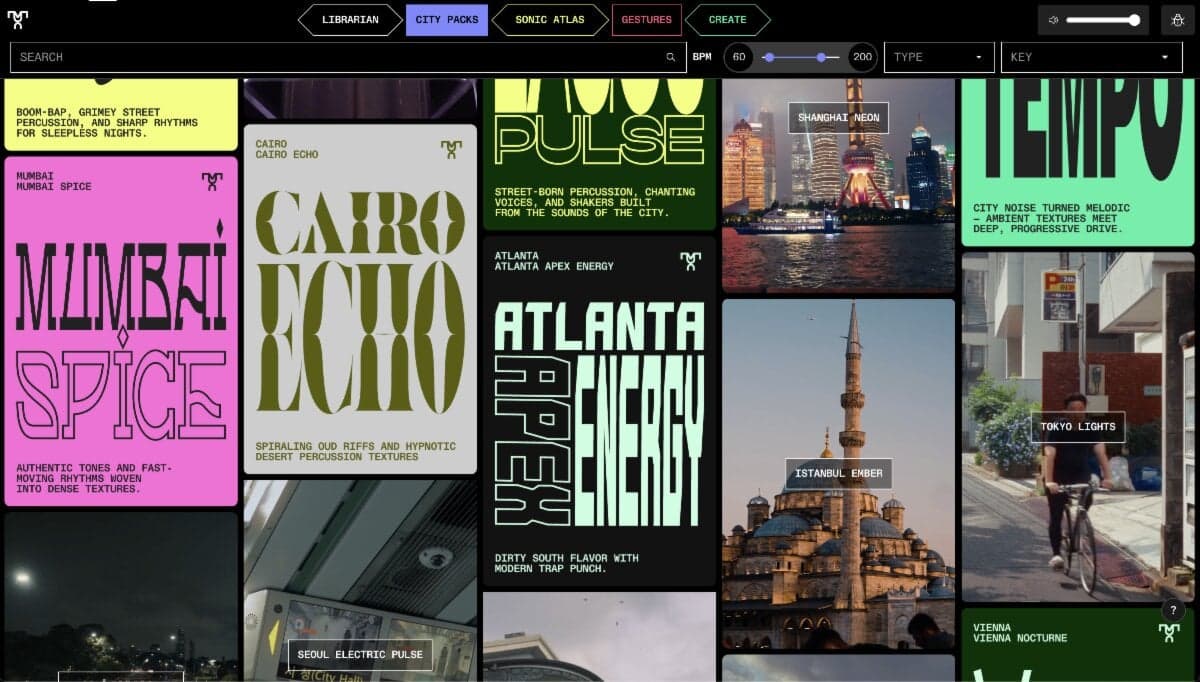
At the heart of Tamber’s suite is Tamby, a digital thought partner that observes an artist’s habits, from vocal chain preferences to common bottlenecks, and offers real‑time suggestions. Users can issue abstract prompts—"feels blue" or "sounds like rain in São Paulo"—and the system translates them into melodic, harmonic, or rhythmic elements. A gesture‑based interface acts like a "bionic arm," allowing musicians to shape sound mid‑air, while the curated library of field recordings ensures every sample is original and traceable. This blend of AI assistance and ethically sourced content aims to empower creators without compromising artistic integrity.
The launch arrives as the AI‑music sector sees a surge of funding—Just 4 Noise’s $1 M raise, Hook’s $10 M Series A, and ElevenLabs’ $500 M round at an $11 B valuation—yet many of these players face lawsuits over copyrighted training data. Tamber’s non‑generative stance could set a new benchmark, attracting artists wary of legal risk and investors seeking sustainable growth. If adopted widely, its model may push the industry toward a hybrid future where AI augments human creativity rather than replaces it, reshaping both product development and royalty frameworks.
After raising $5M, Adobe-backed Tamber officially launches its AI music-making platform
Comments
Want to join the conversation?
Loading comments...