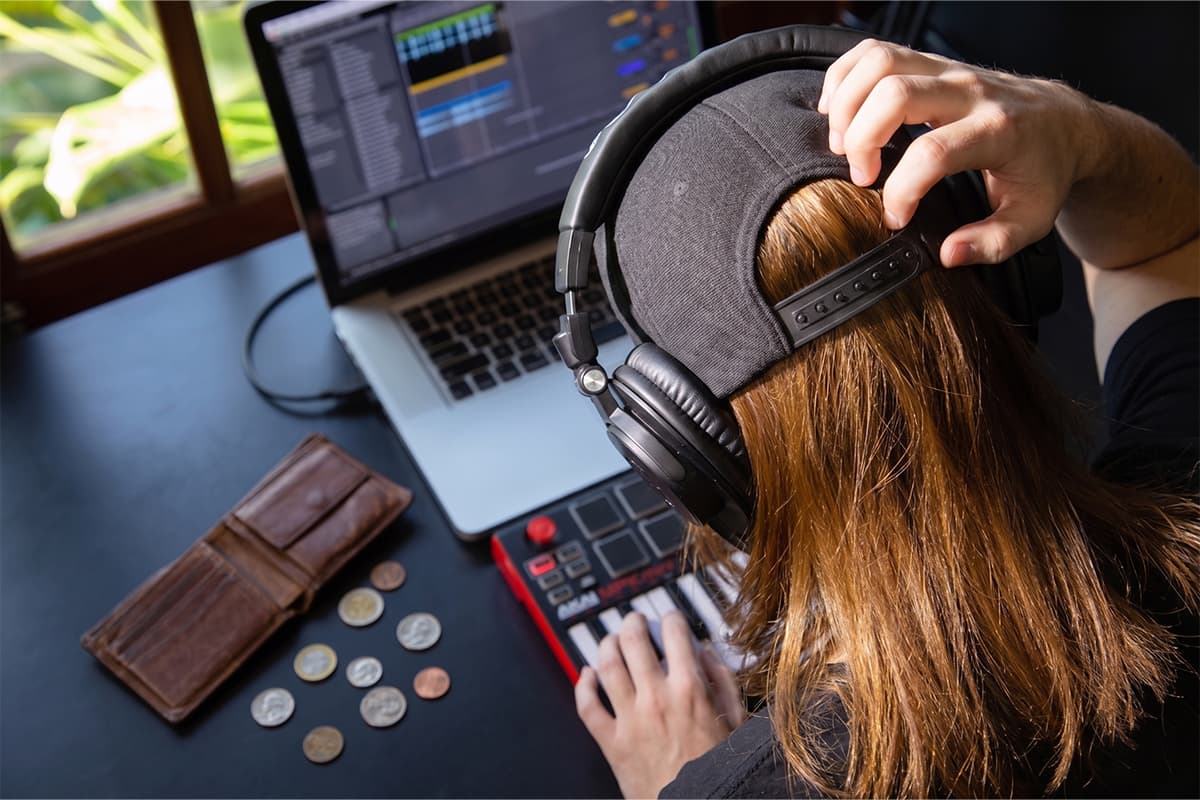
AI Is Already Training on Music. The Real Question Is: Who Gets Paid?
Why It Matters
If creators cannot capture value from the data that powers AI, incentives to produce new music weaken, threatening the entire ecosystem and inviting regulatory intervention.
Key Takeaways
- •AI models train on millions of songs without artist consent
- •87% of musicians already incorporate AI tools in their workflow
- •LANDR's Fair Trade AI offers opt‑in training and revenue sharing
- •Lack of compensation threatens trust in the music ecosystem
- •Distribution platforms can enforce transparent AI economies for creators
Pulse Analysis
Generative AI’s appetite for music data has outpaced the industry’s ability to track and compensate the original creators. Platforms scrape billions of tracks, stems, and vocal takes to train models that can compose, remix, or master songs in seconds. Because most artists receive no notification that their work is part of these datasets, a silent extraction layer is forming, raising ethical and legal questions that go beyond simple copyright infringement. The speed of adoption—evidenced by a recent survey showing 87% of musicians using AI in some capacity—means the financial disconnect will only widen unless a governance framework is introduced.
Enter the emerging model of opt‑in, transparent AI economies championed by distribution services like LANDR. By embedding consent, attribution, and revenue‑sharing mechanisms directly into the catalog management workflow, these platforms can turn passive data extraction into an active revenue stream for rights holders. LANDR’s Fair Trade AI program, for example, lets artists elect to contribute their recordings to training datasets and earn a share of the downstream profits whenever the AI generates commercial output. This approach leverages the existing royalty infrastructure, ensuring that payments flow through familiar channels while giving creators visibility into how their work is used.
The stakes extend beyond individual payouts. A persistent compensation gap could erode the trust that fuels the collaborative nature of music creation, prompting stricter regulation that may stifle innovation. Early adopters who embed fair‑trade principles will shape industry standards and capture first‑mover advantage, while laggards risk being sidelined by a new, AI‑driven value chain. Policymakers are already examining data‑use rights, but the industry must act now to align incentives, preserve artistic vitality, and turn AI from a potential liability into a sustainable growth engine.
AI Is Already Training on Music. The Real Question Is: Who Gets Paid?
Comments
Want to join the conversation?
Loading comments...