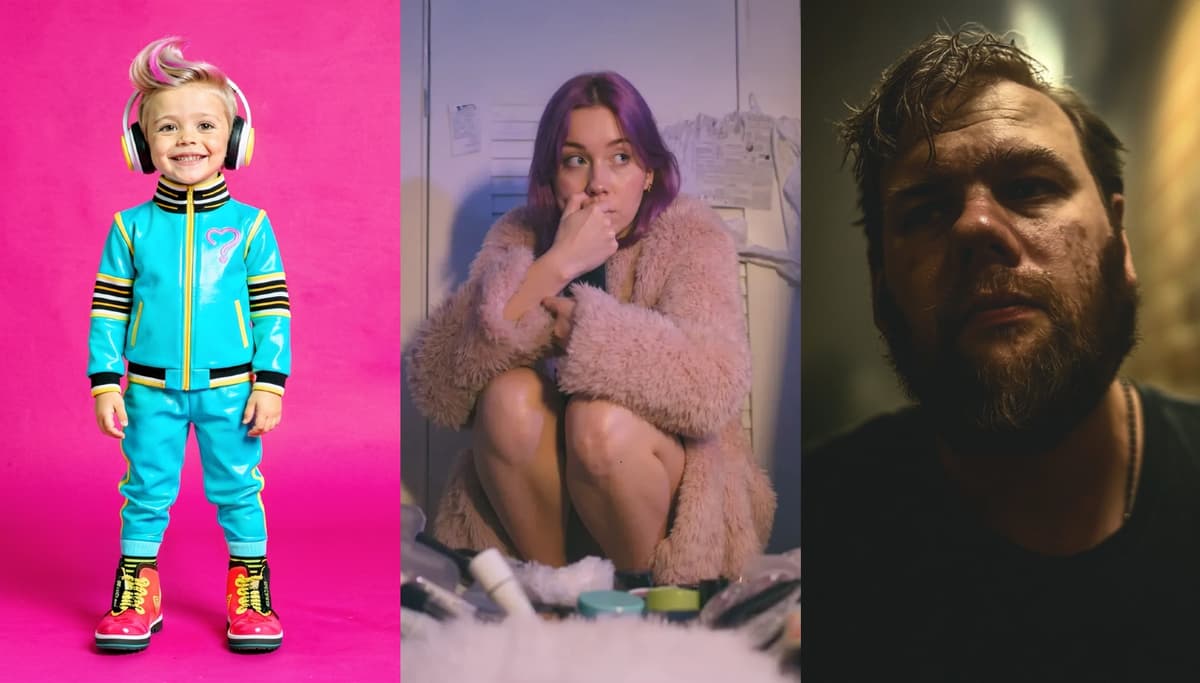
AI-Music Artists Get Their Own Accelerator From Prose Ventures
•March 4, 2026
0
Why It Matters
The accelerator validates AI‑augmented music as a viable commercial asset, attracting venture interest and expanding intellectual‑property opportunities for brands. It also foregrounds the ethical debate over dataset licensing, a hurdle for widespread adoption.
Key Takeaways
- •Prose launches AI music accelerator for human creators
- •Eight‑week program culminated in public demo day
- •Artists blend GenAI with traditional instruments, releasing tracks
- •Licensing concerns persist over AI‑trained datasets
- •Accelerator aims to generate IP for brands, gaming
Pulse Analysis
The emergence of dedicated accelerators for AI‑enhanced musicians signals a shift in how venture capital views creative technology. While traditional music incubators focused on distribution and marketing, Prose Ventures is betting on the synergy between human artistry and generative models. This approach mirrors broader trends in media, where startups leverage AI to accelerate content creation, reduce production costs, and unlock novel revenue streams such as licensing for games and immersive experiences.
At the core of the program is a redefinition of the creative workflow. Participants are not merely pressing a button to generate songs; they iterate, refine, and integrate AI‑driven suggestions with live instrumentation, vocal performance, and visual storytelling. Genres ranging from K‑Pop fused with ancient instruments to "Victoriandustrial Folktronica" illustrate the breadth of possibilities. By publishing their work on streaming platforms, these artists establish tangible intellectual property, positioning themselves for brand partnerships, sync deals, and cross‑media collaborations that were previously out of reach for independent musicians.
However, the accelerator’s optimism is tempered by unresolved legal and ethical challenges. Many generative models are trained on copyrighted material without clear consent, raising questions about royalty distribution and creator rights. Until industry‑wide licensing frameworks emerge, the commercial viability of AI‑generated music may face pushback from rights holders. Nonetheless, Prose’s initiative demonstrates that, with proper governance, AI can amplify human creativity and become a cornerstone of the future media ecosystem.
AI-music artists get their own accelerator from Prose Ventures
0
Comments
Want to join the conversation?
Loading comments...