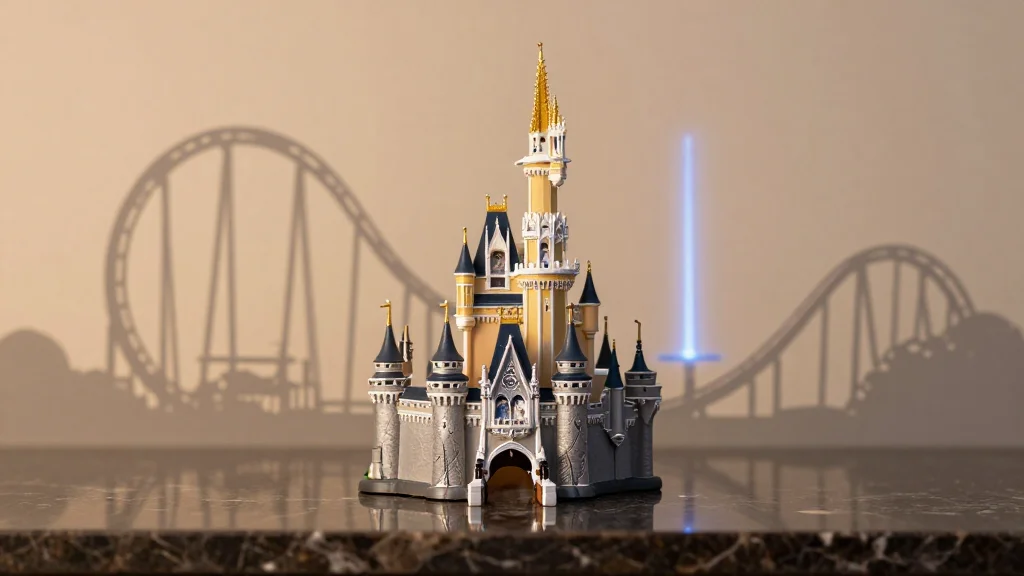
Analysts Call Disney Stock a Buy on Theme‑Park Upgrades and New Film Wins

Companies Mentioned
Why It Matters
Disney’s multi‑pronged strategy—investing heavily in its theme‑park experience, leveraging franchise film releases, and turning a profit on streaming—signals a shift from the growth‑at‑all‑costs model that weighed on margins in previous years. The $165 million opening of a lower‑budget Star Wars film demonstrates that Disney can generate strong box‑office returns without the massive spend that characterized earlier releases, improving the risk‑adjusted return on its cinematic slate. The “Perfect Crown” controversy highlights the growing influence of regional political pressures on global streaming libraries. How Disney navigates such disputes will affect its ability to acquire and distribute international content, a key driver of subscriber growth outside the United States. Together, these dynamics shape the company’s earnings outlook and inform investor sentiment in a sector where content, distribution and consumer sentiment intersect.
Key Takeaways
- •Analysts upgrade Disney to a buy despite an 8% YTD stock decline.
- •Disney World is receiving an 11‑figure investment to revamp attractions and boost guest spend.
- •Streaming unit is now profitable, offsetting legacy‑media revenue erosion.
- •Star Wars: The Mandalorian and Grogu opened with $165 million globally on a $165 million budget.
- •Disney+ drama ‘Perfect Crown’ faces a 50,000‑signature petition over historical concerns.
Pulse Analysis
Disney’s current valuation reflects a market that has been penalizing the company for a series of earnings misses and a perceived over‑reliance on legacy media. The recent analyst consensus, however, suggests that the market is beginning to price in the upside from Disney’s strategic realignment. The theme‑park capital program is not merely cosmetic; it targets higher per‑capita spend, a metric that has historically driven profitability for the experiences segment. By modernizing rides and introducing new IP‑driven experiences, Disney can extract more revenue from each visitor, a crucial lever as discretionary travel spending faces macro‑economic headwinds.
On the content side, the success of a modest‑budget Star Wars film illustrates a new operating model for franchise cinema: leverage existing IP, keep production costs disciplined, and rely on cross‑platform merchandising and streaming windows to maximize total return. This approach reduces financial risk while preserving the brand’s cultural relevance. The streaming profitability milestone further validates Disney’s shift toward a subscription‑first mindset, allowing the company to fund content without the same pressure on ad revenue.
The “Perfect Crown” episode adds a layer of complexity. As Disney expands its international catalog, it must navigate divergent cultural and political landscapes. The petition’s 50,000 signatures, while not legally binding, signal that regional backlash can quickly become a reputational and operational issue. Disney’s response—editing controversial elements rather than pulling the series—demonstrates a calibrated approach that protects creative assets while addressing public concerns. Investors will be watching how the company balances creative freedom with geopolitical sensitivities, especially as it seeks to grow its subscriber base in Asia.
Overall, the convergence of disciplined capital spending, profitable streaming, and a more efficient film slate creates a compelling narrative for a stock that has been undervalued. If Disney can sustain these trends, the upside potential could be significant, making the current buy rating a prudent entry point for long‑term investors.
Analysts Call Disney Stock a Buy on Theme‑Park Upgrades and New Film Wins
Comments
Want to join the conversation?
Loading comments...