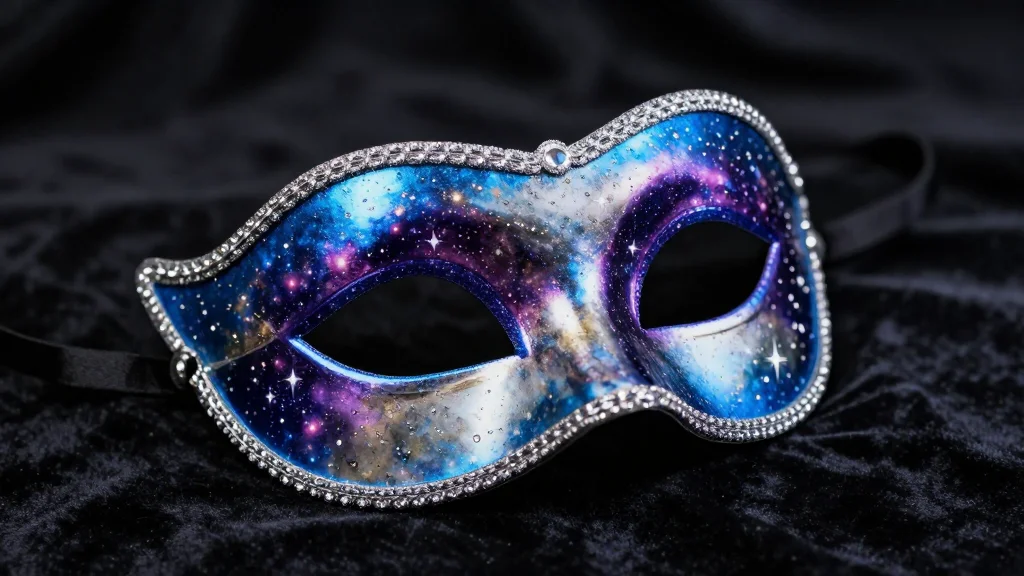
Ashlee Simpson Wins 'The Masked Singer' Season 14 as Galaxy Girl Amid Trump’s Prime‑Time Address

Why It Matters
Ashlee Simpson’s victory demonstrates the power of redemption arcs in reality television, showing that legacy artists can successfully re‑enter the cultural conversation through format‑driven competition. The win also boosts the franchise’s ratings momentum heading into its next season, reinforcing its status as a staple of network primetime. The simultaneous presidential address underscores a growing tension between live political broadcasts and entertainment programming. Networks must now weigh the risk of audience fragmentation and advertising loss against the public service obligation to air critical national updates. This dynamic could accelerate the shift toward streaming‑first releases for major events, reshaping how audiences consume live entertainment. The episode also highlights the influence of celebrity endorsement within reality formats. Jessica Simpson’s public support amplified the narrative, driving social‑media engagement and extending the show's reach beyond its core viewership. Such cross‑promotion can be a valuable lever for networks seeking to maximize audience loyalty in a crowded media environment.
Key Takeaways
- •Ashlee Simpson wins The Masked Singer Season 14, revealed as Galaxy Girl
- •Sister Jessica Simpson praised the win, calling Ashlee "always her number one fan"
- •President Trump's Iran‑war address pre‑empted the finale on all major networks
- •The scheduling clash raised concerns about ratings and ad revenue for live TV
- •The win marks a comeback for Simpson after a decade‑long career setback
Pulse Analysis
The Masked Singer’s Season 14 finale illustrates how reality TV can serve as a redemption platform for legacy artists. Ashlee Simpson’s win leverages nostalgia while delivering fresh narrative tension, a formula that has kept the franchise viable across multiple seasons. Her victory also signals that networks can still draw significant live audiences with surprise reveals, even as streaming erodes traditional appointment viewing.
However, the overlap with a presidential address reveals a structural vulnerability: live political events now command the same primetime real estate as flagship entertainment shows. Networks are forced to juggle civic responsibility with commercial imperatives, often at the expense of advertisers and viewer experience. This tension may accelerate a strategic pivot toward digital‑first or on‑demand releases for high‑stakes entertainment, preserving audience continuity while accommodating unavoidable news interruptions.
Finally, the sibling endorsement underscores the growing importance of cross‑celebrity amplification. Jessica Simpson’s on‑air support generated a social‑media ripple that extended the finale’s reach beyond the broadcast window, illustrating how personal brand alliances can boost a program’s cultural footprint. As networks seek to protect viewership in an increasingly fragmented media landscape, leveraging such organic celebrity advocacy could become a key tactic for sustaining audience engagement.
Ashlee Simpson Wins 'The Masked Singer' Season 14 as Galaxy Girl Amid Trump’s Prime‑Time Address
Comments
Want to join the conversation?
Loading comments...