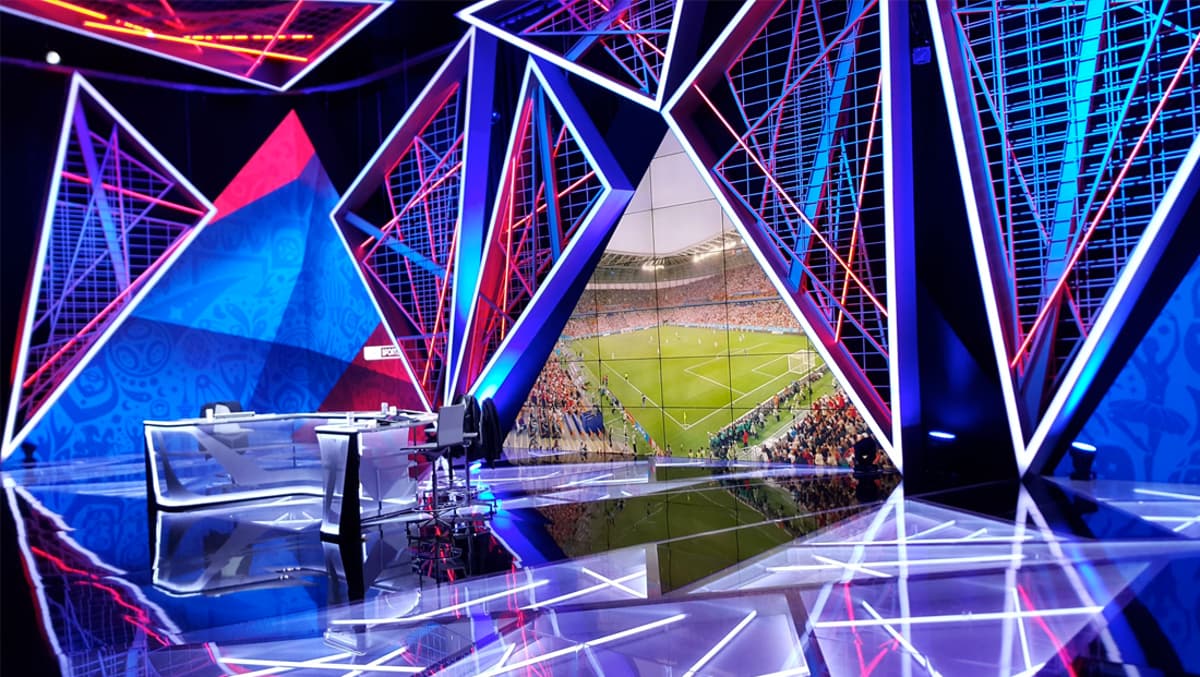
BeIN Sports Appeals Ruling in Ligue 1 Payment Dispute
•March 9, 2026
0
Why It Matters
The appeal underscores the financial risk broadcasters face when rights contracts are contested, and signals a major shift in French football’s distribution model toward direct‑to‑consumer streaming.
Key Takeaways
- •beIN Sports must pay €15 million to LFP Media
- •Appeal targets Paris Commercial Court decision on Ligue 1 rights
- •Dispute stems from withheld €4.71 million payments over value concerns
- •Ligue 1+ platform will replace beIN Sports next season
- •Broadcasters also contest €660 million claim over Amazon deal
Pulse Analysis
The French football market has long been dominated by traditional pay‑TV operators, but the beIN Sports dispute highlights how contractual nuances can quickly become costly litigation. By withholding a portion of its €18 million installments, beIN argued that the LFP’s restrictions on exploitation eroded the commercial value of the Saturday package. The Paris Commercial Court’s decision to enforce full payment, plus interest, reinforces the principle that broadcasters must honor agreed sums unless a contract is renegotiated, not unilaterally re‑valued.
Financially, the €15 million settlement represents a significant outlay for beIN Sports, especially as it prepares to lose exclusive Ligue 1 rights to the league’s own Ligue 1+ service. The upcoming platform, priced at €14.99 per month and slated for a price increase, reflects a broader industry trend toward direct‑to‑consumer models that bypass legacy distributors. For beIN, the appeal is both a defensive maneuver to mitigate precedent‑setting losses and a strategic effort to keep negotiating leverage in future rights deals across Europe.
Beyond the immediate case, the litigation illustrates the escalating complexity of sports media rights in an era of streaming competition. Broadcasters like Canal+ and beIN are simultaneously challenging the LFP’s 2021 Amazon partnership, a €660 million claim that underscores the high stakes of digital distribution agreements. As leagues increasingly control their own content pipelines, traditional broadcasters must adapt, either by securing more flexible contracts or by investing in proprietary platforms. The outcome of beIN’s appeal will likely influence how future European football rights are structured, priced, and litigated.
beIN Sports appeals ruling in Ligue 1 payment dispute
0
Comments
Want to join the conversation?
Loading comments...