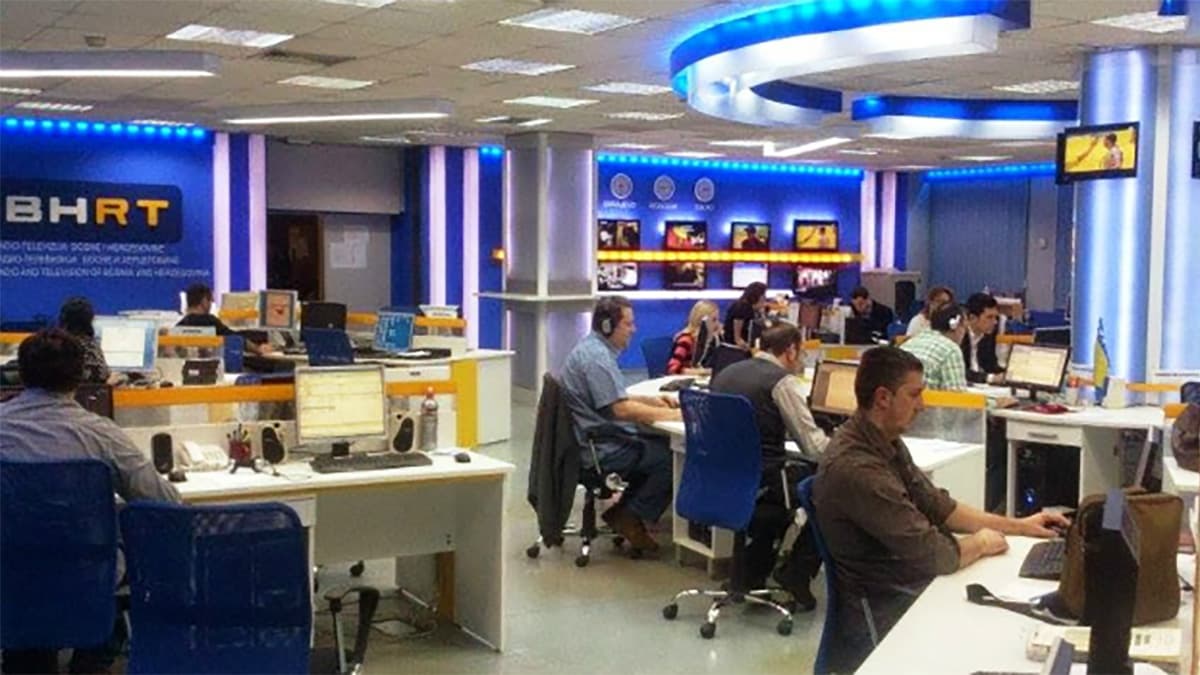
Bosnia State Broadcaster BHRT Halts Programming in Funding Crisis Protest
•February 27, 2026
0
Why It Matters
The loss of BHRT threatens media pluralism and democratic stability in a country already grappling with ethnic division, especially as national elections approach. It also signals a broader risk to European standards for public‑service broadcasting.
Key Takeaways
- •BHRT halted TV and radio broadcasts on Feb 26.
- •Funding shortfall leaves broadcaster with empty accounts.
- •Licence‑fee arrears and political gridlock caused crisis.
- •Closure would leave Bosnia EU’s only broadcaster‑less nation.
- •International bodies warn democratic stability at risk.
Pulse Analysis
Bosnia and Herzegovina’s public service broadcaster, BHRT, went dark on 26 February, replacing its schedule with a stark black screen and a warning message. The shutdown is the latest symptom of a chronic financing problem rooted in the country’s post‑war media architecture, where licence‑fee revenues are collected separately by the two entities and only partially transferred to the state‑level outlet. Years of delayed payments, coupled with entrenched political opposition to a unified broadcaster, have drained BHRT’s cash reserves, leaving its accounts effectively empty.
The timing of the crisis is particularly acute as Bosnia prepares for national elections in October, when an independent media voice is essential for informed voting. Without BHRT, the country would become the only European Union member without a national public broadcaster, a status that could undermine its democratic credentials and media pluralism. The European Broadcasting Union and other watchdogs have warned that the loss of a state‑level service would weaken journalistic standards, reduce coverage of minority issues, and erode public trust in the media ecosystem.
International donors and the EU have signaled willingness to intervene, but any rescue plan must address the underlying funding structure. Proposals include consolidating licence‑fee collection at the state level, establishing an independent financing board, and guaranteeing timely budget allocations regardless of political shifts. Civil society groups are mobilising public campaigns to pressure lawmakers, while neighboring broadcasters have offered technical assistance to keep essential services running. A swift, transparent solution would not only safeguard BHRT’s survival but also reinforce Bosnia’s commitment to European media standards and democratic resilience.
Bosnia state broadcaster BHRT halts programming in funding crisis protest
0
Comments
Want to join the conversation?
Loading comments...