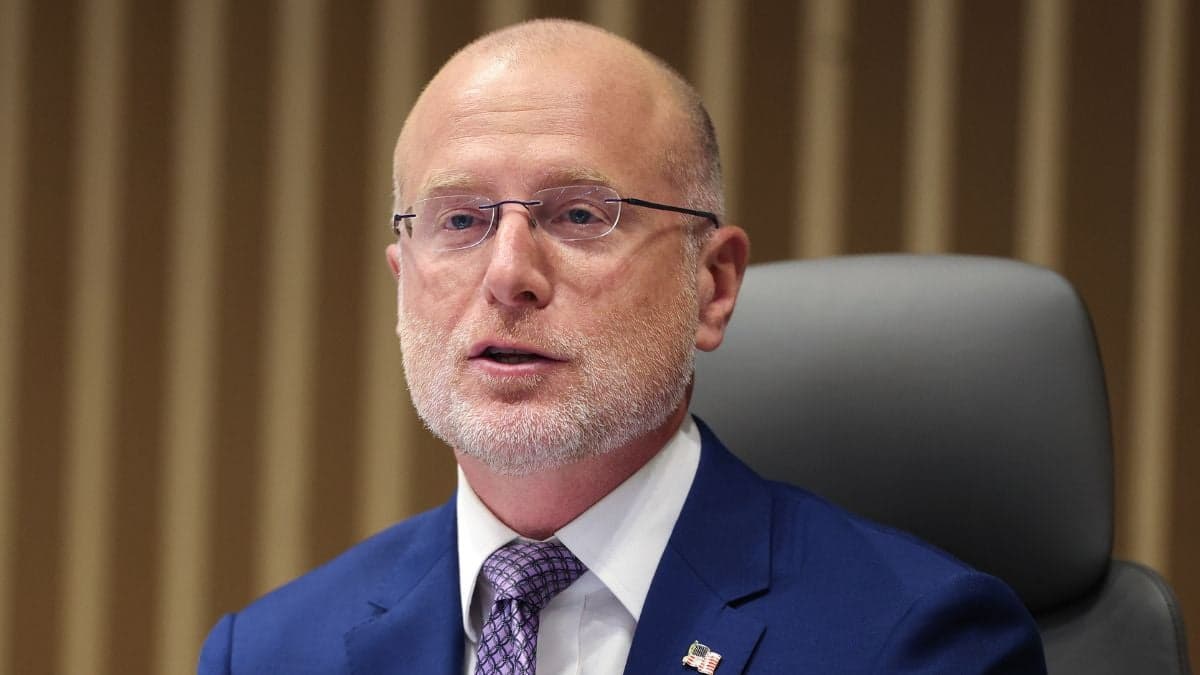
Brendan Carr Slammed by CNBC Host Over FCC’s Early ABC Renewal Request: ‘You’re Not Trying to Get Disney to Fire Kimmel?’ | Video
Why It Matters
The dispute pits federal regulatory authority against broadcast free‑speech protections, raising stakes for media companies and political actors alike. A precedent of using licensing reviews as a political tool could reshape the landscape of American journalism.
Key Takeaways
- •FCC’s early‑renewal order targets ABC’s DEI policies, not Kimmel’s jokes
- •ABC alleges the order infringes First Amendment rights
- •First mass early‑renewal request in over four decades
- •Industry watches for potential chilling effect on broadcast speech
- •Carr maintains enforcement motive, despite political timing concerns
Pulse Analysis
The FCC’s unprecedented request for simultaneous early license renewals from ABC’s eight stations has ignited a constitutional flashpoint. Historically, the commission only intervened in isolated cases, making this collective action the first since the 1980s. By framing the inquiry around DEI compliance, the agency claims a legitimate investigative purpose, yet critics argue the timing—immediately after former President Trump demanded the firing of Jimmy Kimmel—suggests a punitive motive aimed at silencing dissent. This context underscores the delicate balance between regulatory oversight and the First Amendment’s shield against government overreach.
For broadcasters, the stakes are high. An early renewal order forces stations to allocate legal and administrative resources to a process that could, in theory, lead to license challenges or revocation. While the FCC asserts it is merely gathering information, ABC’s protest filing contends the order is "unlawful, arbitrary, and unconstitutional," warning that such actions could set a chilling precedent. If regulators can leverage licensing power to pressure networks over content, media outlets may self‑censor to avoid regulatory scrutiny, reshaping editorial decisions across the industry.
Politically, the episode reflects broader tensions between the current administration’s media criticism and institutional checks on power. The public debate, amplified by Sara Eisen’s on‑air grilling of Carr, highlights concerns that regulatory tools could be weaponized against outlets that challenge the government. As courts and Congress watch, the outcome will signal whether the FCC can continue to use its licensing authority as a lever for policy enforcement or must retreat to protect the constitutional guarantee of a free press.
Brendan Carr Slammed by CNBC Host Over FCC’s Early ABC Renewal Request: ‘You’re Not Trying to Get Disney to Fire Kimmel?’ | Video
Comments
Want to join the conversation?
Loading comments...