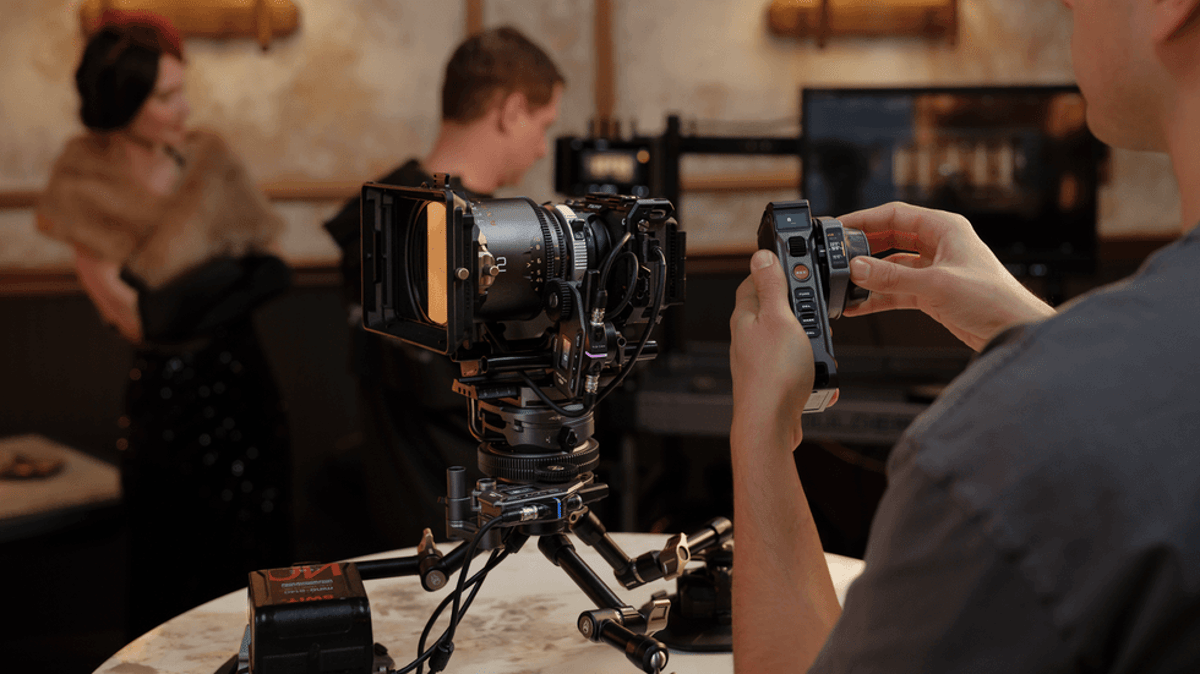
Bring Modern Autofocus Performance to Your Classic Manual Cinema Lenses With This New AF Adapter
•February 6, 2026
0
Why It Matters
By marrying vintage lens character with contemporary autofocus speed, the adapter streamlines production workflows and expands creative options for cinematographers using legacy glass.
Key Takeaways
- •Tilta adds AF to manual PL lenses via Sony E-mount
- •Uses camera AF to drive Nucleus‑M II or Nano motors
- •Built‑in lens library enables quick calibration per lens
- •Preorder discount 10% until April 6; $269 retail price
- •RF‑mount support announced for future release
Pulse Analysis
The Tilta Nucleus Autofocus Adapter arrives at a time when filmmakers are increasingly seeking to blend the distinctive look of classic cinema lenses with the efficiency of modern camera systems. By tapping into a Sony E‑mount body’s native phase‑detect autofocus, the adapter drives external Nucleus‑M II or Nano focus motors, effectively turning fully manual PL lenses into electronically controlled tools. This approach preserves the unique bokeh, color rendition, and flare characteristics that vintage glass offers while eliminating the time‑consuming focus pulls that have traditionally limited their use on fast‑paced productions.
Beyond the immediate convenience, the adapter’s built‑in lens library simplifies the calibration process, allowing crews to quickly match motor response to each lens’s focus throw. This reduces setup time on set and minimizes the risk of focus errors, which can be costly in high‑budget environments. The $269 price point, coupled with a limited‑time 10% preorder discount, positions the device as an accessible upgrade for independent filmmakers and larger studios alike, potentially accelerating the adoption of legacy lenses in digital workflows.
Looking ahead, Tilta’s roadmap includes expanding compatibility to Canon RF‑mount and additional mounts, signaling a broader industry shift toward modular, cross‑system lens solutions. As more manufacturers introduce similar adapters, the market may see a resurgence in the use of historic glass, driving demand for both restoration services and new creative techniques. For cinematographers, this development offers a compelling blend of artistic heritage and technological advancement, reshaping how visual storytelling can be approached in the digital age.
Bring Modern Autofocus Performance to Your Classic Manual Cinema Lenses With This New AF Adapter
0
Comments
Want to join the conversation?
Loading comments...