Broadcast Media Nemesis Saying Goodbye To CTA
•February 13, 2026
0
Why It Matters
A new CEO may temper CTA’s confrontational stance toward broadcast regulation, influencing future tech‑policy debates and industry collaborations. The shift also signals potential strategic realignment for CES and CTA’s advocacy priorities.
Key Takeaways
- •Gary Shapiro exits CTA CEO role after 35 years.
- •Shapiro opposed AM radio and ATSC 3.0 mandates.
- •Kinsey Fabrizio assumes CEO duties, retains President title.
- •CTA may soften stance toward broadcasters under new leadership.
- •Broadcast industry sees opportunity to influence future tech policy.
Pulse Analysis
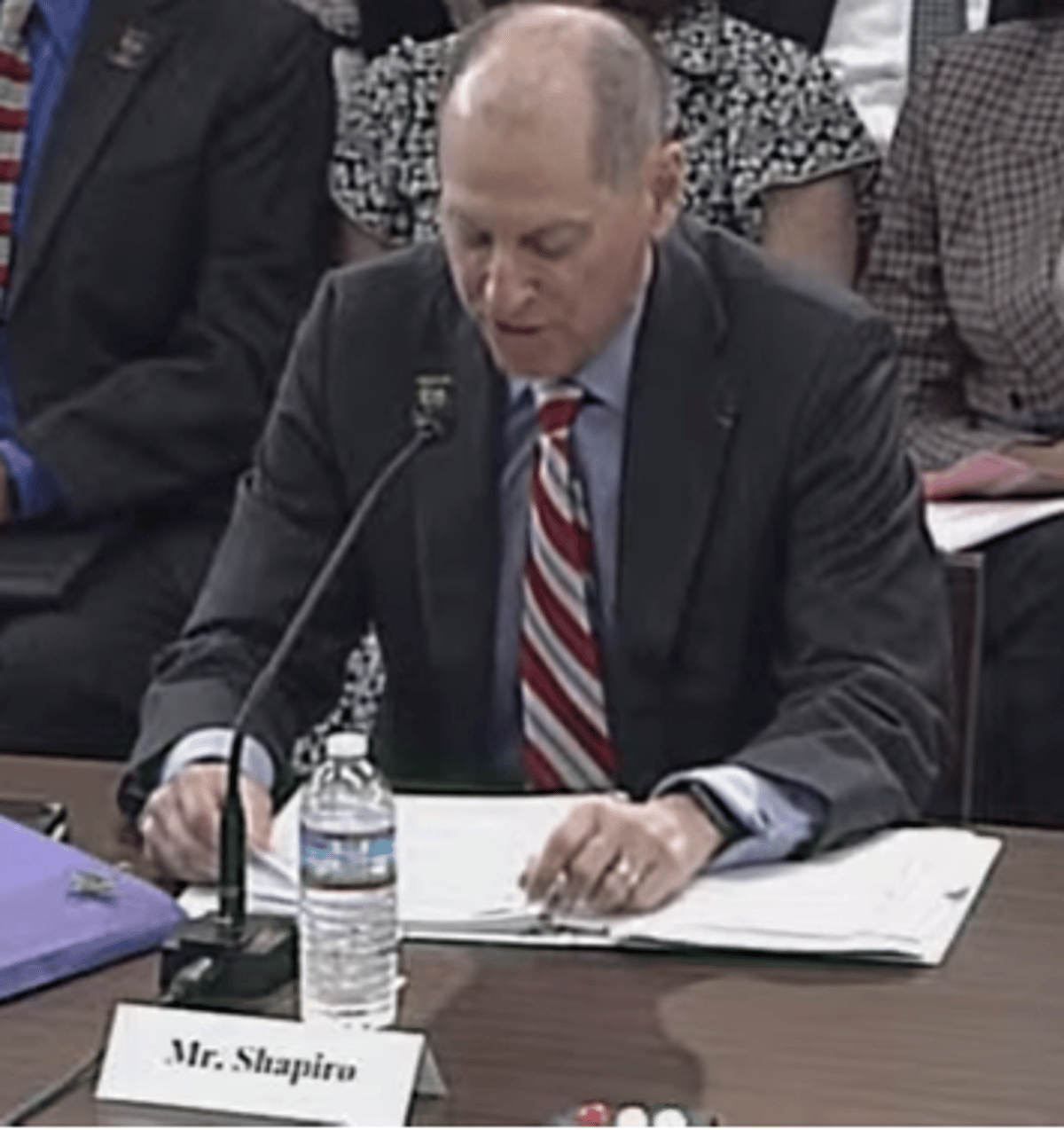
The Consumer Technology Association, best known for the CES trade show, has long been a bellwether for emerging consumer electronics trends. Under Gary Shapiro’s three‑decade leadership, CTA not only expanded its conference footprint but also became a vocal policy player on Capitol Hill. Shapiro’s recent crusade against the AM for Every Vehicle Act and ATSC 3.0 broadcast mandates positioned the organization as a fierce opponent of traditional broadcasters, amplifying tensions between tech innovators and legacy media owners.
With Shapiro moving to an executive chair role, Kinsey Fabrizio steps into the CEO seat. Fabrizio, who joined CTA in 2008 and oversaw CES operations, brings a background in event management and membership modernization rather than legislative battles. Her ascent suggests a possible pivot toward consolidating CTA’s core mission—showcasing cutting‑edge technology—while potentially easing the organization’s adversarial posture toward the National Association of Broadcasters and other media groups. Industry observers will watch whether her leadership can balance CTA’s advocacy with a more collaborative tone.
For broadcasters, the change offers a strategic opening. A less combative CTA could ease the path for legislation that supports AM radio continuity in vehicles and the rollout of ATSC 3.0, both critical to maintaining over‑the‑air relevance. Simultaneously, CTA’s influence on tech policy remains significant; a softer stance may encourage joint initiatives that align consumer electronics innovation with broadcast interests. As the tech‑media landscape evolves, the CTA’s leadership transition could become a catalyst for renewed dialogue between silicon valley innovators and traditional broadcasters.
Broadcast Media Nemesis Saying Goodbye To CTA
0
Comments
Want to join the conversation?
Loading comments...