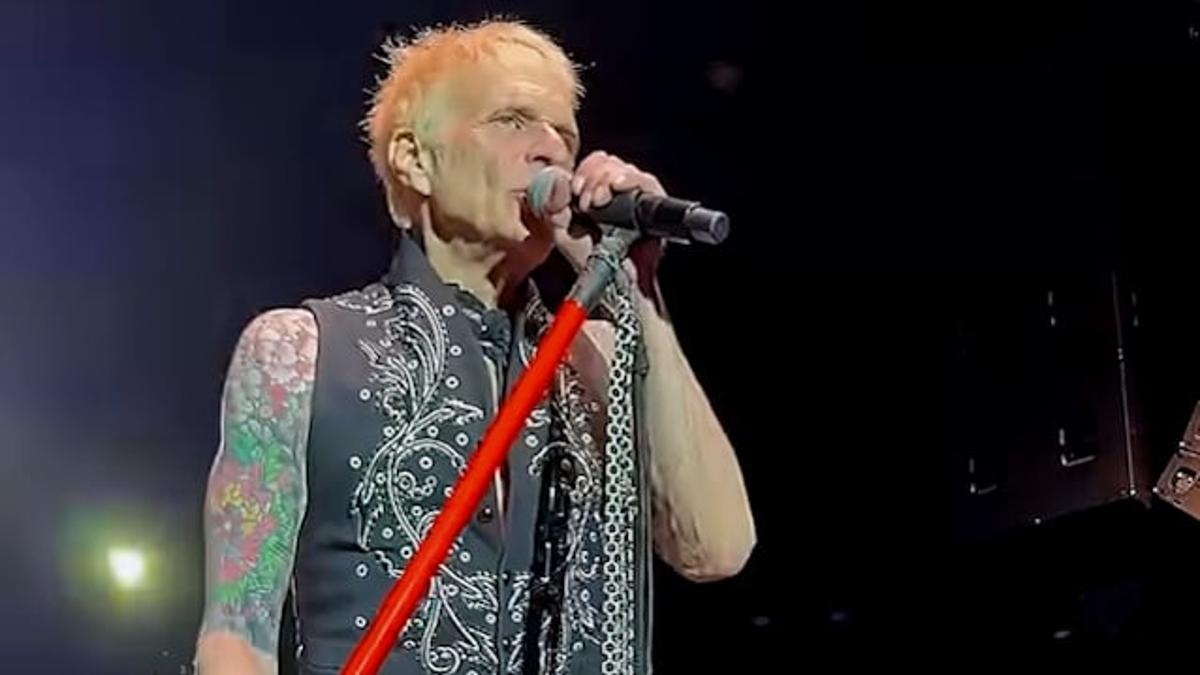
DAVID LEE ROTH Says He Sold His Publishing Catalog For A Substantial Sum Last Year: I Feel 'Rich'
Companies Mentioned
Why It Matters
The transaction illustrates how legacy music rights are becoming high‑value financial assets, reshaping revenue models for aging artists and signaling continued investor appetite for streaming‑driven royalties.
Key Takeaways
- •Roth sold his publishing catalog, receiving a lump‑sum payout.
- •Legacy artists cash in on catalogs amid streaming growth.
- •Deals often exceed $100 million, some surpass $500 million.
- •Investors view song rights as long‑term revenue assets.
- •Catalog sales fund artists' estates and future touring plans.
Pulse Analysis
The past few years have seen a surge in music publishing and master‑recording sales, as veteran artists convert future royalty streams into immediate cash. Private‑equity firms, major labels, and specialized funds are competing for rights that promise steady income from platforms like Spotify, Apple Music, and emerging digital services. High‑profile transactions—Bob Dylan’s $200 million sale to Sony, Bruce Springsteen’s $500 million deal, and KISS’s $300 million package—have set market benchmarks, encouraging others to explore similar exits.
For David Lee Roth, the timing aligns with a renewed touring agenda. By liquidating his publishing assets, Roth secures capital that can underwrite production costs, marketing, and personal financial planning without relying on unpredictable royalty checks. This strategy mirrors a broader trend where artists approaching retirement or estate planning prioritize lump‑sum payouts to safeguard family wealth and fund legacy projects, such as memoirs or charitable foundations. The immediate cash flow also offers flexibility to respond to market shifts, like fluctuating streaming payouts or touring disruptions.
Industry analysts view catalog acquisitions as a bet on the longevity of music consumption in the digital age. As streaming royalties become more transparent and global, rights owners can extract value for up to 70 years after an artist’s death, making these assets attractive long‑term investments. The influx of capital into catalog portfolios is also prompting new valuation models that factor in algorithmic playlist placement, sync licensing potential, and emerging technologies like AI‑generated music. Consequently, the market is likely to see continued high‑value deals, reinforcing the role of music rights as a cornerstone of modern entertainment finance.
DAVID LEE ROTH Says He Sold His Publishing Catalog For A Substantial Sum Last Year: I Feel 'Rich'
Comments
Want to join the conversation?
Loading comments...