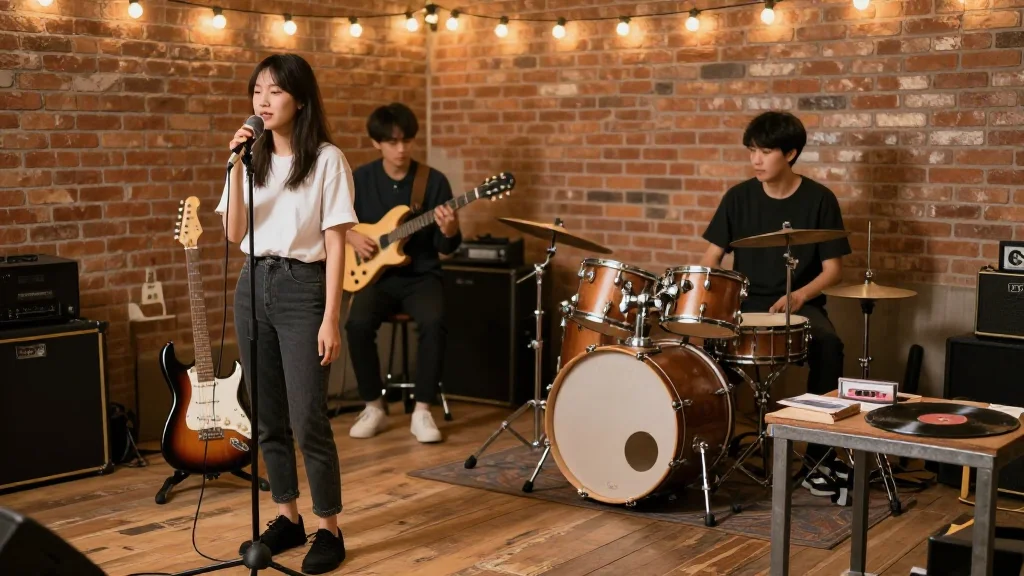
DIY Chinese Alt‑Idol Groups Challenge K‑Pop Dominance, Redefining Asia’s Pop Business

Companies Mentioned

Why It Matters
The emergence of DIY Chinese alt‑idol groups reshapes the entertainment value chain by shifting power from conglomerates to independent creators. This reallocation influences contract negotiations, streaming royalty structures, and cross‑border publishing rights, potentially lowering barriers to entry for new talent across Asia. For investors and rights holders, the trend signals a diversification of revenue sources beyond the K‑pop juggernaut, prompting a reevaluation of portfolio strategies in the region. Furthermore, the movement challenges cultural hegemony, offering audiences alternative narratives and aesthetics that reflect China’s own youth culture. As these groups gain streaming traction, they could catalyse new licensing models that prioritize artist‑owned masters and flexible royalty splits, setting precedents that may ripple through the global music industry.
Key Takeaways
- •DIY Chinese alt‑idol groups like Transparent Classroom are gaining fans as government bans curb corporate idol shows.
- •Emily Liu (Active Faults) says the crackdown "blocked the end of the river" for mainstream Chinese idols.
- •Founder Zhao Beichen emphasizes artistic freedom, selecting members "not what the idol industry says are suitable."
- •Streaming platforms are creating bespoke licensing frameworks to accommodate lower‑budget, independent releases.
- •The next milestone: a major international publishing deal for a Chinese alt‑idol group.
Pulse Analysis
The DIY surge in China mirrors earlier disruptions in Western music, where independent artists leveraged digital distribution to bypass label gatekeepers. Unlike the early 2000s indie rock wave, Chinese alt‑idols operate under a unique regulatory backdrop that simultaneously suppresses traditional idol pipelines and encourages homegrown content. This paradox creates a fertile ground for new business models: micro‑label collectives, fan‑driven merch, and direct‑to‑platform monetisation.
From a market perspective, the shift could erode the near‑monopoly K‑pop enjoys over Asian pop streaming revenues, which currently account for roughly 30% of regional music consumption. If alt‑idol streams continue to rise, advertisers and platform curators will have to allocate more shelf‑space to Chinese independent acts, potentially driving up CPMs for niche audiences. Rights owners should also anticipate renegotiated royalty splits, as artists now command greater bargaining power without the massive training investments that once justified low artist shares.
Looking ahead, the sustainability of the movement hinges on two variables: regulatory clarity and scalable monetisation. Should Chinese authorities relax restrictions on livestream gifting and foreign copyright enforcement, alt‑idol groups could unlock new revenue streams comparable to K‑pop’s merch and touring profits. Conversely, renewed crackdowns could force these collectives back into the shadows, limiting their commercial impact. Investors and industry executives would do well to monitor policy developments and early licensing deals, as they will likely dictate whether DIY Chinese pop becomes a lasting counterweight to K‑pop or a fleeting subculture.
DIY Chinese Alt‑Idol Groups Challenge K‑Pop Dominance, Redefining Asia’s Pop Business
Comments
Want to join the conversation?
Loading comments...