Does Retail Pharmacy Have A Tower Records Problem?
Why It Matters
Pharmacists now have the legal right to deliver and bill for clinical care, but without the right tech infrastructure the revenue upside stays untapped, reshaping the future of retail health delivery.
Key Takeaways
- •Pharmacists have provider status and prescribing authority in most states
- •Clinical‑enablement layer attracts limited capital despite $5B pharma tech investment
- •GoodRx, Amazon Pharmacy, Ro, and Hims & Hers dominate consumer‑facing layers
- •Pharmacies can bill medical benefits for clinical services, unlocking higher margins
- •56,000 community pharmacies could become profit centers with proper tech infrastructure
Pulse Analysis
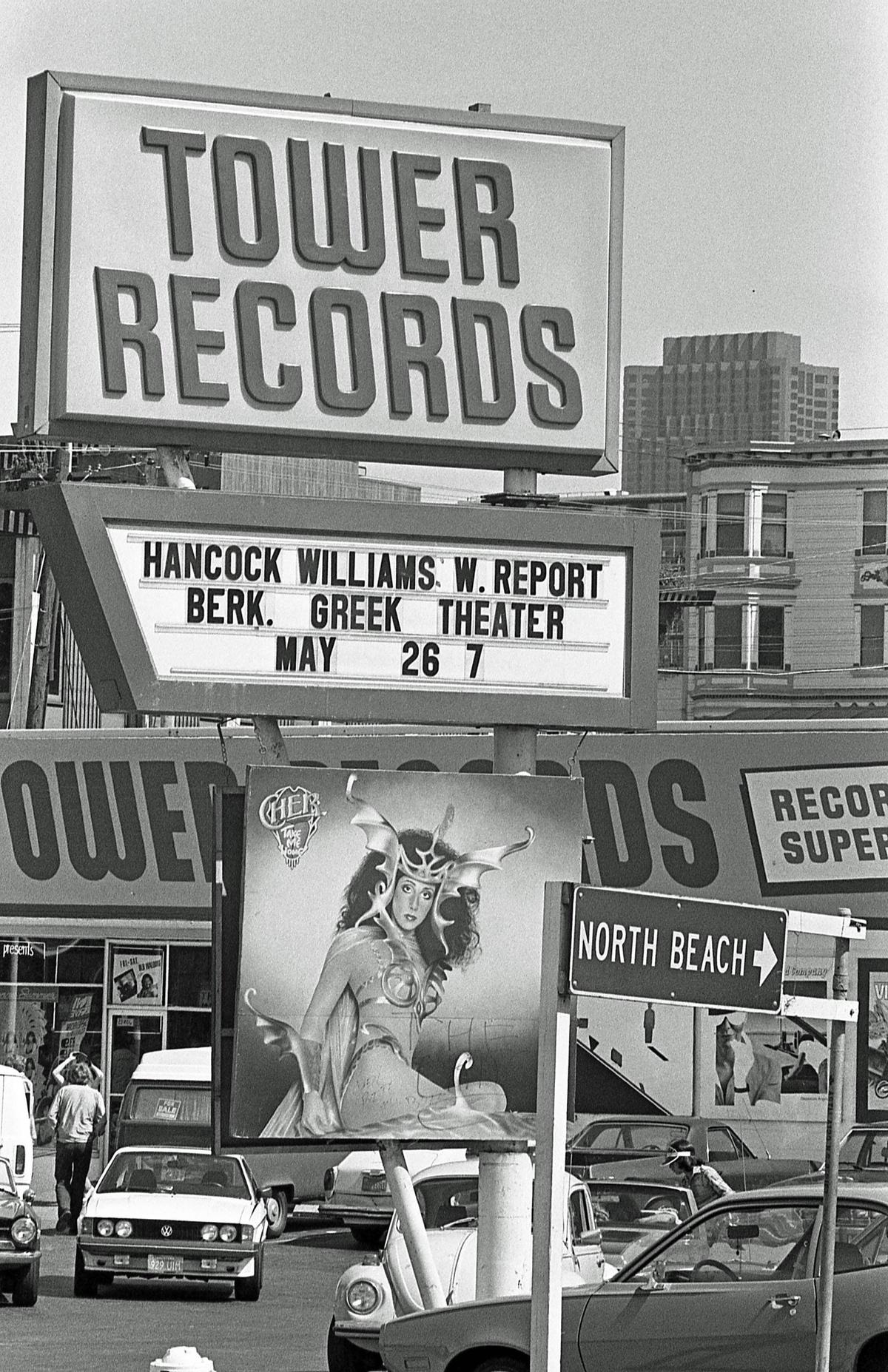
The rise of digital music in the early 2000s forced Tower Records out of its storefront, a cautionary tale now echoed in community pharmacy. While the traditional pharmacy model—manufacturer to wholesaler to PBM to retailer—remains, state‑level reforms have granted pharmacists prescribing rights, vaccine authority, and, in most jurisdictions, the ability to bill as providers. This regulatory shift creates a fertile environment for new revenue streams, but the transition hinges on more than legislation; it requires a robust operational backbone that can capture medical‑benefit payments and document clinical outcomes.
Capital has surged into the pharmacy ecosystem, birthing a layered tech stack. The prescribing tier sees companies like Ro and Hims & Hers integrating virtual visits, prescriptions, and fulfillment, each backed by billions in venture funding. Fulfillment is being reimagined by Amazon Pharmacy and Alto, treating dispensing as a logistics problem. Pricing transparency platforms such as GoodRx and Cost Plus Drugs expose cash prices, while interoperability initiatives like the Sequoia Project’s workgroup lay the groundwork for data exchange. Yet these consumer‑facing and pricing layers are crowded, driving margins thin and prompting investors to look elsewhere for differentiated upside.
The under‑explored clinical‑enablement layer is where the next wave of value resides. It encompasses provider enrollment, clinical documentation, medical billing, and workflow integration—components essential for turning routine dispensing into reimbursable care. Companies that solve these four “walls” enable pharmacies to monetize the frequent, trusted patient interactions that have long been a cost center. With roughly 56,000 community pharmacies nationwide, the addressable market for a turnkey clinical‑enablement platform is massive. As health plans prioritize outcomes and cost‑effective care, pharmacies equipped with the right technology could capture a sizable share of medical‑benefit spend, reshaping retail health into a high‑margin, data‑driven service model.
Does Retail Pharmacy Have A Tower Records Problem?
Comments
Want to join the conversation?
Loading comments...