Fed Up With High Costs, American Theater Takes a Trip to London
•March 10, 2026
0
Companies Mentioned
Why It Matters
Offshoring reshapes the financial calculus of American theater, offering a cheaper testing ground and preserving investor confidence. The trend could redefine where iconic Broadway hits originate.
Key Takeaways
- •Broadway budgets now average $20 million per show
- •Only 4 of 48 post‑pandemic musicals turned profit
- •U.S. producers stage premieres in London to cut costs
- •Offshoring lets creators test shows before New York debut
- •Investors grow cautious, favoring lower‑risk overseas productions
Pulse Analysis
The soaring cost of mounting a Broadway production has become a decisive factor for American theater makers. While a $20 million budget was once an outlier, it now represents the new norm, squeezing profit margins and deterring investors. This fiscal pressure has spurred a wave of offshoring, where producers relocate rehearsals and initial runs to the United Kingdom, where venue fees, labor costs, and ancillary expenses are markedly lower. By staging shows in London’s smaller houses, creators can refine material without the financial exposure of a full‑scale New York opening.
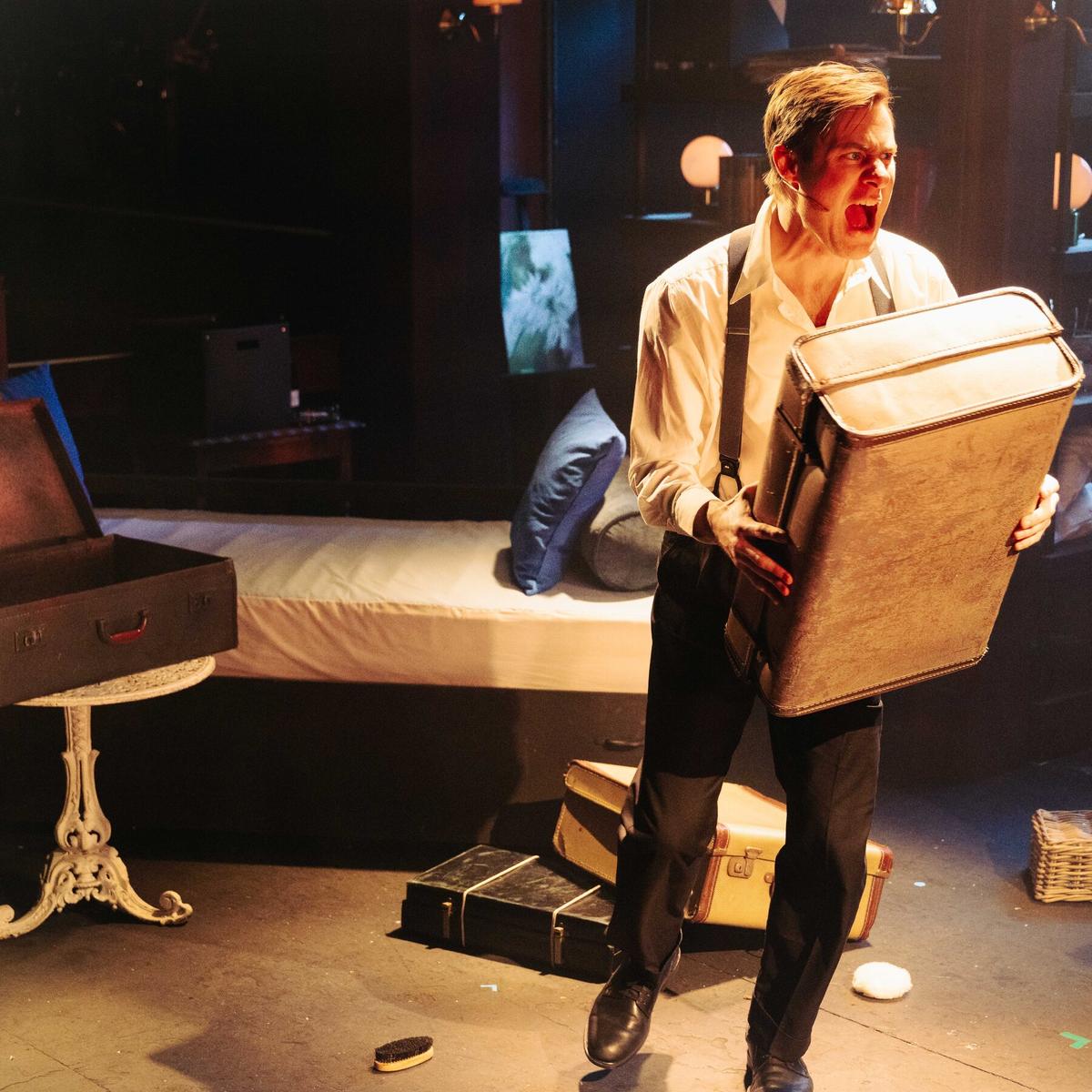
Offshoring also offers strategic market advantages beyond cost savings. The UK’s vibrant theater ecosystem provides a receptive audience and robust press coverage, allowing American works to build word‑of‑mouth momentum. Productions like "Beautiful Little Fool" and the UK debut of Disney’s "The Greatest Showman" illustrate how a modest overseas launch can generate buzz, attract critical attention, and create a proof‑of‑concept for investors. This approach mirrors the historic Off‑Broadway model, giving creators a sandbox to experiment before committing to the high‑stakes Broadway arena.
For financiers, the shift reduces exposure to the volatile post‑pandemic market where only a fraction of new shows recoup costs. By allocating capital to lower‑risk offshore pilots, investors can monitor audience reception and financial performance in real time, adjusting budgets or creative direction before a potential New York transfer. As the industry adapts, the transatlantic pipeline may become a permanent fixture, redefining the geography of American theatrical innovation while preserving the cultural cachet of a Broadway debut.
Fed Up With High Costs, American Theater Takes a Trip to London
0
Comments
Want to join the conversation?
Loading comments...