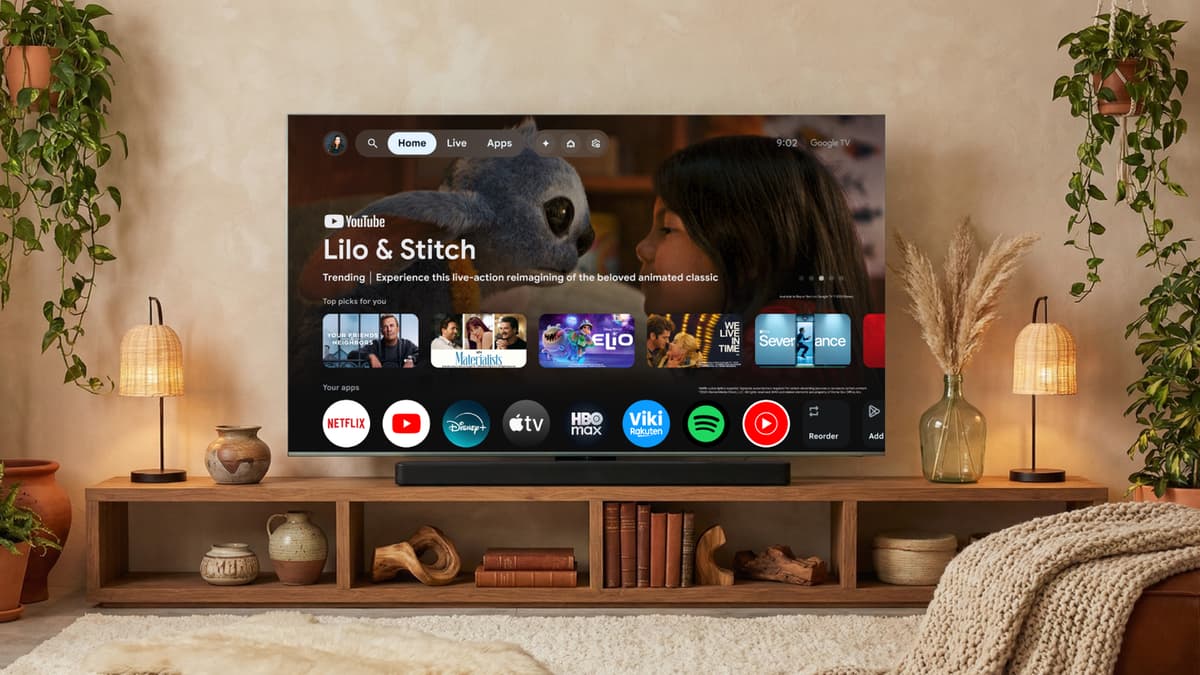
Forecast: New TV OS to Take 28% of European Market by 2030
Companies Mentioned
Why It Matters
The shift reshapes profit dynamics for TV makers, moving revenue from one‑time hardware sales to recurring advertising streams and giving brands greater control over user data and experience.
Key Takeaways
- •New TV OS will capture 28% of Europe market by 2030
- •Google TV share falls as V, Titan OS, TiVo grow
- •Revenue‑sharing models let manufacturers earn ad income post‑sale
- •Linux‑based OS reduce hardware costs amid rising memory prices
- •V partners with Microsoft to embed Copilot AI in TVs
Pulse Analysis
The European smart‑TV landscape is at a tipping point. Omdia’s TV Design & Features Tracker projects that independent operating systems—V, Titan OS and TiVo—will collectively hold 28% of the market by 2030, up from just 21% in 2025. Google TV, which currently enjoys a 32% share, is expected to cede ground as manufacturers gravitate toward platforms that promise higher margins and differentiated user experiences. This trend reflects a broader industry pivot from hardware‑centric revenue to software‑driven monetisation.
A key driver of this migration is the revenue‑sharing model championed by the new OS players. Unlike Google TV, which retains most advertising and data earnings, V, Titan OS and TiVo allocate a portion of ad and FAST‑channel revenue back to TV brands. Coupled with their lightweight, Linux‑based architecture, these platforms enable manufacturers to use less expensive processors—a crucial advantage as memory prices have surged in 2026. The result is a more cost‑effective bill of materials, preserving thin hardware margins while unlocking a steady, post‑sale income stream.
Strategic partnerships are accelerating adoption. V’s rebranding to V Home OS and its integration of Microsoft’s Copilot AI bring generative‑AI capabilities directly to the home screen, enhancing personalization and interactivity. Meanwhile, Titan OS and TiVo’s joint ad‑sales venture consolidates reach, making the revenue‑sharing promise more credible for large advertisers. For European broadcasters and advertisers, this creates a new, data‑rich ecosystem that blends traditional linear content with streaming, while manufacturers gain greater control over brand identity and analytics. The convergence of AI, ad‑share economics, and hardware efficiency positions independent TV OSes as a formidable challenge to Google’s dominance in the coming years.
Forecast: New TV OS to take 28% of European market by 2030
Comments
Want to join the conversation?
Loading comments...