Gender Equality Attitudes Stuck In Neutral As Advertisers Face Split Audience
•March 6, 2026
0
Why It Matters
Stagnant gender‑equality sentiment forces advertisers to rethink one‑size‑fits‑all campaigns, risking brand relevance and consumer backlash. Understanding the split audience is essential for effective, inclusive marketing spend.
Key Takeaways
- •Global gender‑equality sentiment remains largely unchanged
- •Younger cohorts show slightly more progressive views
- •Older generations stay more traditional on sexual norms
- •Advertisers face fragmented audience across gender and age
- •Tailored messaging required to avoid brand backlash
Pulse Analysis
International Women’s Day has become a marquee moment for brands eager to showcase commitment to gender equality, yet the latest Ipsos research suggests the cultural conversation has hit a plateau. While companies flood social feeds with purple‑themed visuals and empowerment slogans, the underlying public sentiment shows little net change, indicating that surface‑level gestures may no longer move the needle. This stagnation reflects broader societal fatigue, where repeated calls for equality are met with a neutral, sometimes skeptical, audience that demands deeper proof of progress.
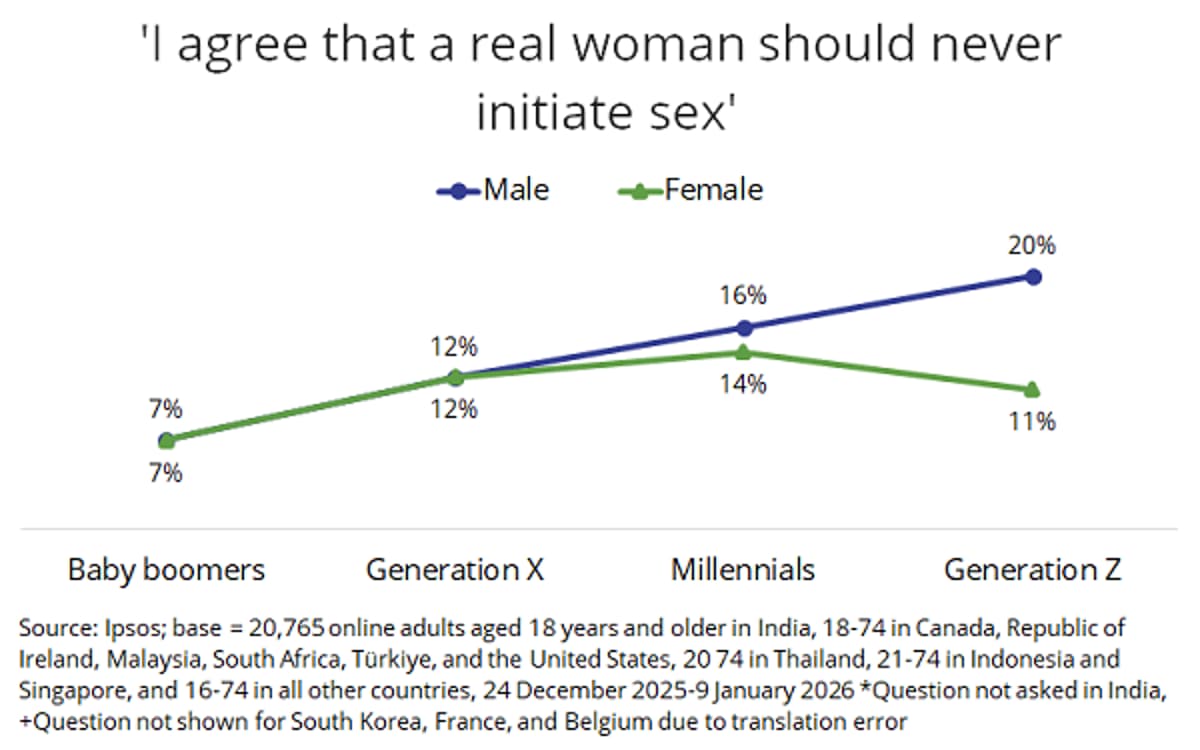
The Ipsos survey uncovers nuanced generational dynamics. Younger respondents—particularly those under 35—express slightly higher agreement with progressive statements, such as supporting women’s autonomy in sexual initiation. In contrast, older cohorts (45+) remain more traditional, echoing longstanding gender norms. Overall, agreement with the statement “I agree that a real woman should never initiate sex” hovers near the midpoint across regions, underscoring a persistent ambivalence. These findings reveal that while the headline of gender equality enjoys broad acknowledgment, concrete attitudes on specific issues remain divided, limiting the effectiveness of generic messaging.
For advertisers, the data translates into a strategic imperative: move beyond tokenism and craft segmented, authentic narratives. Brands must invest in research‑driven creative that resonates with both progressive younger audiences and more traditional older segments, perhaps by highlighting real stories of empowerment rather than generic slogans. Failure to acknowledge this split risks consumer pushback and wasted spend, whereas nuanced campaigns can reinforce brand equity, foster genuine dialogue, and position companies as leaders in the evolving gender‑equality landscape.
Gender Equality Attitudes Stuck In Neutral As Advertisers Face Split Audience
0
Comments
Want to join the conversation?
Loading comments...