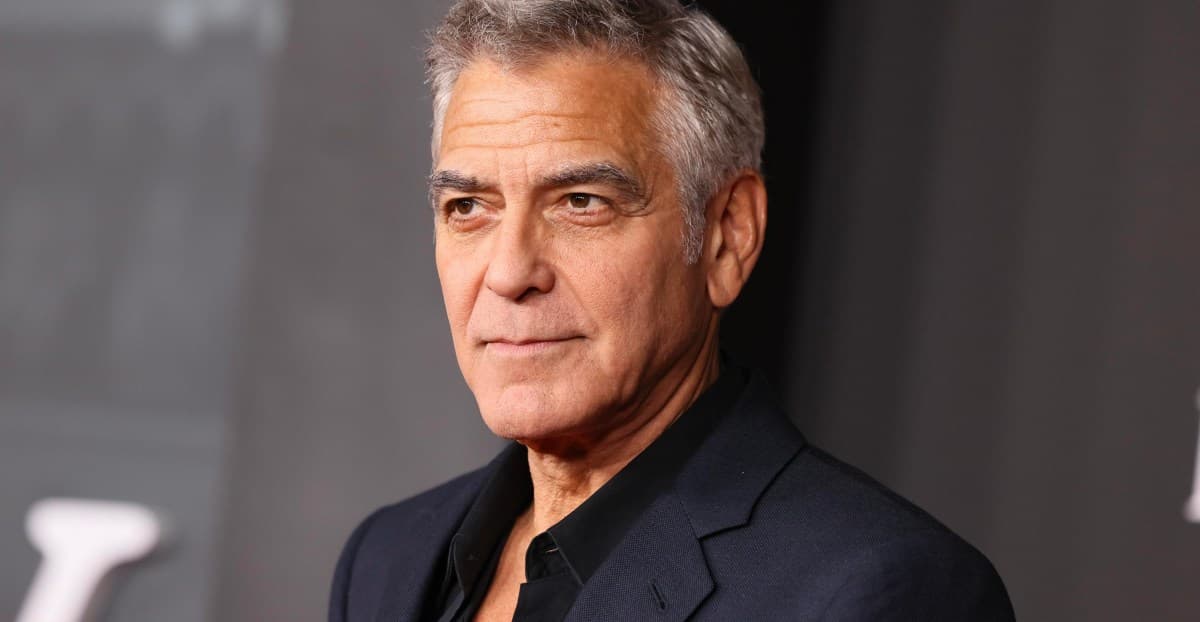
George Clooney, Tom Hanks, and Meryl Streep Back New ‘Human Consent Standard’ for AI Licensing
Why It Matters
By formalizing consent at the identity level, the standard could curb unauthorized deep‑fake generation and ensure creators receive compensation, reshaping AI data‑training practices across media and tech industries.
Key Takeaways
- •Human Consent Standard lets individuals license AI use of their likeness
- •Built on RSL, it signals permissions via robots.txt and a central registry
- •Major Hollywood talent and agencies publicly endorse the new standard
- •Registry launching June offers verified identity and granular permission settings
- •RSL Media provides free, open-source tooling for worldwide consent management
Pulse Analysis
The rapid growth of generative AI has sparked a legal gray zone around the use of personal likenesses and copyrighted material. While platforms have struggled to police deep‑fake videos and unlicensed content, the industry has lacked a universal signaling mechanism that AI developers can reliably read. The Really Simple Licensing (RSL) Standard, introduced last year, offered a modest solution by allowing website owners to embed usage preferences in robots.txt files, but it only covered specific URLs, leaving the underlying works unprotected.
The Human Consent Standard takes the concept a step further by binding consent to the person, character, or brand itself, regardless of where the content appears online. Through a centralized registry launching in June, rights holders can verify their identity and set granular permissions—full allowance, conditional use, or outright prohibition. AI crawlers will query the registry and interpret the encoded signals, ensuring that models trained on web data respect declared preferences. High‑profile backing from actors like Clooney, Hanks and Streep, as well as agencies such as CAA, signals industry confidence and could accelerate adoption among content platforms and AI developers.
If widely embraced, the standard could become a de‑facto regulatory layer, reducing litigation risk and fostering a more sustainable AI ecosystem. Creators would gain a clear revenue stream for licensed usage, while companies could demonstrate responsible data practices to investors and regulators. Challenges remain, including global enforcement and integration with existing AI pipelines, but the free, open‑source tools offered by RSL Media lower barriers to entry, making the Human Consent Standard a pivotal development in the ongoing debate over AI ethics and intellectual property rights.
George Clooney, Tom Hanks, and Meryl Streep back new ‘Human Consent Standard’ for AI licensing
Comments
Want to join the conversation?
Loading comments...