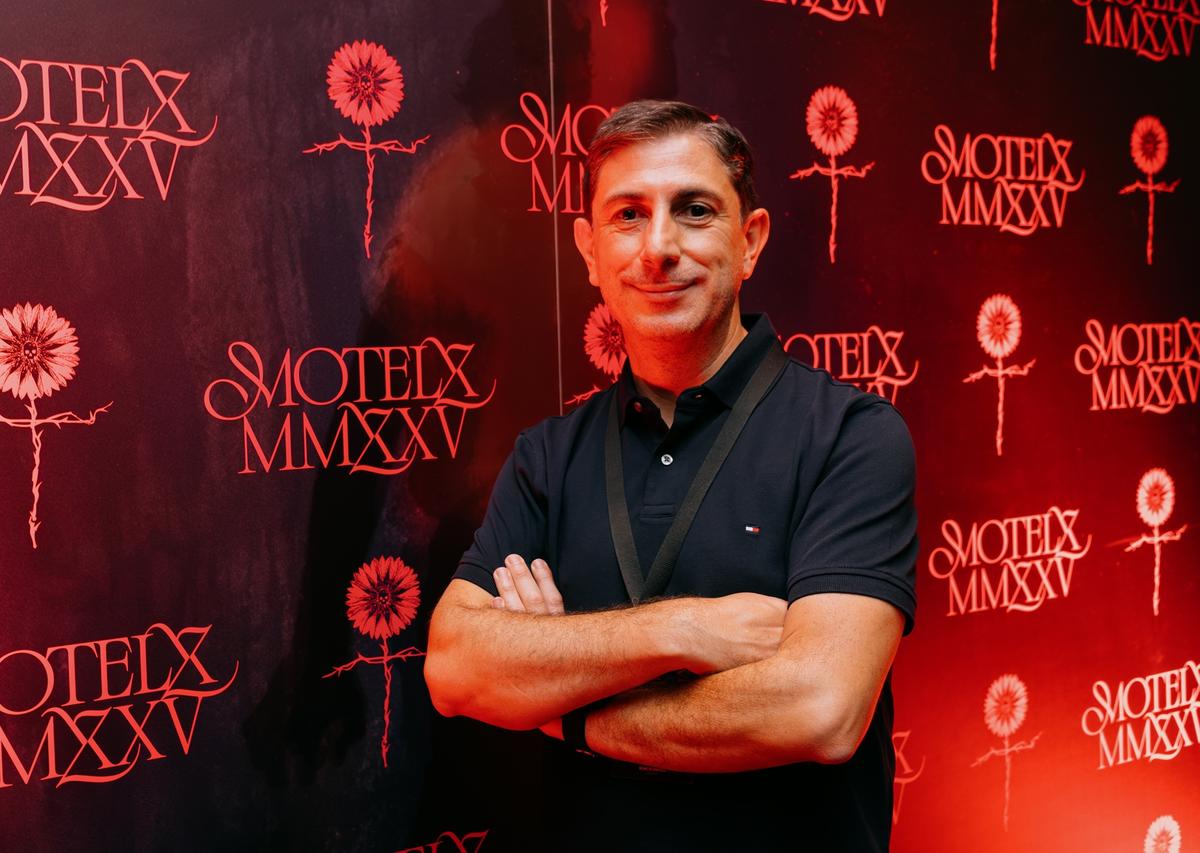
Interview: Nuno Bernardo • Head of Studies, IP Development for Creative Professionals, Erich Pommer Institut - “If We Want European Stories to Keep Their Texture, Humour and Ambiguity, Producers and Writers Based Here Must Own the IP that Carries Those Stories Abroad” - /Germany
Key Takeaways
- •EPI launches three‑day IP Development workshop for European creators.
- •Ownership turns series credits into long‑term revenue assets.
- •Sofia’s Diary exemplifies cross‑media expansion from web series to books.
- •Legal clarity prevents rights fragmentation that stalls format licensing.
- •Cross‑sector collaboration accelerates learning and reduces costly IP mistakes.
Pulse Analysis
European producers have long relied on a fragmented financing chain that rewards short‑term production over long‑term asset building. As U.S. studios pour billions into franchise‑ready IP, European creators risk seeing their stories repackaged under foreign ownership, stripping away the nuanced humor and ambiguity that define the continent’s narrative voice. By shifting focus from individual credits to owning the underlying intellectual property, creators can generate recurring revenue through format sales, adaptations, and ancillary products, thereby stabilizing cash flow and safeguarding cultural integrity.
The Erich Pommer Institut’s new workshop tackles this shift head‑on. Over three days, participants from film, television, gaming, publishing and licensing converge to share discipline‑specific strategies—game developers teach world‑building longevity, publishers reveal catalog monetization, and licensing pros outline portfolio management. Guided by Nuno Bernardo, whose "Sofia’s Diary" grew from a Portuguese web series into books, podcasts, and TV formats, attendees learn to map a story’s ecosystem, secure clear rights structures, and prototype low‑cost extensions before committing to larger productions. The cross‑sector mix accelerates learning, turning months of trial‑and‑error into weeks of collaborative insight.
For the European creative economy, widespread IP ownership could reshape market dynamics. Producers who treat characters and worlds as assets rather than single‑format projects can attract international buyers without surrendering control, fostering a pipeline of culturally resonant content that competes on specificity rather than budget. This model also invites investment from non‑traditional sources—such as gaming studios and digital publishers—who seek fresh narratives to diversify their portfolios. As more creators adopt these practices, Europe stands to retain its storytelling texture while unlocking new, sustainable revenue streams.
Interview: Nuno Bernardo • Head of studies, IP Development for Creative Professionals, Erich Pommer Institut - “If we want European stories to keep their texture, humour and ambiguity, producers and writers based here must own the IP that carries those stories abroad” - /Germany
Comments
Want to join the conversation?