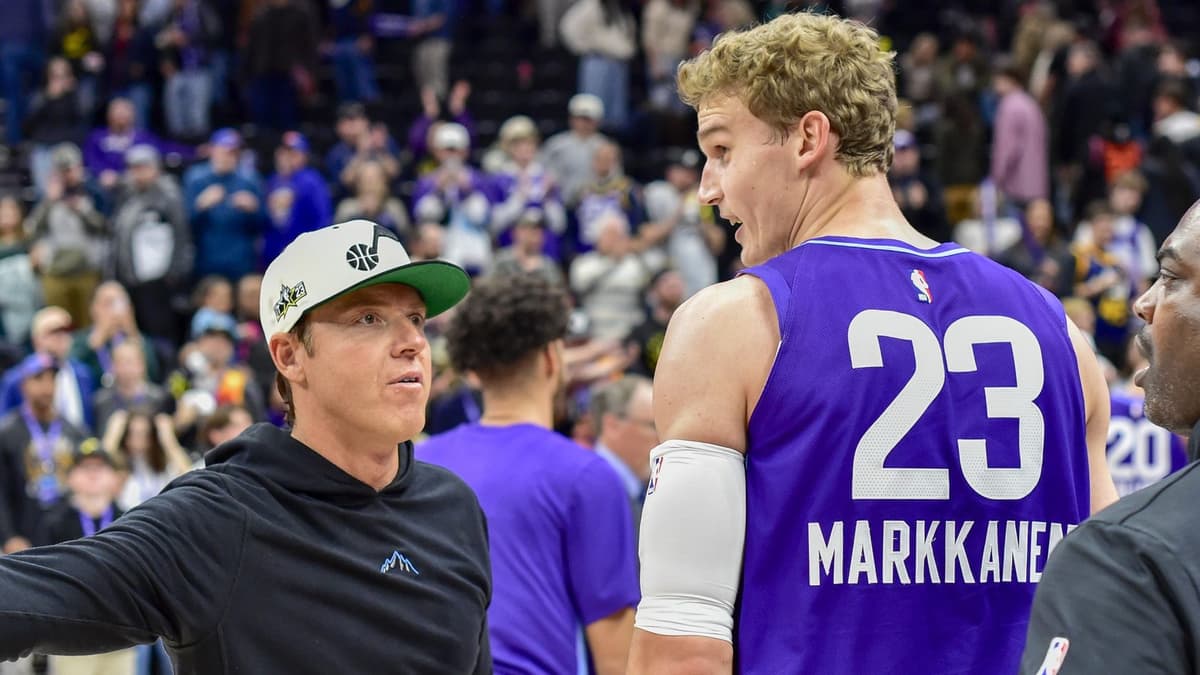
Jazz Owner Defends Team After $500,000 Tanking Fine From NBA
Companies Mentioned
Why It Matters
The fine signals the NBA’s willingness to enforce anti‑tanking rules, affecting how struggling franchises manage player minutes and draft‑lottery positioning.
Key Takeaways
- •NBA fined Jazz $500,000 for fourth‑quarter benchings
- •Coach cited minutes restriction for Markkanen
- •Fine separate from standard Player Participation penalties
- •League reviewing additional anti‑tanking measures
- •Tank‑driven strategies persist despite lottery reforms
Pulse Analysis
The Utah Jazz’s $500,000 penalty highlights the NBA’s escalating battle against tanking, a practice where teams deliberately limit competitive effort to improve draft‑lottery odds. While the league already enforces a Player Participation Policy that fines teams $100,000 for benching All‑Stars, the Jazz violation fell under a broader “conduct detrimental” clause, reflecting the NBA’s intent to close loopholes. By targeting fourth‑quarter decisions that appear strategic rather than health‑related, the league aims to preserve game integrity and protect fan interest, especially as the draft lottery odds were flattened in 2019 to discourage losing for positioning.
For Utah, the fine arrives amid a dismal 18‑38 record and the loss of Jaren Jackson Jr. to season‑ending surgery. Coach Will Hardy’s explanation—that Markkanen was on a minutes restriction—does little to quell speculation that the benchings were designed to protect future assets. The Jazz’s situation mirrors other low‑performing clubs, such as the Wizards and Nets, which have also faced scrutiny for roster decisions that appear to prioritize draft positioning over immediate competitiveness. These patterns pressure front offices to balance short‑term revenue, fan engagement, and long‑term talent acquisition, especially when a fine of half a million dollars can impact operating budgets.
Looking ahead, the NBA is weighing additional safeguards, including prohibiting teams from securing top‑four draft picks in consecutive seasons. Commissioner Adam Silver’s commitment to work with the Competition Committee signals a proactive stance, aiming to align team incentives with league‑wide competitive fairness. For owners and executives, the evolving regulatory landscape underscores the financial and reputational risks of overt tanking, prompting a shift toward more transparent roster management and strategic player development that satisfies both league standards and stakeholder expectations.
Jazz Owner Defends Team After $500,000 Tanking Fine From NBA


Comments
Want to join the conversation?
Loading comments...