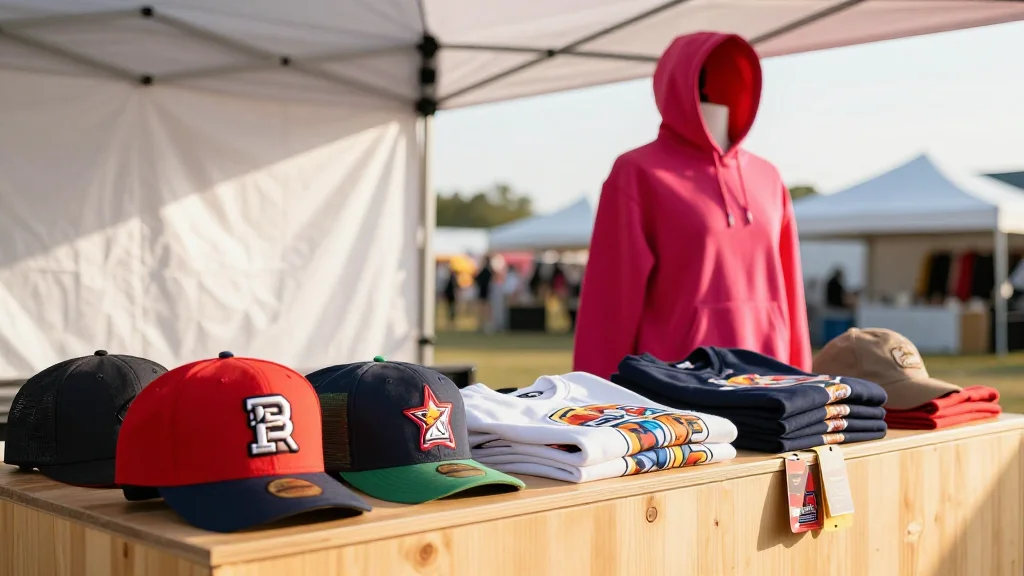
Justin Bieber Rakes in $5m in Coachella Merch Sales
Companies Mentioned
Why It Matters
The surge underscores how artist‑centric merchandise has become a major revenue engine, especially among Gen Z fans who view fashion as integral to live music experiences.
Key Takeaways
- •Bieber's Skylrk merch generated $5 million, over twice prior Coachella record
- •Pop‑up shop and dedicated tent boosted sales versus standard artist booths
- •Merchandise prices ranged from $30 hats to $140 sweatshirts
- •Live Nation reports 81% of Gen Z value concert merch
- •Online sales expansion targets non‑attendees, widening revenue potential
Pulse Analysis
The $5 million haul from Justin Bieber’s Skylrk line marks a watershed moment for festival‑based merchandising. While festivals have long offered artist apparel, Bieber’s dual‑channel approach—a bespoke pop‑up shop beside a traditional merch tent—created a high‑visibility retail experience that doubled the previous Coachella record. Prices were strategically tiered, from $30 caps to $140 premium sweatshirts, appealing to both casual fans and superfans willing to spend for exclusive pieces. This model demonstrates how artists can monetize their brand beyond ticket sales, turning live events into lucrative retail platforms.
Gen Z’s appetite for tangible concert memorabilia fuels this trend. Live Nation’s recent survey shows 81% of Gen Z attendees value merchandise, and 86% consider artist‑linked fashion a core part of the live experience. The demographic’s emphasis on self‑expression and collectability drives demand for limited‑edition items, making physical goods a critical touchpoint in the digital‑first era. Bieber’s success illustrates how aligning product design with Gen Z’s cultural cues—such as bold logos and limited drops—can translate fan enthusiasm into measurable revenue.
For festival organizers and artists alike, the implications are clear: merch strategy is now a strategic priority. Expanding sales channels to include e‑commerce, as Skylrk did for Coachella’s second weekend, captures revenue from remote fans and extends the event’s lifecycle. This hybrid approach also mitigates on‑site inventory constraints and leverages data insights to tailor future drops. As more artists adopt dedicated brands and immersive retail experiences, merchandise is poised to become a cornerstone of the live‑music economy, reshaping how festivals monetize fan engagement.
Justin Bieber rakes in $5m in Coachella merch sales
Comments
Want to join the conversation?
Loading comments...