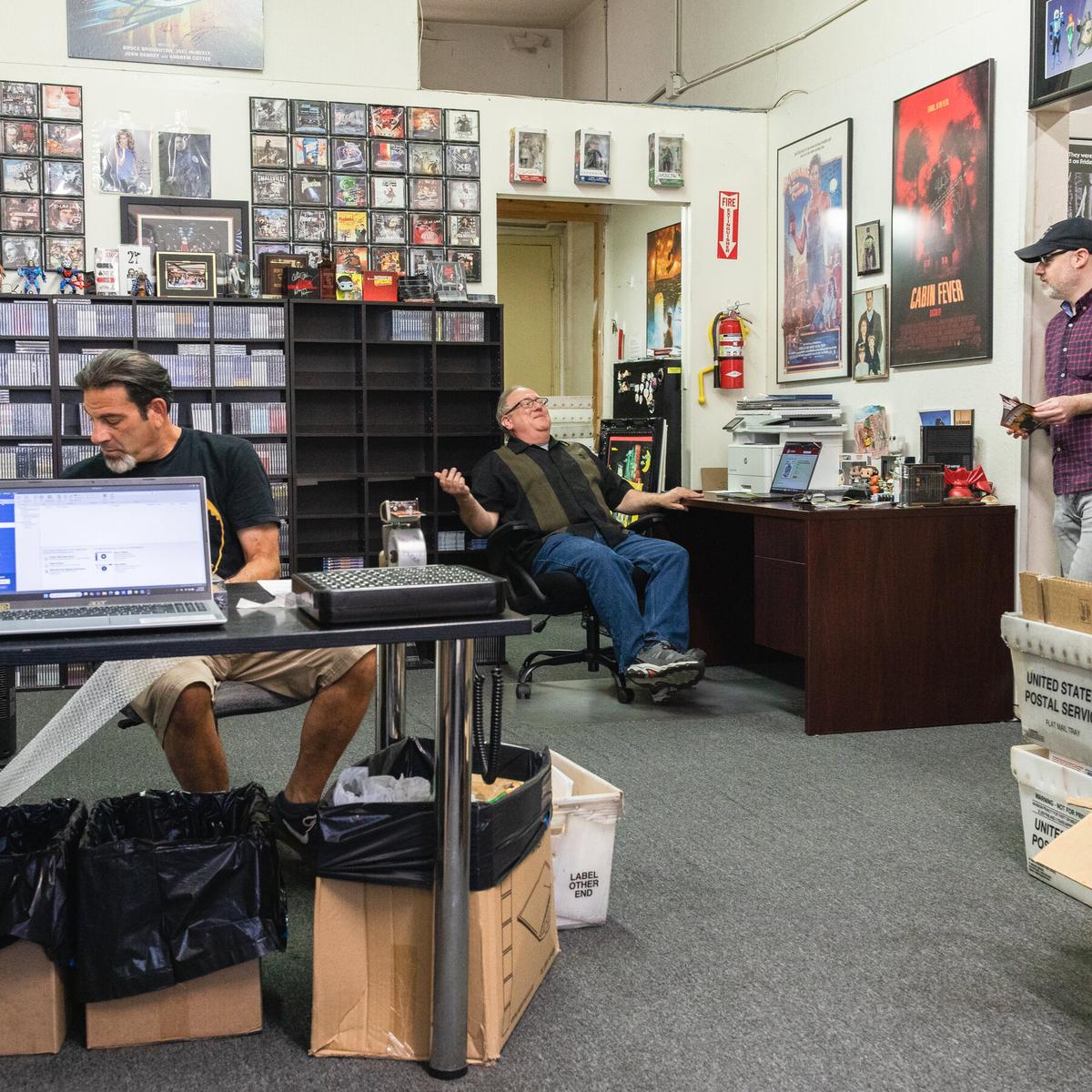
Lost Movie Music? On CD? La-La Land Is an Anomaly. (And a Success.)
Why It Matters
The rapid sell‑out demonstrates that collectors and streaming audiences will pay premium for previously unavailable scores, encouraging the industry to monetize archival assets. It also safeguards musical heritage that might otherwise disappear.
Key Takeaways
- •La‑La Land restores and releases obscure film scores from studio vaults
- •"Friday the 13th" six‑disc set sold out within days of announcement
- •Label’s exhaustive approach creates new revenue from forgotten music
- •Physical soundtrack releases meet demand from collectors and streaming platforms
- •Archival preservation supports cultural history and expands music licensing opportunities
Pulse Analysis
The market for physical soundtracks has surged alongside the broader vinyl revival, as collectors seek tangible connections to cinema history. Niche labels that can deliver high‑quality, meticulously curated releases fill a gap left by major studios, which often deem older scores commercially unviable. This demand creates a premium segment where limited‑edition CDs and vinyl command strong prices, attracting both audiophiles and nostalgia‑driven consumers.
La‑La Land Records exemplifies this model by combing through studio vaults, personal archives, and even basement recordings to assemble comprehensive collections. Its "Friday the 13th" six‑disc set, featuring minute‑long cues and previously unheard fragments, sold out within days, underscoring the appetite for exhaustive documentation. The label’s restoration process not only improves audio fidelity but also provides composers like Harry Manfredini with renewed exposure, potentially opening doors for new licensing deals and royalty streams.
The success of La‑La Land signals broader industry implications. As more legacy scores surface, streaming platforms can enrich their catalogs, while film studios gain ancillary revenue from catalog exploitation. Moreover, the preservation of these works safeguards cultural heritage, ensuring that iconic horror motifs and orchestral cues remain accessible for future generations. Investors and media companies should watch this niche, as it blends archival stewardship with profitable, high‑margin product offerings.
Lost Movie Music? On CD? La-La Land Is an Anomaly. (And a Success.)
Comments
Want to join the conversation?
Loading comments...