Magna Charta: A New Generation Of Arena Headliners Break Through
•February 23, 2026
0
Why It Matters
The shift signals a decentralization of Europe’s live‑music market, forcing promoters to reconsider tour routing beyond traditional hubs like London and boosting venue investment in technology and fan experience.
Key Takeaways
- •Movistar Arena leads Europe with $155M gross.
- •Co-op Live rivals London, hosts Brit Awards.
- •Urban and Latin genres drive arena ticket sales.
- •New headliners increase bookings through 2028.
- •Production complexity raises venue infrastructure demands.
Pulse Analysis
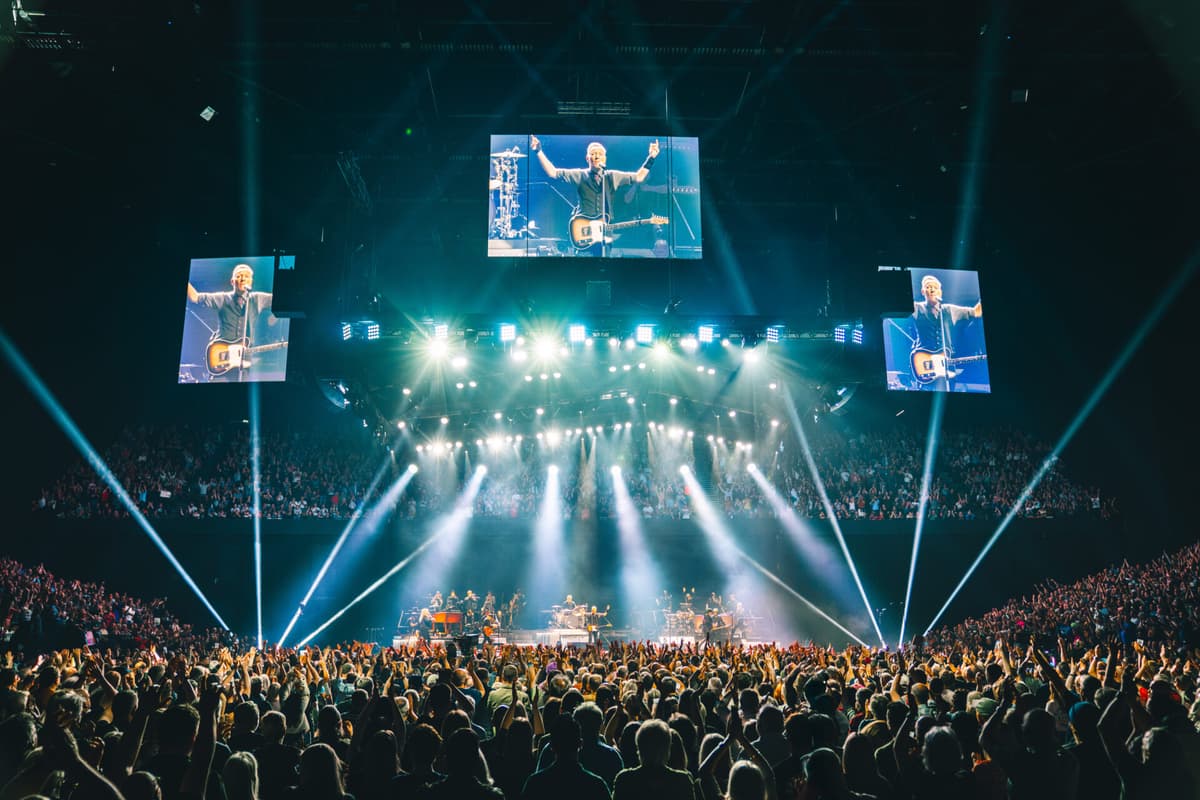
The latest Magna Charta data underscores a rapid rebalancing of Europe’s arena ecosystem. Madrid’s Movistar Arena and Manchester’s Co‑op Live have eclipsed traditional powerhouses, each generating close to $150 million in ticket revenue and attracting marquee acts from Bruce Springsteen to Radiohead. This performance surge reflects not only larger capacities but also strategic programming that leverages genre trends and limited‑run residencies, reshaping how promoters allocate dates across the continent.
Urban and Latin music have emerged as the dominant ticket‑selling forces, a pattern highlighted by Dani Martin’s ten‑night stint in Madrid and multiple Latin‑focused tours across the region. Simultaneously, a wave of new‑generation headliners—artists who vaulted to arena status via social media—are extending booking windows through 2028, prompting venues to secure longer‑term contracts. While this influx fuels revenue growth, executives warn that oversupply and insufficient professional support could shorten artist lifespans, emphasizing the need for quality over quantity.
Production demands are escalating as shows become more technically sophisticated, placing pressure on venue infrastructure, logistics, and safety protocols. Facilities like Wiener Stadthalle and Hallenstadion Zürich are investing in advanced staging and audience‑experience technologies to meet rising expectations. This evolution not only enhances fan satisfaction but also positions venues as future‑ready partners for touring giants, ensuring they remain competitive as the live‑music market continues its upward trajectory.
Magna Charta: A New Generation Of Arena Headliners Break Through
0
Comments
Want to join the conversation?
Loading comments...