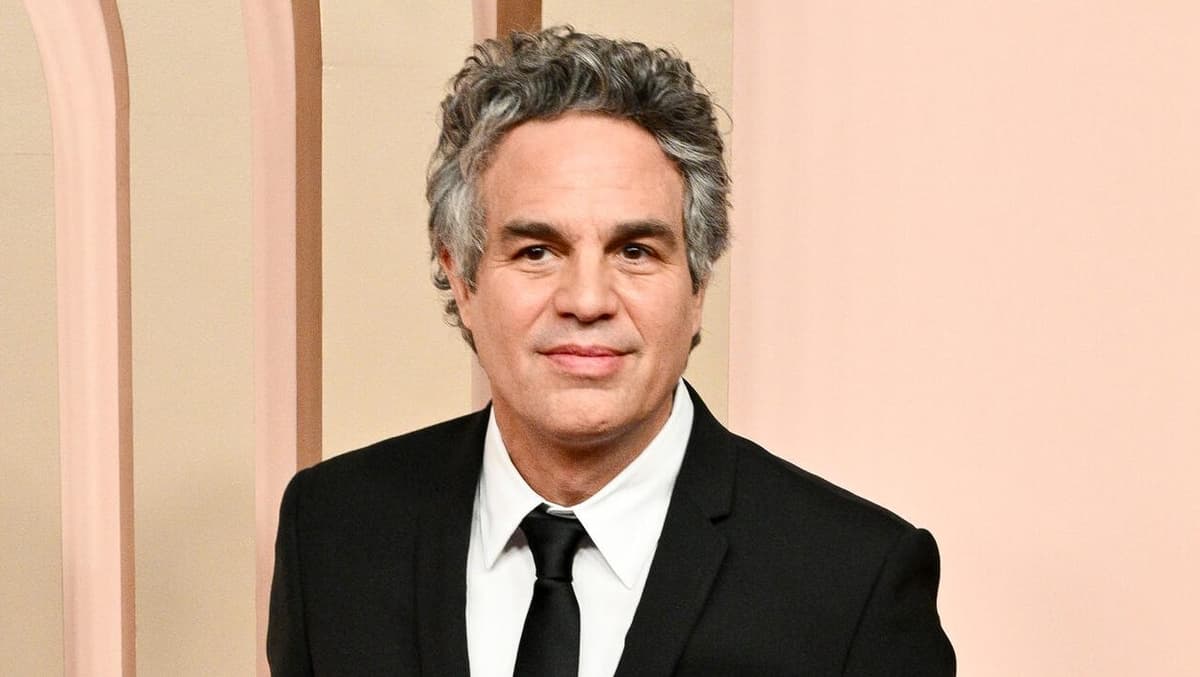
Mark Ruffalo Assumes “I’m Already On A List” For Opposing Paramount-Warner Bros Merger: “Vindictive Motherf*ckers”
Companies Mentioned
Why It Matters
The merger would give a single owner control of major broadcast and cable news outlets, reshaping the U.S. media landscape and threatening journalistic independence and the creative ecosystem.
Key Takeaways
- •Ruffalo’s anti‑merger letter nears 5,000 signatures
- •Paramount’s $31‑per‑share offer prompted Netflix to pull its bid
- •Ellisons would control both CBS and CNN if deal closes
- •Critics cite past Fox‑Disney merger’s job and content losses
Pulse Analysis
The proposed Paramount‑Warner Bros. Discovery merger represents one of the most consequential media consolidations in recent memory. By uniting a legacy studio with a dominant broadcast network and a leading cable news brand, the deal would place roughly 30 percent of U.S. television viewership under the control of billionaire Larry Ellison’s family. Antitrust experts warn that such concentration can diminish competition, raise advertising rates, and limit the diversity of voices in both entertainment and newsrooms. The backlash, amplified by high‑profile advocates like Mark Ruffalo, reflects growing concern that corporate power could outweigh public interest in shaping cultural narratives.
Ruffalo’s activism taps into a broader trend of celebrity involvement in policy debates, especially around antitrust enforcement. His petition, organized by the Committee for the First Amendment and allied industry groups, has rallied thousands of creators, journalists, and union members who fear that a merged entity could dictate content pipelines, suppress dissenting reporting, and marginalize independent productions. The reference to the Fox‑Disney merger serves as a cautionary tale: analysts observed a wave of layoffs, project cancellations, and reduced bargaining power for talent after that consolidation, reinforcing the argument that scale does not always translate to creative vitality.
Netflix’s decision to abandon its bid after Paramount’s $31‑per‑share offer highlights the financial pressures shaping the deal. The streaming giant had previously committed $82.7 billion to a partnership with Warner Bros., but the hostile nature of the takeover and the potential for a dominant, vertically integrated competitor prompted a strategic retreat. This move not only signals confidence in the merger’s inevitability but also underscores how high‑stakes negotiations can reshape market dynamics, influencing content licensing, distribution strategies, and the future of streaming competition. Stakeholders across the industry will be watching closely as regulators weigh the broader implications for competition, consumer choice, and the health of the creative economy.
Mark Ruffalo Assumes “I’m Already On A List” For Opposing Paramount-Warner Bros Merger: “Vindictive Motherf*ckers”
Comments
Want to join the conversation?
Loading comments...