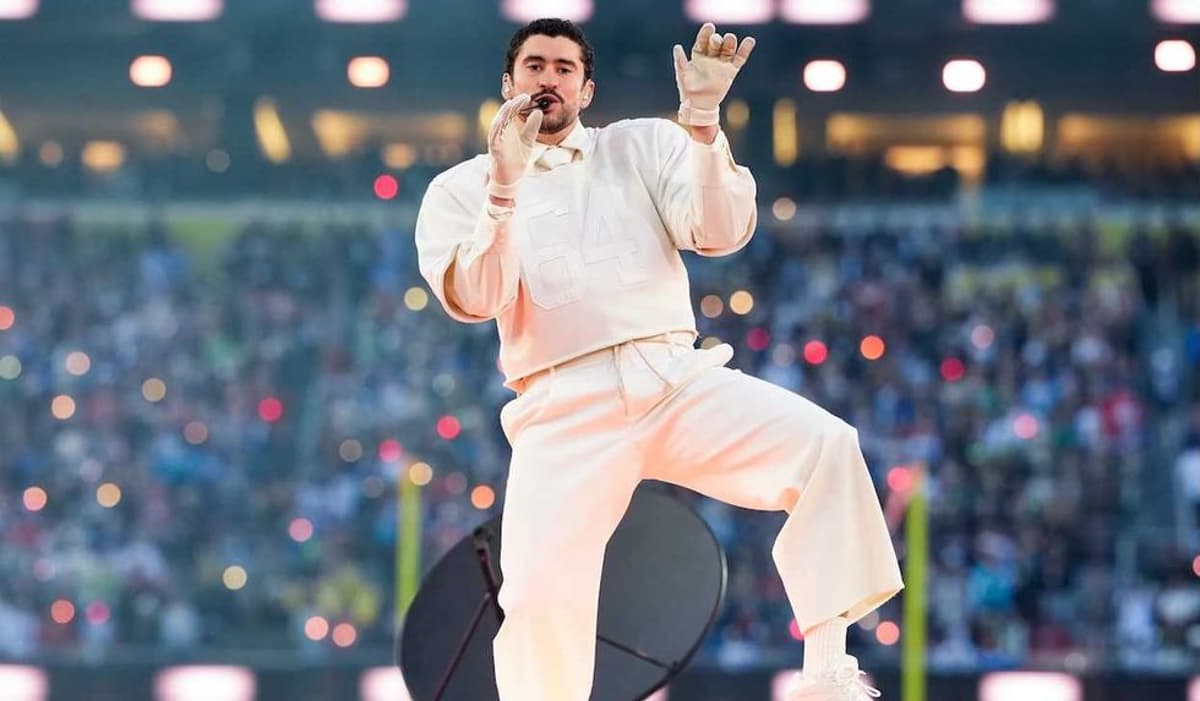
More Than Just a Party: Decoding the Symbolism of Bad Bunny’s Super Bowl LX Halftime Show
•February 9, 2026
0
Why It Matters
The show amplifies Latin American cultural influence within a global sports platform, prompting brands and networks to prioritize authentic Hispanic storytelling. It also spotlights Puerto Rico’s socio‑political challenges to a worldwide audience.
Key Takeaways
- •Bad Bunny first solo Spanish-language Super Bowl headliner.
- •Jíbaro imagery highlighted Puerto Rico’s agricultural heritage.
- •Exploding poles referenced Hurricane Maria power grid failures.
- •“Together We Are America” affirmed Latino inclusion.
- •Guest lineup linked diaspora resistance and cultural pride.
Pulse Analysis
Bad Bunny’s Super Bowl LV halftime performance reached more than 100 million viewers, instantly turning the sport’s most watched commercial break into a cultural showcase. By headlining as the first solo Spanish‑language act, the Puerto Rican star signaled a watershed moment for Latin music in mainstream American entertainment. The production blended high‑energy reggaeton with traditional island rhythms, creating a party atmosphere that resonated far beyond the stadium. Industry analysts see the show as a strategic pivot, encouraging brands to tap into the rapidly growing Hispanic consumer segment.
Every visual cue carried political weight. Dancers in jíbaro attire and straw pava hats evoked Puerto Rico’s agrarian roots, while performers scaling utility poles that erupted in sparks referenced the island’s fragile power grid after Hurricane Maria. The explosive “El Apagón” segment turned a stage spectacle into a critique of governmental neglect. A miniature “casita” set recreated neighborhood house parties, reinforcing community resilience. On‑screen slogans such as “Together We Are America” and “The only thing more powerful than hate is love” framed the performance as a declaration of Latino pride and solidarity.
The guest roster deepened the narrative, linking Bad Bunny’s rise to earlier Puerto Rican icons like Ricky Martin and diaspora figures such as Tonita of Brooklyn’s Caribbean Social Club. Their appearances underscored a multigenerational resistance that transcends music, positioning the halftime show as a platform for cultural diplomacy. Brands that aligned with the performance gained visibility among a bilingual, socially conscious audience, while critics noted the subtle yet potent critique of U.S. immigration policies. As networks plan future spectacles, the show sets a precedent for integrating authentic cultural storytelling with mass‑market entertainment.
More Than Just a Party: Decoding the Symbolism of Bad Bunny’s Super Bowl LX Halftime Show
0
Comments
Want to join the conversation?
Loading comments...