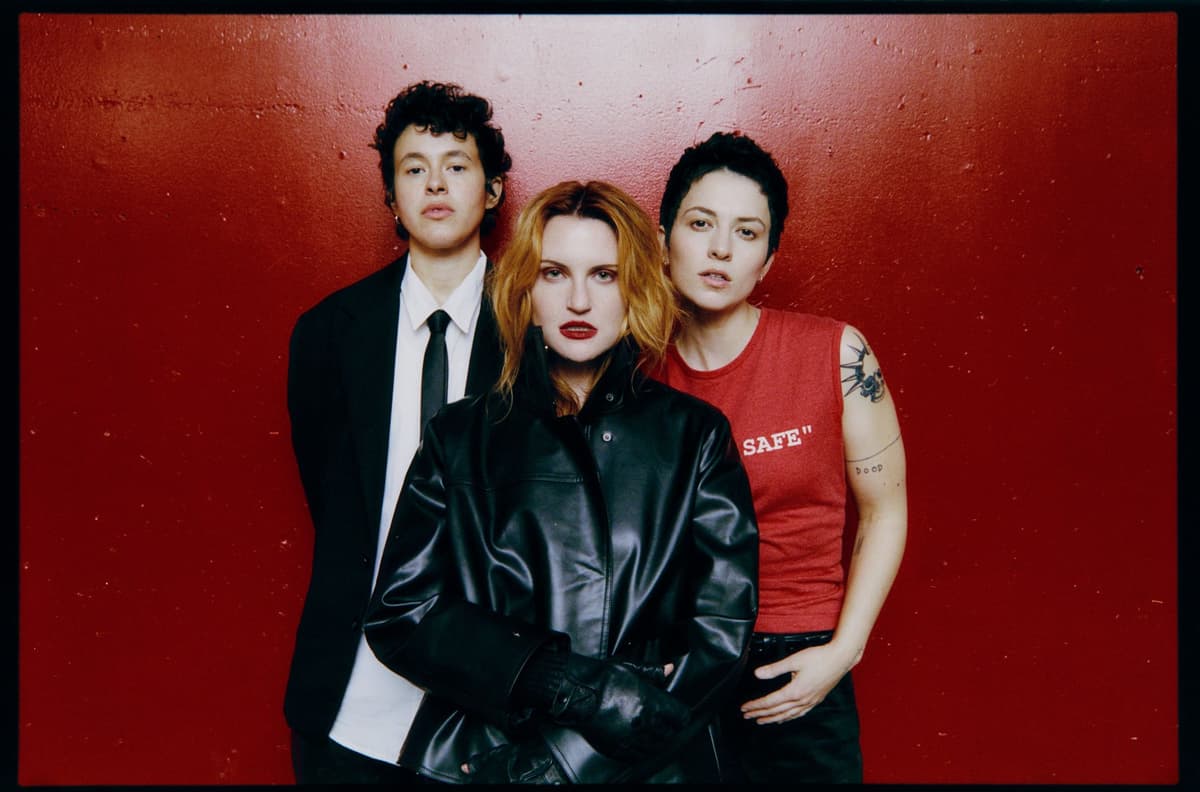
Muna Announce First Album in Four Years, Share Song
Why It Matters
The album marks Muna’s first full‑length in four years, re‑energizing the indie‑pop market and reinforcing queer representation in mainstream music. Its thematic focus on emotional risk could influence upcoming artists to explore vulnerability within dance music.
Key Takeaways
- •Muna's fourth album releases May 8, 2026
- •Lead single "Dancing on the Wall" released with video
- •Album explores emotional risk, collective release themes
- •Produced by Naomi McPherson, follows 2022 self‑titled album
- •Tracklist features 13 songs, includes queer pop anthems
Pulse Analysis
Muna’s return with *Dancing on the Wall* arrives at a moment when indie‑pop is experiencing a resurgence on streaming platforms, driven by listeners craving both danceable beats and lyrical depth. By partnering with Saddest Factory and Secretly Group—labels known for nurturing genre‑bending acts—the trio secures distribution channels that prioritize curated playlists and targeted marketing, amplifying their reach beyond niche queer circles into broader pop audiences. This strategic alignment reflects a growing industry trend where independent artists leverage boutique label expertise to compete with major‑label releases.
The album’s thematic core—emotional risk and collective release—mirrors a cultural shift toward openness about mental health and queer identity in popular music. Songs like the title track blend euphoric synths with introspective lyricism, offering listeners a cathartic space that feels both personal and communal. Critics have noted that such duality resonates with younger demographics who value authenticity alongside high‑energy production, positioning Muna as a bellwether for future pop acts that aim to balance vulnerability with club‑ready soundscapes.
From a business perspective, *Dancing on the Wall* is poised to generate multiple revenue streams: traditional album sales, sync licensing opportunities, and extensive touring prospects as live festivals rebound post‑pandemic. The 13‑track lineup provides ample material for single releases, each capable of sustaining streaming momentum across platforms like Spotify and Apple Music. Moreover, Muna’s established queer‑pop brand offers brands and advertisers a compelling partnership narrative, potentially unlocking sponsorships that align with inclusive marketing initiatives. Overall, the album not only expands Muna’s artistic catalog but also reinforces the commercial viability of emotionally resonant, dance‑floor‑centric indie pop.
Muna Announce First Album in Four Years, Share Song


Comments
Want to join the conversation?
Loading comments...