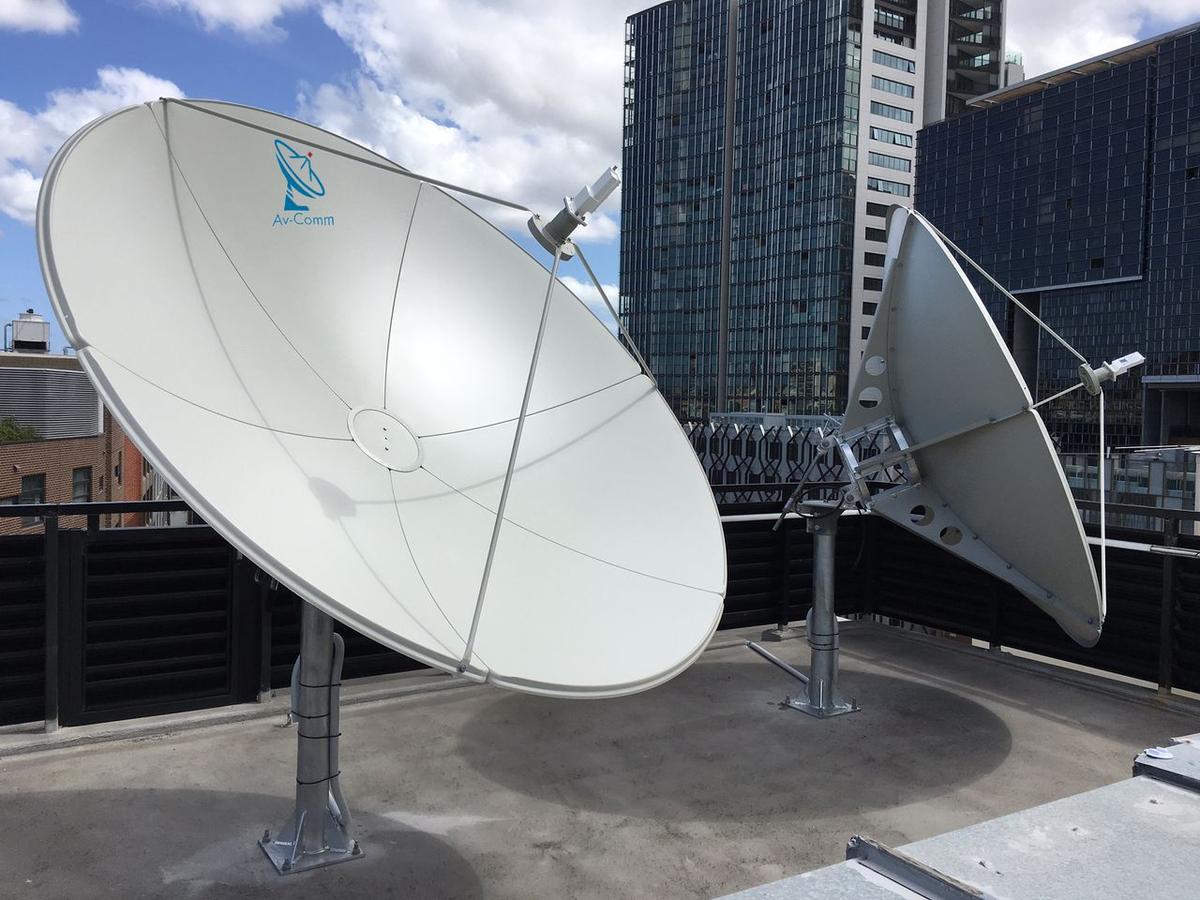
NAB Urges FCC to Tamp Down Reallocation Plans for Upper C-Band
•February 20, 2026
0
Why It Matters
Limiting the clearance protects the nation’s video distribution and emergency broadcast capabilities, while shaping a multi‑billion‑dollar spectrum auction that balances telecom revenue with public‑interest service continuity.
Key Takeaways
- •NAB urges FCC to cap upper C‑band clearing at 100 MHz.
- •FCC proposal could auction up to 180 MHz, generating billions.
- •Broadcasters claim alternatives lack C‑band’s reliability for rural coverage.
- •Repacking would cause “Tetris‑like” compression, risking service disruption.
- •NAB seeks direct‑pay reimbursement to avoid costly front‑loading.
Pulse Analysis
The Federal Communications Commission faces mounting pressure to free additional spectrum in the upper C‑band, a 3.98‑4.2 GHz slice traditionally reserved for satellite earth stations that deliver television and radio signals nationwide. While the Communications Act mandates a minimum 100 MHz clearance by July 2027, the FCC’s recent Notice of Proposed Rulemaking suggests auctioning as much as 180 MHz, a move that could raise several billion dollars for the Treasury. Proponents argue that expanding wireless capacity will fuel 5G growth, yet the proposal collides with a legacy of spectrum repacking that began with the lower‑C‑band transition in 2020.
NAB’s filing underscores the technical fragility of compressing broadcast services into a tighter bandwidth. Engineers describe the process as a ‘Tetris‑like’ puzzle, where each channel must be reshaped without sacrificing signal integrity, especially for point‑to‑multipoint delivery in rural markets and live‑event feeds. Alternative platforms such as fiber, IP, or Ku‑band lack universal reach or are vulnerable to weather‑related attenuation, making them unsuitable substitutes for the proven reliability of C‑band. Consequently, broadcasters warn that any clearance beyond the statutory floor would jeopardize emergency alert dissemination and public‑interest programming.
The financial architecture of the transition is equally contentious. In the lower‑C‑band migration, incumbent operators fronted relocation costs and waited years for reimbursement, a model NAB deems unsustainable for a larger, faster rollout. The association is pushing for a direct‑pay or upfront reimbursement scheme funded by auction proceeds, which could streamline the repack and reduce market disruption. If the FCC adheres to the 100 MHz limit and adopts a more favorable compensation framework, it may preserve broadcast continuity while still unlocking valuable spectrum for telecom carriers, balancing revenue goals with public‑service obligations.
NAB Urges FCC to Tamp Down Reallocation Plans for Upper C-Band
0
Comments
Want to join the conversation?
Loading comments...