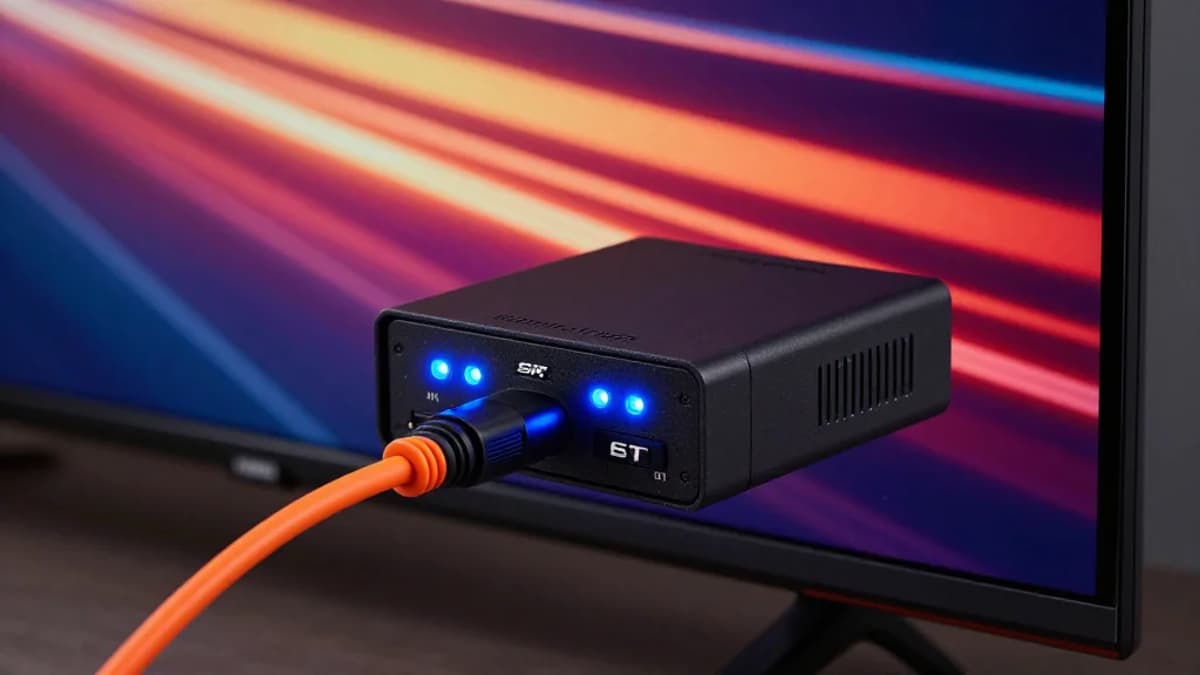
Official YouTube SRT Verification for Appear’s X Platform
•February 24, 2026
0
Why It Matters
Verified SRT streaming gives broadcasters a trusted, low‑latency route to YouTube, enhancing audience engagement and operational resilience. It also signals broader industry acceptance of hardware‑based IP contribution solutions.
Key Takeaways
- •YouTube verifies Appear’s X5, X10, X20 encoders.
- •SRT enables low‑latency, resilient live streaming.
- •Verification driven by major European broadcaster request.
- •Expands global reach for news, sports, events.
- •Strengthens Appear’s position in professional IP contribution.
Pulse Analysis
Secure Reliable Transport (SRT) has become the de‑facto protocol for high‑quality, low‑latency video delivery over unpredictable networks. By earning YouTube’s SRT verification, Appear demonstrates that its X5, X10 and X20 encoders meet stringent criteria for packet loss recovery, encryption and latency control. This endorsement not only validates the technical robustness of Appear’s hardware but also reassures content owners that their live feeds will arrive intact on the world’s largest video platform, reducing the need for costly redundancy measures.
For broadcasters, rights holders and live‑event producers, the verification translates into a streamlined workflow: a single‑button SRT push from Appear’s X Platform to YouTube Live, bypassing third‑party transcoders and minimizing latency. The capability is especially valuable for fast‑moving newsrooms, real‑time sports coverage, and interactive events where seconds matter. By meeting a major European broadcaster’s demand, Appear positions its solution as a plug‑and‑play alternative to traditional contribution links, enabling faster deployment and broader geographic coverage without sacrificing picture quality.
The partnership also signals a shift in the streaming ecosystem toward hardware‑centric, IP‑based contribution models. As more platforms demand SRT compliance, vendors that secure verification will likely capture larger market share and drive standards adoption. Appear’s success may encourage other encoder manufacturers to pursue similar certifications, fostering a more interoperable and resilient live‑streaming landscape. In the longer term, this could accelerate the migration of premium live content from legacy satellite or SDI infrastructures to flexible, cloud‑ready workflows, reshaping how audiences consume real‑time media.
Official YouTube SRT verification for Appear’s X Platform
0
Comments
Want to join the conversation?
Loading comments...