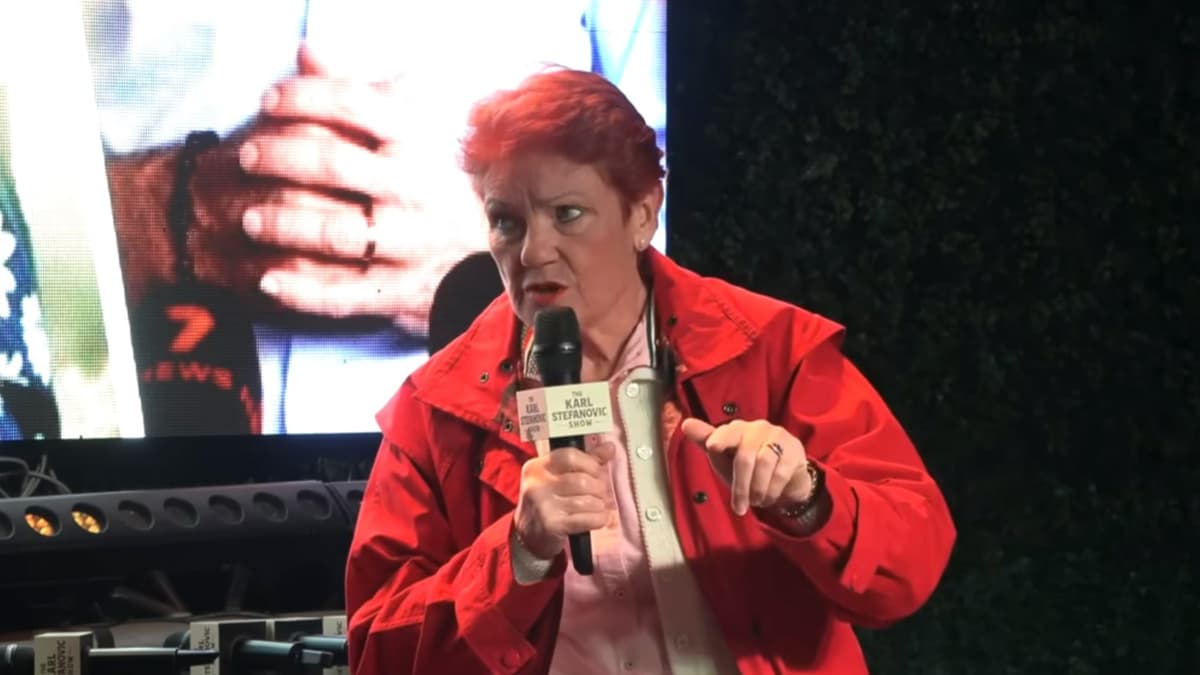
One Nation Policy to Scrap SBS Funding Entirely, Push ABC Into Regional-Only Role
Companies Mentioned
Why It Matters
Removing public funding from Australia’s two largest broadcasters could dramatically alter the country’s media ecosystem, limiting multicultural and regional news while reshaping political influence over information.
Key Takeaways
- •One Nation seeks to end $360 m AUD SBS public funding
- •ABC would retain only regional services, losing metro funding
- •Party’s poll support rose to 32% after budget and by‑election
- •SBS and ABC together receive roughly $1.5 bn AUD annually
- •No transition plan disclosed, raising staff and service uncertainty
Pulse Analysis
Australia’s public broadcasting model has long been anchored by two pillars: SBS, the multicultural service that delivers multilingual news and entertainment, and the ABC, the nation’s flagship news and cultural outlet. Together they consume roughly $1.5 billion AUD (about $1.1 billion USD) in taxpayer dollars each year, with SBS relying on two‑thirds of its $360 million AUD budget from the government and the ABC drawing over $1.2 billion AUD for nationwide operations. Their charters impose advertising limits and mandate diverse content, positioning them as essential public goods in a media landscape increasingly dominated by global streaming platforms.
One Nation’s proposal to defund SBS entirely and shrink the ABC to a regional‑only role reflects a broader populist push to reduce perceived elite influence and re‑channel funding toward market‑based solutions. Party leader Pauline Hanson argues that SBS’s original mandate—providing overseas content in a pre‑internet era—is obsolete, and that a subscription‑driven ABC would boost accountability while saving taxpayers “hundreds of millions of dollars.” The policy gains traction as the party’s primary vote surged to 32% after a favorable budget and a by‑election victory, signaling growing voter appetite for fiscal conservatism and media reform, even as details on how commercial models would replace public services remain vague.
If implemented, the reforms could trigger a cascade of industry shifts. A fully commercial SBS would likely increase advertising hours, potentially diluting its multicultural focus and alienating niche audiences. The ABC’s retreat from metropolitan markets could leave a vacuum in national news coverage, prompting private broadcasters or digital platforms to fill the gap, but at the risk of reduced editorial independence. Stakeholders—advertisers, content creators, and regional communities—should monitor legislative developments, potential litigation over charter breaches, and the broader debate on the role of public media in preserving democratic discourse amid rising political polarization.
One Nation policy to scrap SBS funding entirely, push ABC into regional-only role
Comments
Want to join the conversation?
Loading comments...