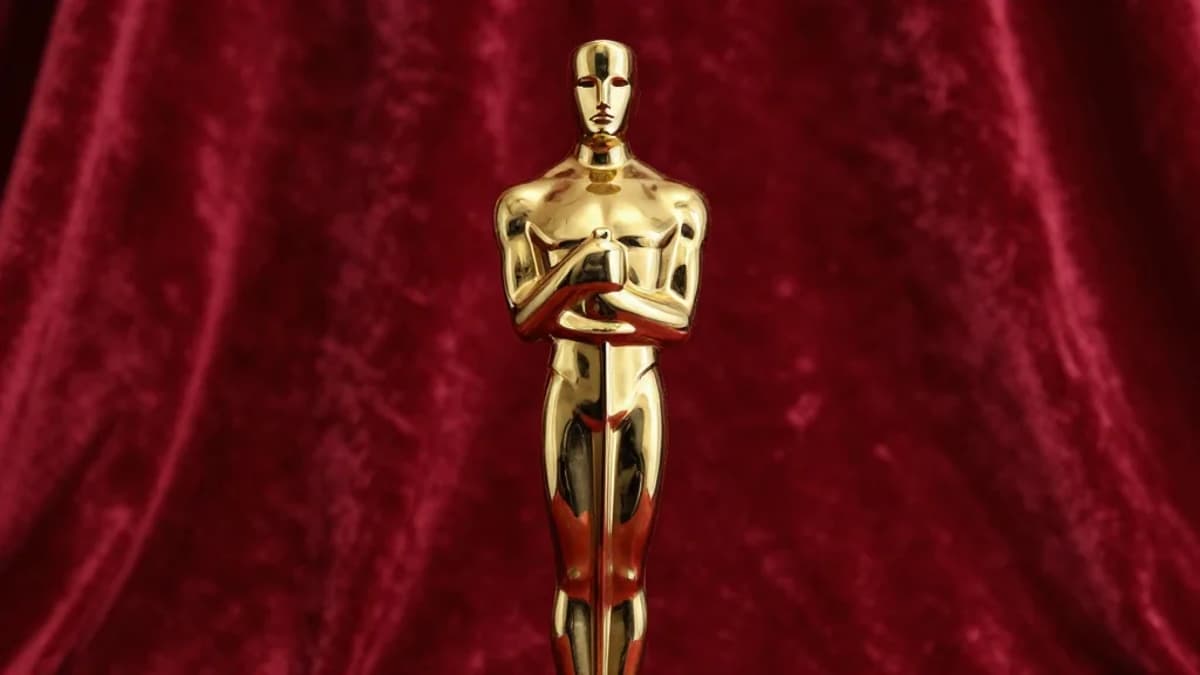
The unprecedented influx of first‑time nominees underscored Hollywood’s evolving recognition of diverse storytelling, and the wins propelled the recipients into lasting industry influence.
The 2006 Academy Awards marked a turning point in Hollywood’s award culture, as a record number of first‑time nominees surged onto the stage. This influx signaled studios’ growing willingness to back unconventional narratives and emerging talent, challenging the long‑standing dominance of veteran actors. By spotlighting fresh faces, the ceremony not only refreshed the Oscars’ image but also set a precedent for future award seasons to prioritize originality over legacy.
Philip Seymour Hoffman’s Best Actor victory for “Capote” exemplifies how a singular, transformative performance can redefine a career. Though he earned three additional nominations, the 2006 win remained his only Oscar, cementing his reputation as a chameleon of the craft. The emotional acceptance speech, centered on his mother’s sacrifices, resonated with audiences and highlighted the personal narratives that often accompany artistic achievement. Hoffman’s post‑win projects, including “Charlie Wilson’s War” and “The Master,” benefited from heightened visibility, illustrating the commercial boost that an Oscar can provide.
Beyond Hoffman, the night produced multiple historic milestones: Reese Witherspoon’s breakthrough Best Actress win, Rachel Weisz’s supporting triumph, and George Clooney’s unprecedented dual nominations for acting and directing. These outcomes underscored a broader industry shift toward recognizing versatile talent across categories. For studios and talent agencies, the 2006 Oscars serve as a case study in leveraging award momentum to negotiate better deals, expand global distribution, and shape brand narratives. As the film market continues to fragment, the lesson remains clear—fresh, compelling storytelling paired with strategic award positioning can propel both careers and box‑office returns.
Hollywood loves shiny new things, and when it comes to the Academy Awards each year, what’s new is often notable — and worthy of shiny gold‑plated statues. That was certainly the case for the acting categories 20 years ago at the 78th Oscars, held at the Kodak Theatre in Los Angeles on March 5, 2006. That night, 14 of the 20 acting nominees had never been nominated before, and all four acting winners were first‑time nominees.
Reese Witherspoon accepts the leading actress award for “Walk the Line.”
Photo credit: Al Seib / Los Angeles Times
After this night, Philip Seymour Hoffman would go on to receive three more Oscar nominations, but in portraying the eccentric writer Truman Capote in Capote, he received his first bid at the prize — and ultimately, his only win.
“I’m overwhelmed, I’m really overwhelmed,” he told the audience after accepting the leading actor Oscar from Hilary Swank. Offering his thanks to friends and co‑workers, he singled out his mother, Marilyn O’Connor, who he brought to the event. “I’d like if you see her tonight to congratulate her, because she brought up four kids alone and she deserves a congratulations for that,” he said. “She took me to my first play and she stayed up with me and watched the NCAA Final Four, and my passions, her passions became my passions.”
Hoffman was up against strong competition in Terrence Howard (Hustle & Flow), Heath Ledger (Brokeback Mountain), Joaquin Phoenix (Walk the Line) and David Strathairn (Good Night, and Good Luck). Had he won, Ledger would have been the youngest winner in the category, at 26. Sadly, Ledger died in 2008 and Hoffman in 2014.
Meanwhile, Reese Witherspoon triumphed for playing June Carter, the talented, long‑suffering wife of Johnny Cash, in Walk the Line. It was Witherspoon’s first and so far only Oscar win; she was nominated again in 2015 for Wild.
Like Hoffman, Witherspoon singled out a beloved family member in her speech — her grandmother — after accepting the leading actress award from Jamie Foxx.
“She taught me how to be a real woman, to have strength and self‑respect, and to never give those things away,” Witherspoon said. “And those are a lot of qualities I saw in June Carter. And people used to ask June how she was doing, and she used to say: ‘I’m just trying to matter.’ And I know what she means.”
Witherspoon’s competition included four other well‑known names: Judi Dench (Mrs. Henderson Presents), Felicity Huffman (Transamerica), Keira Knightley (Pride & Prejudice) and Charlize Theron (North Country). Dench was the oldest leading actress nominee (then 71) since Jessica Tandy (then 80) was nominated for Driving Miss Daisy in 1990; Knightley (then 20) would have been the youngest leading actress winner if she’d won.
George Clooney, supporting actor Oscar winner for “Syriana.”
Photo credit: Mark J. Terrill / Associated Press
At the 2006 Oscars, supporting actor winner George Clooney (Syriana) was also nominated for directing and co‑writing Good Night, and Good Luck.
“All right, so I’m not winning [best] director,” he quipped, accepting the statue from Nicole Kidman after winning for Syriana. “It’s a funny thing about winning an Academy Award, this will always be sort of synonymous with your name from here on in. It will be: Oscar winner George Clooney, Sexiest Man Alive 1997, Batman, died today in a freak accident....”
Thanks to the 2006 nominations, Clooney became the first person to be nominated for acting and directing separate films in the same year. He was also only the fifth person to be nominated for acting, directing and writing in the same year. He won a second Oscar in 2013 for producing Argo with Grant Heslov and Ben Affleck, which won Best Picture.
As with Clooney, The Constant Gardener’s Rachel Weisz won her Academy Award for appearing in a spy thriller, with both stories based on real events. Weisz went on to receive another nomination in 2019 for The Favourite.
Weisz spoke of Gardener source‑material author John le Carré in her speech, noting on stage that he “wrote this unflinching, angry story.” After accepting the award from Morgan Freeman, she added, “[Le Carré] really paid tribute to the people who are willing to risk their own lives to fight injustice, and they’re greater men and women than I.”
Weisz was competing against Amy Adams (Junebug), Catherine Keener (Capote), Frances McDormand (North Country) and Michelle Williams (Brokeback Mountain).
Comments
Want to join the conversation?
Loading comments...